
The journey from the Pacific Coast to the Atlantic seaboard is the quintessential American odyssey. Spanning the breadth of the United States, the distance between Los Angeles and New York City is more than just a measurement of miles; it is a transition across time zones, landscapes, and cultural identities. For travelers planning this epic cross-country transit, understanding the logistics of distance is the first step in crafting an unforgettable experience.
Navigating the Transcontinental Distance
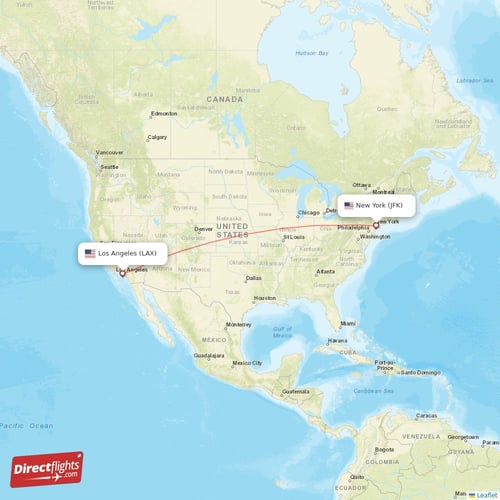
The physical distance between Los Angeles and New York City is approximately 2,450 miles when measured as a direct flight path, often referred to as “as the crow flies.” However, for those traversing by road, the distance expands significantly.

Driving Across the Heartland
If you choose to drive, you are looking at a journey of roughly 2,800 to 3,000 miles, depending on the route. The most direct path generally involves taking Interstate 80 or Interstate 40. This trek typically requires 40 to 45 hours of pure driving time. In practical terms, most travelers spread this journey over five to seven days to allow for proper rest and exploration of the diverse terrain that characterizes the American landscape.
The Speed of Air Travel
For those prioritizing efficiency, air travel is the standard choice. A non-stop flight typically takes between five and six hours. While heading eastward often benefits from favorable tailwinds that can shave minutes off the flight time, the return journey westward against the jet stream is usually slightly longer. Travelers flying from Los Angeles International Airport to John F. Kennedy International Airport will cross three time zones, meaning you effectively lose three hours of your day when moving toward the East Coast.
The Most Iconic Driving Routes
Choosing how to cover the distance between these two titans of industry and culture is half the fun. Depending on your personal interests, you can tailor your route to focus on natural wonders, historical significance, or culinary adventures.
The Historic Charm of Route 66
While the original Route 66 no longer exists as a continuous, functional highway, segments of it remain a pilgrimage for road-trip enthusiasts. Following the “Mother Road” allows you to stop in nostalgic towns and witness the kitschy Americana that defined mid-century travel. This path winds through the Southwest, offering stunning views of Arizona and New Mexico before heading toward the Midwest.
The Northern Route: Majesty of the Mountains
Taking Interstate 80 provides a northern perspective, taking drivers through the rugged beauty of the Rocky Mountains and the expansive plains of Nebraska. This route is particularly popular for those who want to witness the changing foliage of the Great Lakes region as they approach the bustling metropolitan sprawl of the Northeast.
Strategic Planning for the Long Haul
When calculating how far you are traveling, consider the physiological and logistical requirements of such a massive displacement. Whether by rail, air, or personal vehicle, the “distance” is compounded by the change in environment and the demands of travel.
Considering Rail Travel
For the patient traveler, Amtrak offers a romanticized version of the cross-country trip. By utilizing routes like the Southwest Chief or the Lake Shore Limited, you can traverse the distance in about three to four days. While this is the longest method of transit, it eliminates the stress of navigating highway traffic and offers a unique perspective on the American West.
Time Management and Fatigue
If you are driving, the most critical factor is not the distance itself, but the safety of the driver. Fatigued driving is a significant risk on long-distance hauls. It is highly recommended to plan your itinerary with designated stopovers in major hubs like Las Vegas, Denver, Chicago, or Cleveland. Each city provides a distinct cultural shift, allowing you to break the psychological weight of the 3,000-mile journey into manageable segments.
Cultural Transitions: From Hollywood to Broadway
The journey from Los Angeles to New York City is a study in contrasts. You begin in a sprawling, car-centric metropolis defined by the entertainment industry, Mediterranean climate, and a relaxed, outdoor-focused lifestyle. As you move across the Great Plains, you witness the agricultural heart of the nation, eventually culminating in the vertical, transit-oriented energy of the East Coast.
Embracing the Change
The distance between the two cities reflects the diversity of the American experience. In California, your day might start with a hike in the Santa Monica Mountains and end at a beachside bistro. In New York, your day might involve navigating the Subway to see a matinee show on Broadway or grabbing a slice of pizza in Brooklyn.

Tips for a Seamless Transition
- Hydration and Nutrition: Especially when flying, the change in pressure and the extended duration can lead to dehydration. Bring a reusable water bottle and opt for light meals.
- Time Zone Adjustment: Prepare for the “jet lag” by adjusting your sleep schedule slightly before your departure. If moving east, try to go to bed an hour earlier each night for three nights prior to your trip.
- Flexibility: When driving across the United States, allow for extra time. Weather in the Midwest or traffic congestion near major metropolitan areas like Philadelphia can easily add hours to your estimated arrival time.
Ultimately, the distance between Los Angeles and New York City serves as a bridge between two of the most influential urban centers in the world. Whether you choose to fly over the vast geography in a matter of hours or take your time exploring the highways that stitch the country together, the experience of connecting the Pacific Ocean to the Atlantic Ocean is a journey that every traveler should undertake at least once. By planning accordingly and respecting the sheer scale of the journey, you ensure that the miles between these cities become not just a measurement, but a collection of memories.
LifeOutOfTheBox is a participant in the Amazon Services LLC Associates Program, an affiliate advertising program designed to provide a means for sites to earn advertising fees by advertising and linking to Amazon.com. Amazon, the Amazon logo, AmazonSupply, and the AmazonSupply logo are trademarks of Amazon.com, Inc. or its affiliates. As an Amazon Associate we earn affiliate commissions from qualifying purchases.