
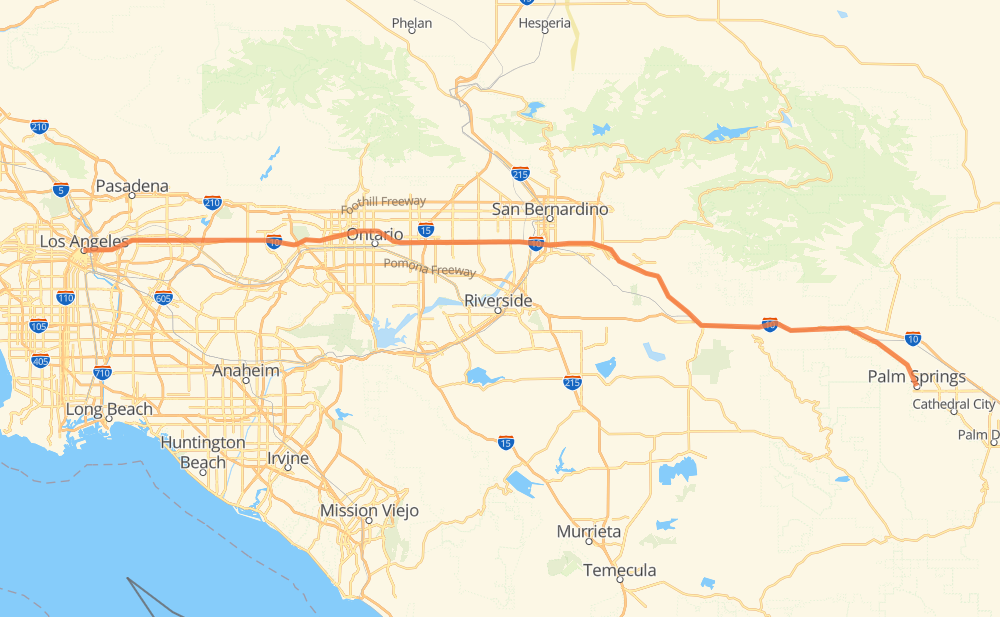
The transition from the bustling, coastal energy of Los Angeles to the serene, sun-drenched landscapes of the Coachella Valley is a quintessential California experience. For many travelers, Palm Desert serves as the ultimate retreat from the urban grind of Southern California. Understanding the distance and the nature of this journey is essential for planning a seamless escape. Generally, the distance between the two locations is approximately 130 to 140 miles, depending on your starting point within the sprawling Los Angeles County and which specific route you choose.
Navigating the Drive: Routes and Realities
The drive from Los Angeles to Palm Desert typically takes between two and three hours under normal traffic conditions. However, in the context of California transit, “normal” is a relative term heavily dictated by the time of day and the day of the week.

The Primary Corridor: Interstate 10
The most direct path is via Interstate 10. This major artery connects the heart of Los Angeles directly to the Inland Empire and continues into the desert. As you exit the dense metropolitan grid, the scenery shifts from suburban sprawl to the rugged beauty of the San Gorgonio Pass.
Traffic Patterns and Timing
For those traveling on a Friday afternoon or a Sunday evening, the drive can extend significantly. The stretch passing through Riverside and San Bernardino is notoriously subject to heavy congestion. To ensure the most efficient travel time, experts suggest departing mid-morning or late at night. Avoiding the standard “rush hour” windows is the single most effective way to keep your journey within the two-hour mark.
Essential Stops Along the Way
While the goal is to reach the oasis of Palm Desert, the route itself offers unique opportunities to break up the drive. Whether you are seeking a quick caffeine fix, a cultural touchstone, or an architectural marvel, the corridor is peppered with interesting detours.
Cultural and Culinary Pitstops
Many travelers enjoy stopping in Beaumont or Banning for a quick meal. As you descend from the mountain passes toward Palm Springs, the topography changes dramatically. A slight detour into Cabazon allows for the famous sight of the Cabazon Dinosaurs, a quintessential piece of roadside Americana that has delighted travelers for decades.
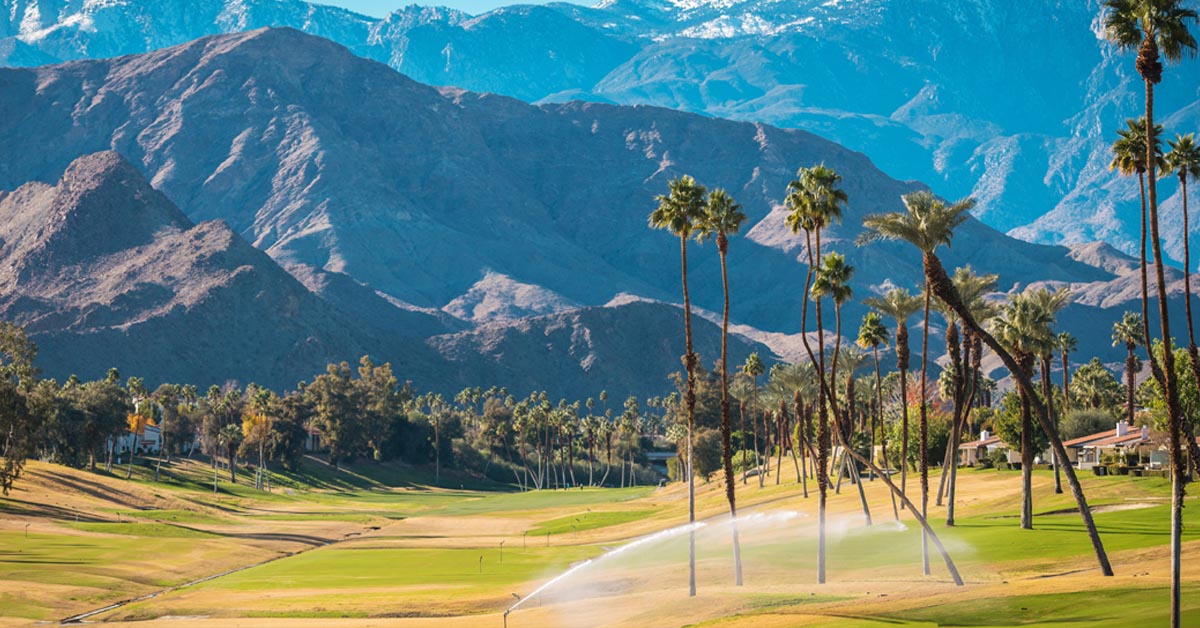
The Gateway to the Desert
As you approach the valley, you will pass through the outer edges of Cathedral City and Rancho Mirage. These municipalities are essentially contiguous with Palm Desert, meaning that once you exit the freeway, you are rarely more than twenty minutes away from your final destination.
Transportation Alternatives to Driving
While driving remains the most flexible option for visitors—especially those planning to explore Joshua Tree National Park or the surrounding golf courses—there are other ways to make the trip.
Rail and Bus Options
For those who prefer to avoid the stress of the freeway, taking a train or a bus can be a viable alternative. Amtrak provides service from Los Angeles Union Station to nearby hubs, though these services often require a final-leg connection via rideshare or local transit. While it adds time to the overall trip, it allows passengers to bypass the aggressive traffic of the Interstate 10 corridor.
Air Travel
For luxury travelers or those coming from further afield, Palm Springs International Airport is the preferred point of arrival. Located just a short drive from Palm Desert, this airport is served by several major carriers and offers a much more relaxed arrival experience than the massive Los Angeles International Airport.
Planning Your Desert Escape
When calculating how far Palm Desert is from Los Angeles, consider the intent of your visit. If your primary goal is relaxation at one of the world-class La Quinta Resort and Club properties or shopping along El Paseo, the drive is a small price to pay for the serenity that awaits.
Seasonal Considerations
It is important to remember that weather plays a role in the comfort of your journey. During the peak winter and spring seasons, the Coachella Valley experiences an influx of visitors, particularly during major events like the Coachella Valley Music and Arts Festival. During these times, traffic density increases, and hotel availability becomes more competitive.
Why the Distance Matters
The distance of roughly 130 miles acts as a psychological buffer between the frantic pace of the California coast and the restorative quiet of the desert. Whether you are traveling for a weekend or a month-long residency, understanding the geography helps set the tone for your trip. By planning your departure strategically and anticipating the shifts in traffic, the transition from the city to the palms becomes an enjoyable part of your itinerary rather than a hurdle to overcome.
In summary, while the physical distance is relatively short, the journey represents a complete shift in lifestyle. From the ocean breezes of Santa Monica to the arid, golden sunsets of the desert, the path between these two icons of West Coast living offers a window into the diverse beauty of the region. Whether you take the scenic route or stick to the highway, the destination is consistently worth the effort, providing a quintessential American getaway.
LifeOutOfTheBox is a participant in the Amazon Services LLC Associates Program, an affiliate advertising program designed to provide a means for sites to earn advertising fees by advertising and linking to Amazon.com. Amazon, the Amazon logo, AmazonSupply, and the AmazonSupply logo are trademarks of Amazon.com, Inc. or its affiliates. As an Amazon Associate we earn affiliate commissions from qualifying purchases.