
The journey between Thousand Oaks and Los Angeles is a classic Southern California transit experience. Whether you are a local commuter, a business traveler, or a tourist looking to explore the suburban charm of the Conejo Valley after visiting the bustling metropolis of the City of Angels, understanding the logistics of this trip is essential. Geographically, these two locations are separated by roughly 40 to 45 miles, but as any seasoned Californian knows, distance is measured more accurately in minutes than in miles.
Understanding the Geographical Distance and Transit Time
While the physical distance between Thousand Oaks and Downtown Los Angeles is relatively modest, the transit time varies wildly based on the time of day, the specific route taken, and the notoriously unpredictable Southern California traffic.

The Usual Commute
In optimal conditions—often occurring late at night or during the early weekend hours—the drive can take as little as 45 to 50 minutes. However, during the standard weekday rush hour, which typically spans from 7:00 AM to 9:30 AM and 3:30 PM to 7:00 PM, that same journey can easily stretch to 90 minutes or even two hours.
Key Transit Routes
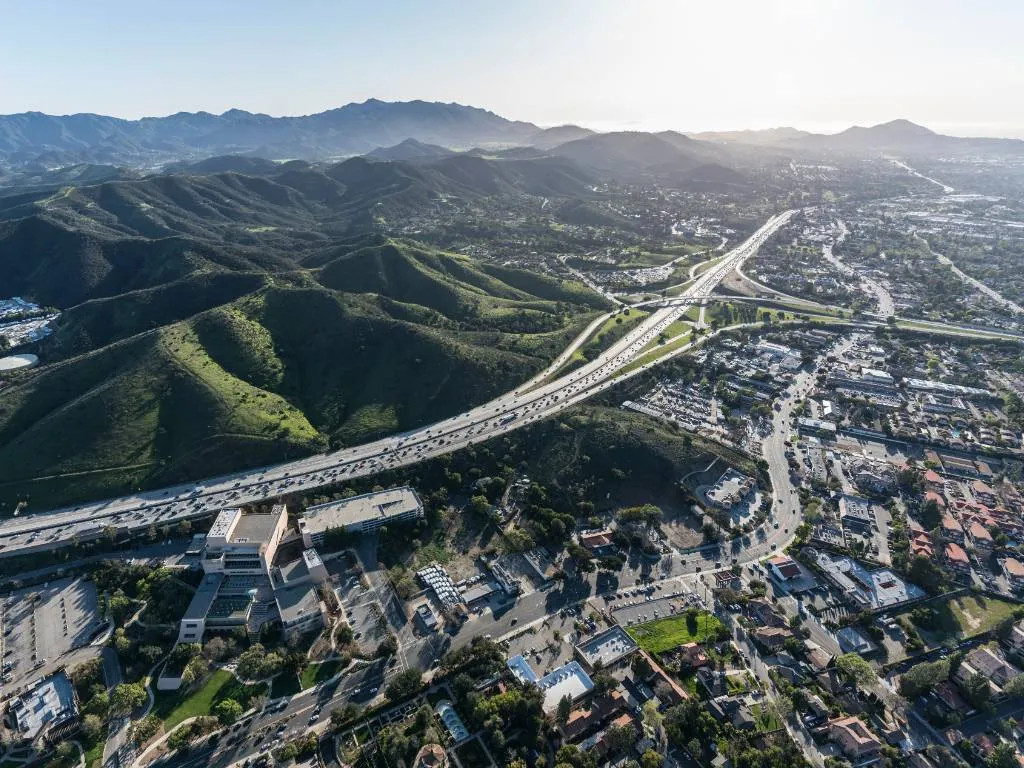
Most travelers utilize U.S. Route 101, often referred to as the Ventura Freeway, to make the connection. This route takes you through the San Fernando Valley, passing major hubs like Calabasas, Woodland Hills, and Sherman Oaks before merging into the dense urban landscape of Hollywood and eventually the downtown core. For those coming from the Santa Monica area, the Pacific Coast Highway offers a more scenic, albeit slower, alternative that traverses the coastline through Malibu.
Exploring Travel Modes for Every Visitor
Depending on your preference for comfort, cost, and efficiency, there are several ways to bridge the gap between Ventura County and Los Angeles County.
Private Vehicles and Rental Cars
For most, renting a car is the most practical choice. It allows for the flexibility to stop at notable sights along the way, such as the Getty Center or the beaches of Pacific Palisades. When traveling by car, it is wise to utilize navigation apps that account for real-time traffic updates, as accidents on the 101 Freeway can create significant delays that alternate routes like State Route 118 might help you avoid.
Public Transportation Options
While Southern California is famously car-centric, public transit remains a viable option for those looking to avoid the stress of driving.
- Metrolink: The Ventura County Line provides train service connecting Moorpark—located just west of Thousand Oaks—to Los Angeles Union Station. This is an excellent option for those working in the city center who want to read, work, or relax during the commute.
- Bus Services: Various regional bus lines offer connections between the Conejo Valley and major transit hubs in the San Fernando Valley, where passengers can transfer to the Metro Rail system.
Strategic Planning for the Best Experience
To optimize your trip between these two iconic locations, consider the following logistical tips that can turn a mundane commute into a pleasant travel experience.
Timing Your Departure
If you are planning to visit Griffith Observatory or catch a show at Walt Disney Concert Hall, leave Thousand Oaks at least two hours before your scheduled arrival time. Mid-morning departures (after 10:00 AM) are usually the most reliable for avoiding the heaviest congestion. Conversely, returning to the suburbs after 8:00 PM usually guarantees a much smoother drive.
Stops Worth Considering
The route between these locations is filled with opportunities for exploration.
- The Japanese Garden: Located in Van Nuys, this serene space offers a perfect break from the highway grind.
- Topanga State Park: For those who prefer a detour through nature, the trails here offer incredible views of the Santa Monica Mountains.
- The Commons at Calabasas: An upscale shopping and dining destination that serves as a popular midpoint for travelers looking to stretch their legs and enjoy a gourmet meal before reaching their final destination.
Staying Connected and Informed
Before embarking on your travel, check local road condition reports. The California Department of Transportation frequently updates information regarding lane closures or construction projects that could impact the 101 Freeway. Additionally, if you are planning to visit during peak tourist seasons or holidays, be aware that traffic patterns can shift significantly as vacationers travel toward Santa Barbara or San Diego.

Final Considerations for Your Journey
The “distance” between Thousand Oaks and Los Angeles is a microcosm of the Southern California lifestyle—a blend of expansive suburbia and dense, high-energy urban sprawl. Whether you are commuting for professional reasons or visiting the Hollywood Walk of Fame, the key to a successful trip is flexibility.
By acknowledging the reality of the traffic, utilizing the right modes of transport, and taking the time to enjoy the landmarks that dot the landscape between these two areas, you can ensure your travel experience is as rewarding as the destination itself. Remember that while Los Angeles offers the heart of the entertainment and financial industry, Thousand Oaks provides a peaceful gateway to the natural beauty of the coast and the northern reaches of the region. Balancing your time between the two allows for a comprehensive experience of what makes this part of California so unique.
Whether you choose the train for a scenic view of the valley or prefer the independence of your own car, you will find that the journey serves as a bridge between the fast-paced intensity of the big city and the quiet, structured comfort of the suburbs. Plan ahead, allow for delays, and make the most of the diverse sights along the way to ensure your transit is a highlight rather than a hurdle in your itinerary.
LifeOutOfTheBox is a participant in the Amazon Services LLC Associates Program, an affiliate advertising program designed to provide a means for sites to earn advertising fees by advertising and linking to Amazon.com. Amazon, the Amazon logo, AmazonSupply, and the AmazonSupply logo are trademarks of Amazon.com, Inc. or its affiliates. As an Amazon Associate we earn affiliate commissions from qualifying purchases.