
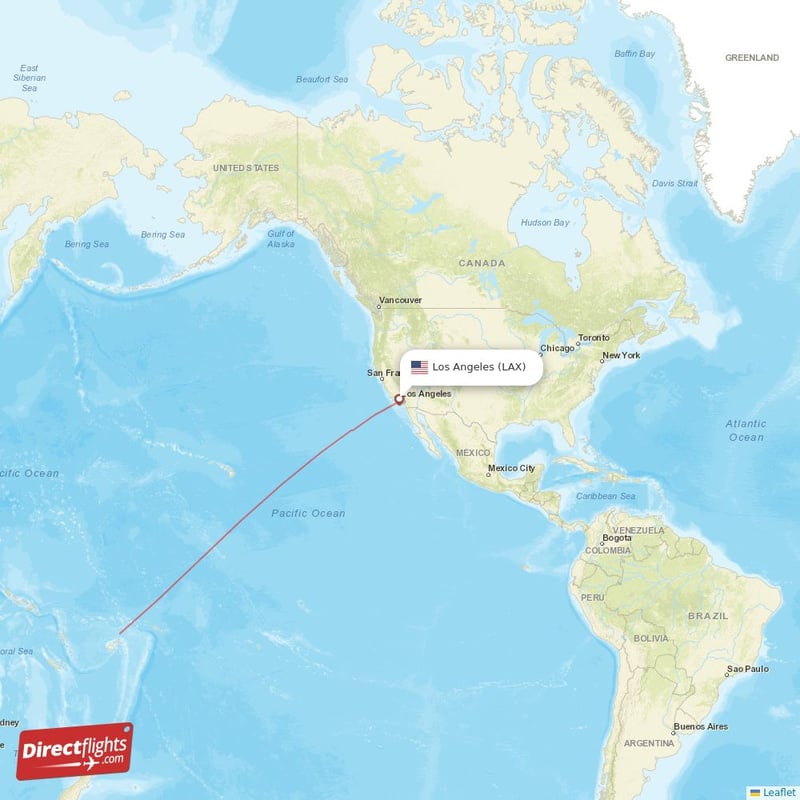
For many travelers, the journey from Los Angeles to Sydney represents the ultimate trans-Pacific pilgrimage. Spanning over 7,400 miles (approximately 12,000 kilometers), this route connects the cinematic energy of California with the iconic harbors and sun-drenched lifestyle of Australia. Understanding the duration and logistics of this flight is essential for ensuring that your transition from one hemisphere to the other is as smooth as possible.
Understanding the Flight Duration
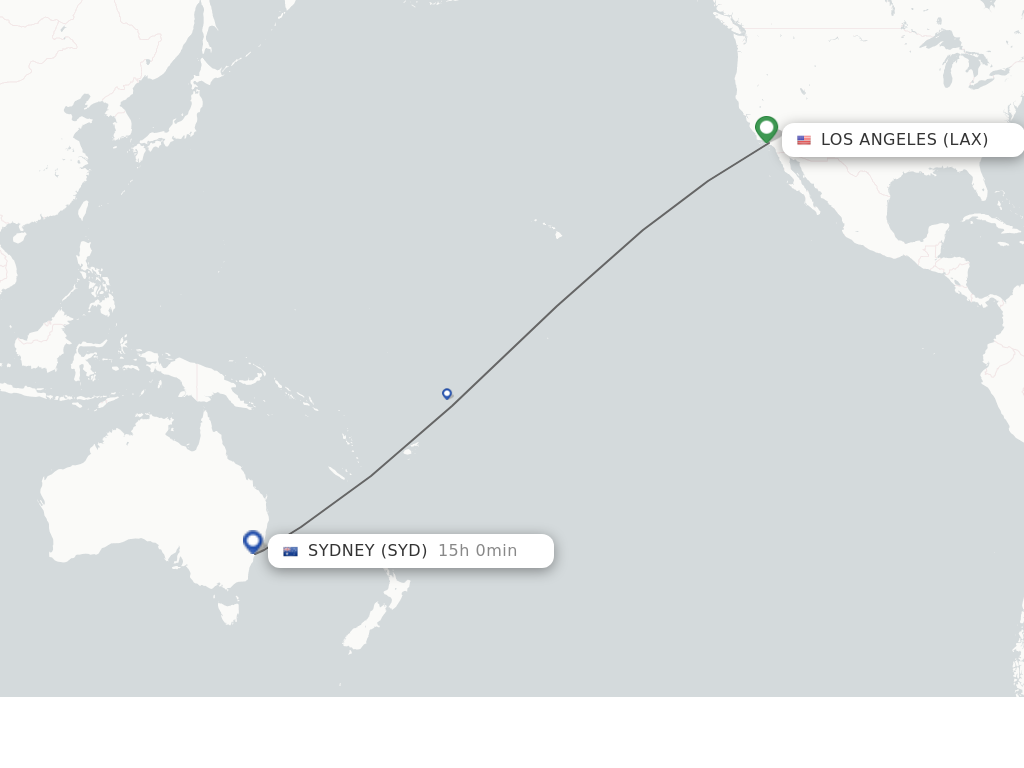
The flight from Los Angeles International Airport (LAX) to Sydney Kingsford Smith Airport is one of the world’s premier long-haul routes. Generally, travelers should prepare for a duration ranging from 14.5 to 16 hours.
The Impact of Jet Streams and Wind Patterns
While the physical distance remains constant, the actual time spent in the air fluctuates due to the Earth’s rotation and high-altitude wind currents, known as jet streams. When flying westbound from North America to Oceania, aircraft often contend with headwinds, which can slightly increase the duration of the flight. Conversely, the return journey back to the United States often benefits from a tailwind, allowing the plane to arrive faster.
Non-stop Versus Connecting Flights
The majority of passengers traveling between these two global hubs prioritize non-stop services. Major carriers like Qantas, United Airlines, and American Airlines operate direct daily flights. If you choose an itinerary with a layover, typically in hubs like Honolulu, Fiji, or Auckland, your total travel time will increase significantly, often extending to 20 or even 24 hours depending on the connection duration.
Planning for the Long-Haul Experience
Preparing for a 15-hour flight requires a strategic approach to comfort and health. Given the significant shift in time zones—often crossing the International Date Line—managing your physical well-being before, during, and after the flight is paramount.
Cabin Comfort and Cabin Class
The experience of the flight is heavily dictated by your class of service. Economy class seating is designed for efficiency, but on a route of this length, legroom and recline become critical. Premium Economy, Business, and First-Class offerings provide lie-flat beds, which are widely considered the gold standard for long-haul travel. Being able to sleep horizontally is the single most effective way to combat the fatigue associated with crossing Pacific Ocean time zones.
Hydration and Movement
At an altitude of 35,000 feet, cabin air is notoriously dry. It is vital to consume significant amounts of water throughout the journey. Furthermore, circulatory health is a concern during such extended periods of inactivity. Travelers are encouraged to utilize the in-flight entertainment system to track progress, but also to stand up, stretch, and walk the aisles every few hours to keep blood flowing and minimize the risk of deep vein thrombosis.
Navigating the International Date Line
One of the most disorienting aspects of the flight from Los Angeles to Sydney is the “lost” day. Because you are traveling west across the International Date Line, you effectively skip a calendar day upon arrival.
Arrival Logistics
If you depart on a Tuesday evening from California, you will likely land in Australia on a Thursday morning. This can be confusing for scheduling airport pickups or hotel check-ins. Always double-check your arrival date on your itinerary rather than assuming you land the day after departure.
Dealing with Jet Lag
Crossing such a vast longitudinal distance inevitably impacts your circadian rhythm. To mitigate this:
- Adjust Early: A few days before departure, begin shifting your sleep schedule by an hour or two toward Australian time.
- Seek Sunlight: Upon arrival in Sydney, spend time outdoors. Natural sunlight exposure is the most potent tool for resetting your internal clock to local time.
- Strategic Napping: While the temptation to sleep immediately upon reaching your hotel is immense, try to push through until the evening to synchronize your body with the local cycle.
Arrival and Infrastructure
Once your flight touches down at Sydney Kingsford Smith Airport, the transition into the city is generally seamless. Located just about 8 kilometers from the central business district, the airport is well-integrated with the city’s transport network.
Transport Options from the Airport
- Airport Link Train: This is often the fastest way to reach the city center, taking roughly 15 to 20 minutes to reach Central Station.
- Rideshare and Taxis: Dedicated ranks are available outside all terminals, providing door-to-door service to your accommodation.
- Hotel Shuttles: Many high-end properties offer private transfer services, which can be a welcome relief after a 15-hour journey.
First Impressions of the City
Stepping out into the vibrant atmosphere of New South Wales, you will immediately notice the difference in climate and pace. Whether you are visiting the Sydney Opera House or exploring the coastal paths of Bondi Beach, the long journey across the Pacific quickly fades into memory. The key is to pace your first day, allowing your body to recover from the flight before diving headfirst into the many adventures that this iconic Australian city offers.
By acknowledging the length of the journey and preparing your body and your schedule accordingly, you transform a challenging long-haul flight into a manageable—and even enjoyable—part of your travel narrative. With a flight time typically hovering around 15 hours, you are essentially investing one day of travel for weeks of exploration in one of the most beautiful regions on the planet. Keep your hydration levels up, prioritize rest, and prepare to land in a city that promises everything from world-class dining to unparalleled natural landscapes.
LifeOutOfTheBox is a participant in the Amazon Services LLC Associates Program, an affiliate advertising program designed to provide a means for sites to earn advertising fees by advertising and linking to Amazon.com. Amazon, the Amazon logo, AmazonSupply, and the AmazonSupply logo are trademarks of Amazon.com, Inc. or its affiliates. As an Amazon Associate we earn affiliate commissions from qualifying purchases.