
The journey from the sprawling urban landscape of Los Angeles to the neon-drenched oasis of Las Vegas is an American rite of passage. Spanning approximately 270 miles across the high desert of California and Nevada, this iconic route is more than just a commute; it is a transition from the Pacific coastline to the heart of the Mojave Desert. Understanding the logistics of this drive is essential for ensuring your vacation begins the moment you shift into drive.
Factors Influencing Your Drive Time
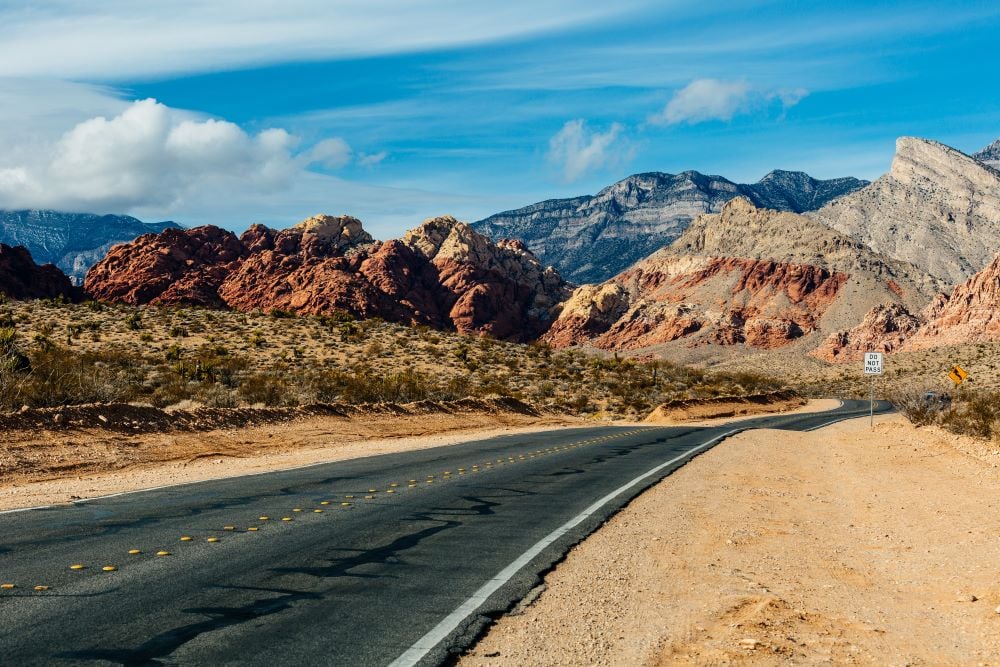
While the straight-line distance is manageable, the actual duration of the trip can fluctuate wildly based on several key variables. On an average day with no traffic, travelers can expect to reach the Las Vegas Strip in about four to five hours. However, this is a best-case scenario.
The Impact of Peak Travel Times
The most significant factor affecting your travel time is the day of the week. Friday afternoons and Sunday evenings are notorious for extreme congestion. When thousands of people leave Southern California for a weekend getaway, the Interstate 15 corridor becomes a bottleneck. During these peak hours, a trip that usually takes under five hours can easily balloon into seven or eight hours of stop-and-go frustration. To maintain a smooth experience, savvy travelers often opt for departures on Tuesday or Wednesday, or early Thursday mornings, effectively bypassing the weekend exodus.
Seasonal and Weather Considerations
The desert climate presents its own set of challenges. During the height of summer, temperatures in the Victor Valley and Baker can soar well into the triple digits. This extreme heat puts significant stress on vehicle cooling systems and tires. Ensure your vehicle is serviced before departure, especially if you are driving during the summer months. Conversely, winter weather can bring unexpected snow in the Cajon Pass, leading to temporary road closures or significantly reduced speeds. Checking the California Department of Transportation website for road conditions before you depart is a professional traveler’s habit that saves time and sanity.
Navigating the Interstate 15 Corridor
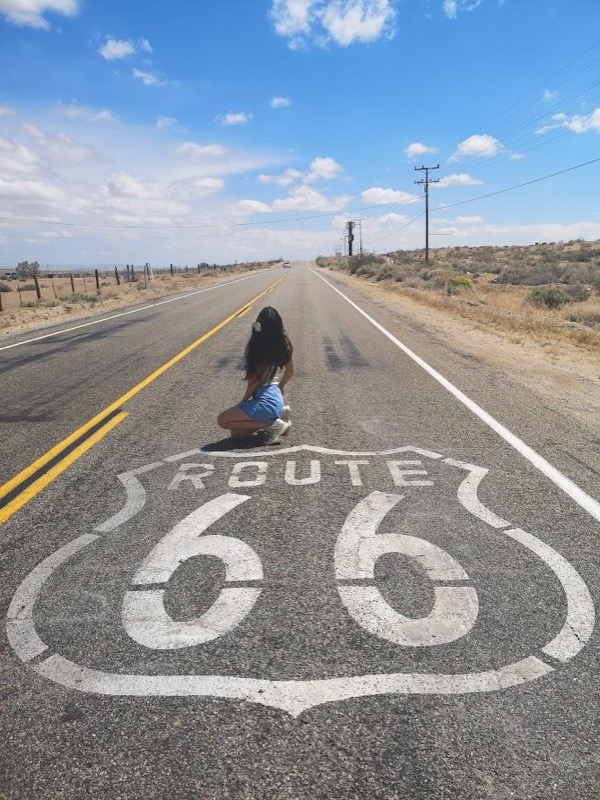
The primary artery for this journey is the I-15. The route is relatively straightforward, but familiarity with the landscape makes for a more engaging drive. You will depart the dense coastal plains and begin the steady incline toward the desert plateau.
Key Waypoints and Stops
Many travelers treat the drive as a chore, but it can be an opportunity for sightseeing. As you pass through the high desert, consider making a pit stop in Barstow. This town serves as a functional midway point and offers various dining options. Further along, you will pass the famous Seven Magic Mountains, an art installation that provides a colorful contrast to the rugged, sandy landscape. These small breaks not only help you stretch your legs but also allow time for traffic to thin out ahead of you, potentially reducing the stress of a non-stop haul.
Managing Fuel and Maintenance
The stretch of desert between the outskirts of Hesperia and Primm is vast. Running out of fuel here is an avoidable disaster. It is highly recommended to top off your gas tank before leaving the metropolitan areas of San Bernardino County. If your fuel efficiency is lower than average, monitor your dashboard carefully as you climb through the mountain passes, as higher engine loads increase consumption.
Strategic Planning for a Seamless Arrival
Optimizing your departure time is the single most effective way to control your drive time. If you work a standard schedule, trying to leave immediately after work on a Friday is a recipe for a grueling evening.
The “Early Bird” Advantage
Leaving before dawn—or even late at night—allows you to cruise at consistent speeds. Arriving in Nevada during the morning hours provides the added bonus of early check-in opportunities at most resorts. Imagine beating the heavy congestion and reaching your destination by noon; you gain almost an entire extra day of leisure time, allowing you to settle into your room and hit the pool while others are still battling traffic in the desert sun.
Alternative Routes and Reality Checks
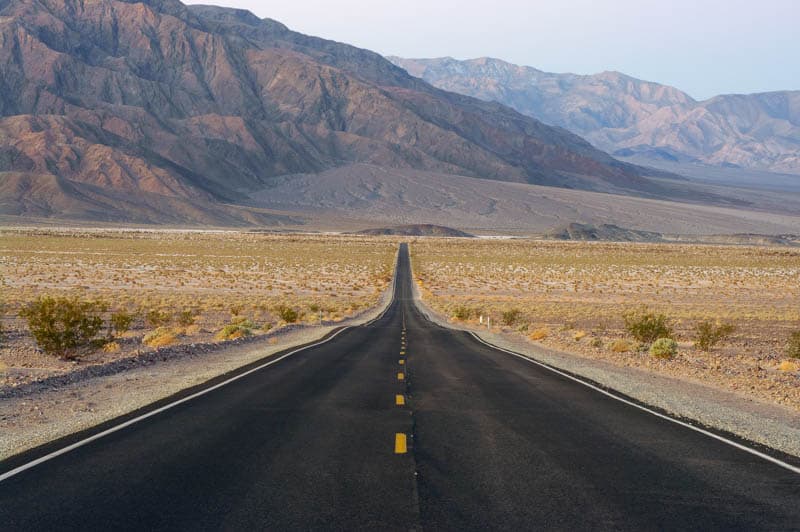
Some travelers inquire about taking scenic routes through the Death Valley National Park or other backroads to avoid traffic. While these routes offer stunning vistas, they are rarely faster. The Interstate 15 remains the most efficient connection between the two hubs. Unless there is a catastrophic accident or a major road closure on the interstate, taking side roads usually adds significant time to your journey without the benefit of a direct path. Stick to the primary route and utilize real-time navigation apps to monitor traffic flow, allowing for dynamic adjustments if a specific segment of the highway is experiencing significant delays.
Final Arrival Tips
As you approach the Nevada State Line, the desert landscape begins to give way to the unmistakable skyline of Las Vegas. Remember that the final miles into the city can be just as congested as the middle of the desert. Anticipate heavy traffic as you exit the highway and navigate the surface streets leading to your resort. By maintaining a patient mindset and planning your departure around the predictable rhythms of weekend commuters, the drive becomes a manageable preface to the excitement that awaits you in one of the world’s most vibrant destinations. Regardless of the traffic, the journey across the desert is a quintessential part of the West Coast experience, bridging the gap between the surf of Santa Monica and the lights of the Fremont Street Experience. Whether you are heading out for a business conference, a weekend of relaxation, or a high-energy getaway, your success starts with a well-timed departure and a well-maintained vehicle.
LifeOutOfTheBox is a participant in the Amazon Services LLC Associates Program, an affiliate advertising program designed to provide a means for sites to earn advertising fees by advertising and linking to Amazon.com. Amazon, the Amazon logo, AmazonSupply, and the AmazonSupply logo are trademarks of Amazon.com, Inc. or its affiliates. As an Amazon Associate we earn affiliate commissions from qualifying purchases.