
The route between Phoenix and Los Angeles is one of the most frequently traveled corridors in the United States. Connecting the vibrant desert metropolis of Arizona with the sprawling coastal expanse of California, this short-haul flight is a staple for business travelers, weekend vacationers, and those connecting to international long-haul journeys. Understanding the logistics of this flight path is essential for planning an efficient and stress-free trip.
Typical Flight Duration and Technical Realities
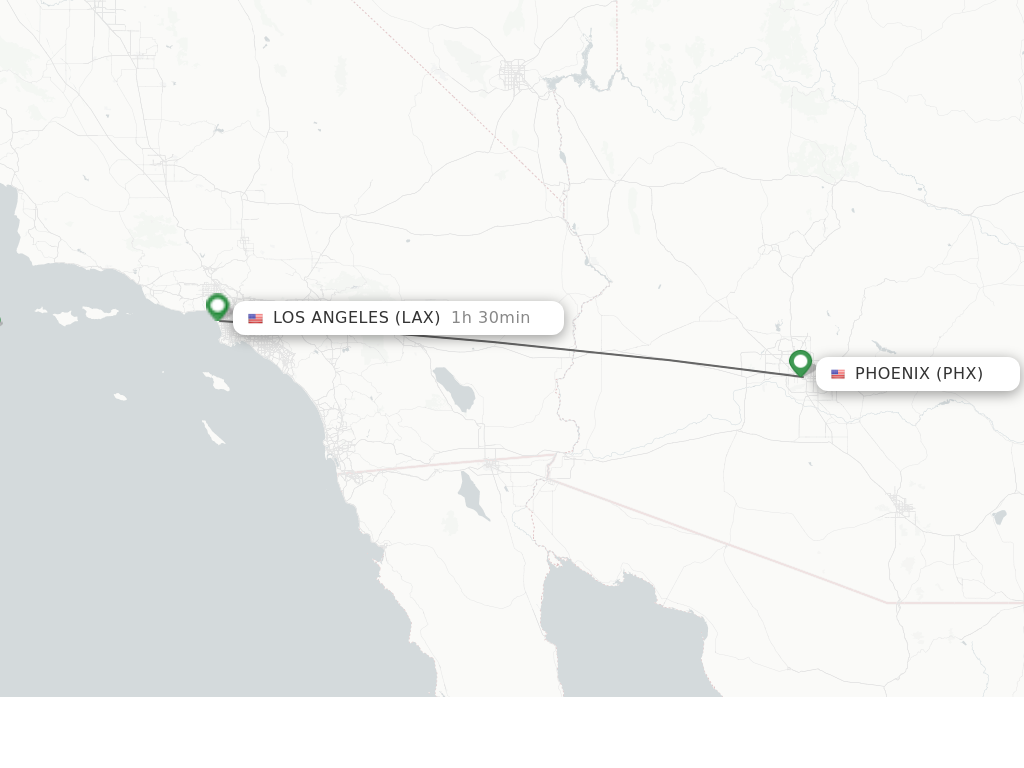
When you search for flights between Phoenix Sky Harbor International Airport and Los Angeles International Airport, you will find that the scheduled block time—the total time from gate departure to gate arrival—generally ranges between one hour and 20 minutes to one hour and 45 minutes.
In-Air Time vs. Block Time
It is important to distinguish between “air time” and “block time.” The actual time the aircraft spends in the air, from wheels up to touchdown, is often significantly shorter than the scheduled block time. On a standard day, the flight time between Phoenix and Los Angeles is usually around 50 to 65 minutes. The additional 20 to 30 minutes in the airline’s schedule account for taxiing to and from the runways at both busy hubs, as well as potential air traffic control holds.
Impact of Weather and Wind
Despite the short distance—approximately 370 miles—the flight can be influenced by prevailing winds. Because California is west of Arizona, flights traveling toward the coast often face headwinds, which can slightly increase flight time. Conversely, return flights toward Phoenix may benefit from tailwinds, occasionally resulting in a faster transit. While modern aircraft are highly efficient, these meteorological factors remain a standard consideration for pilots and flight dispatchers.
Airlines and Frequency of Service
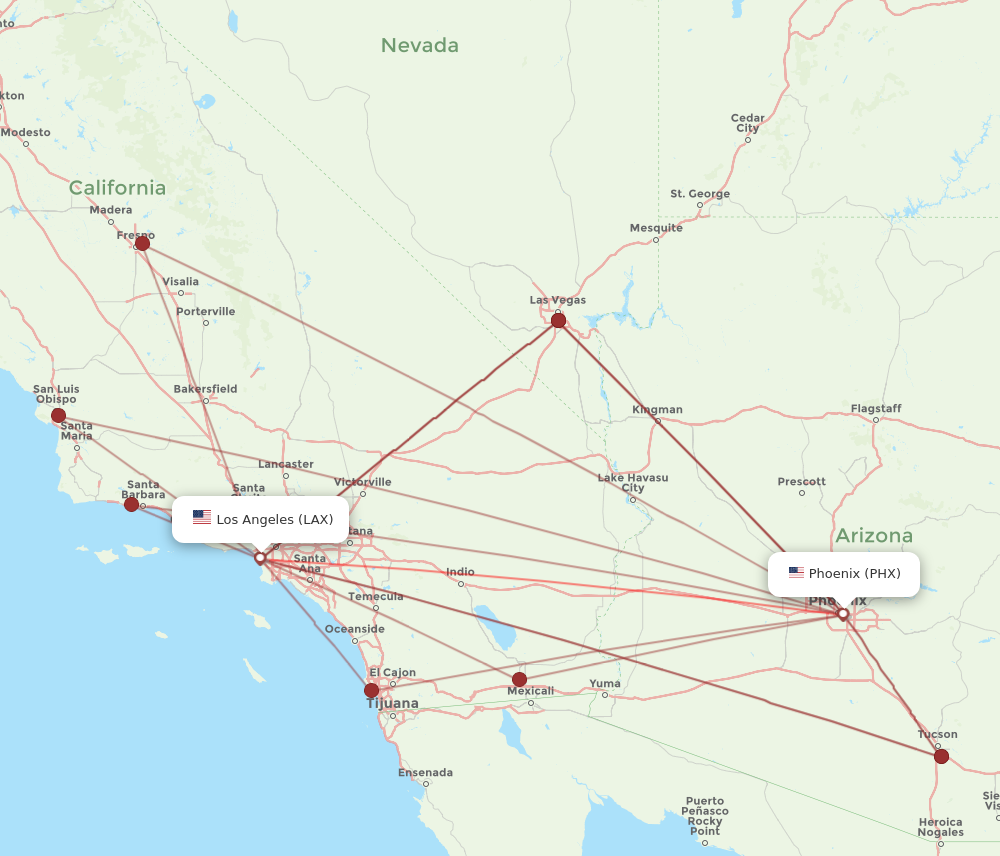
The high demand for travel between these two major American cities ensures that there is an abundance of flight options throughout the day. Because the flight is so short, it is considered a “commuter” route, and major carriers prioritize frequency over size of aircraft.
Major Carriers Serving the Route
Several major airlines dominate this flight path, offering dozens of daily departures.
- American Airlines: As Phoenix Sky Harbor International Airport is a major hub for this carrier, they offer the highest volume of flights to Los Angeles International Airport.
- Southwest Airlines: Known for their frequent service, they provide numerous non-stop options between these two cities, often utilizing both Phoenix and alternative airports in the Southern California region.
- Delta Air Lines and United Airlines: These carriers also provide consistent service, catering to travelers who may have loyalty programs or specific network requirements.
Choosing the Right Airport
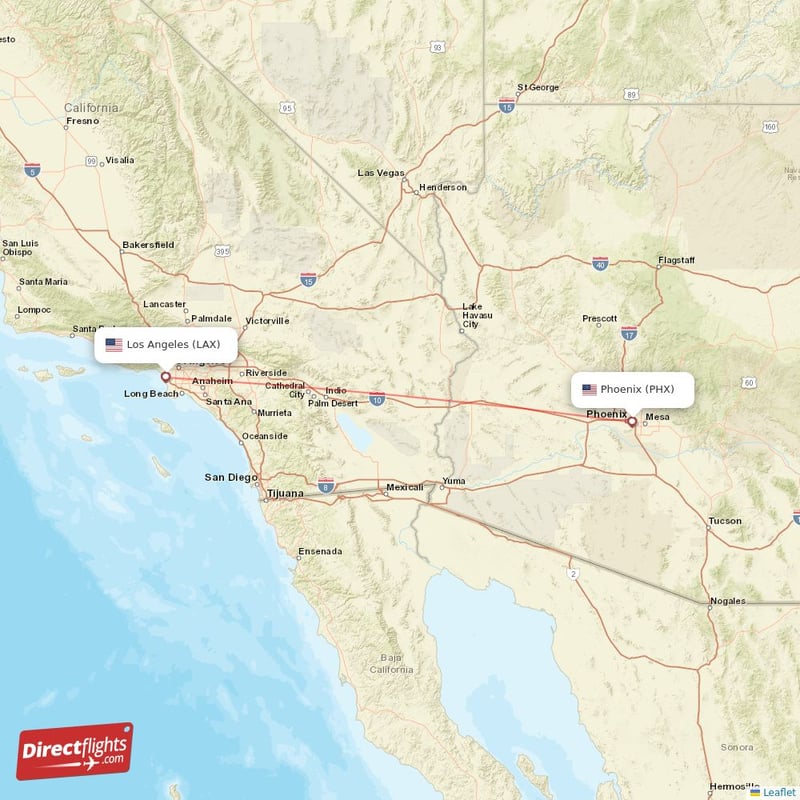
While Los Angeles International Airport (LAX) is the primary gateway, travelers should consider the final destination within the vast Los Angeles basin. Depending on where you are staying, flying into Hollywood Burbank Airport or John Wayne Airport in Orange County can save you significant travel time on the ground once you land. These smaller airports often offer a more streamlined experience, bypassing the congestion often associated with the larger Los Angeles hub.
Navigating Airport Logistics
For a flight that is only about an hour in the air, the time spent on the ground is where the true duration of your travel experience is determined. Navigating the logistics of these major hubs is just as important as the flight time itself.
The Phoenix Sky Harbor Experience
Phoenix Sky Harbor International Airport is remarkably efficient for its size. The PHX Sky Train makes moving between terminals easy, and security checkpoints are generally well-managed. However, travelers should still arrive at least 90 minutes before their scheduled departure, especially during peak holiday seasons or morning business-travel rushes.
Arrival at Los Angeles International Airport
Los Angeles International Airport is notorious for its traffic and complexity. Once your flight touches down, taxiing to the gate can take longer than in smaller cities due to the sheer volume of aircraft activity. Exiting the airport—whether you are picking up a rental car, taking a rideshare, or using public transit—requires patience. Travelers are advised to account for the “LA Factor,” which includes potential delays in ground transportation that can easily double the time you spent in the air.
Planning for a Seamless Trip
When deciding whether to fly between Phoenix and Los Angeles, it helps to weigh the benefits of flight versus driving.
Flight vs. Drive
Driving from Phoenix to Los Angeles typically takes between six and eight hours, depending on traffic in the Inland Empire and San Bernardino County. While driving allows for more flexibility and personal comfort, flying is undeniably faster. For business travelers or those with limited vacation time, the short flight is the superior choice.
Pro-Tips for Frequent Flyers
To optimize your trip between these two Sun Belt cities:
- TSA PreCheck: Enrolling in trusted traveler programs is highly recommended for anyone frequently using Phoenix Sky Harbor International Airport or Los Angeles International Airport, as it drastically reduces time spent in security lines.
- Off-Peak Departure Times: Flights departing mid-morning or mid-afternoon are often less prone to delays caused by cumulative congestion throughout the day.
- Stay Informed: Use your airline’s mobile app to receive real-time notifications about gate changes or delays. Because the flight is so short, any minor delay can have a ripple effect on your schedule.
The journey from Arizona to California is straightforward and well-supported by infrastructure. By understanding that the flight duration involves more than just the time in the air, you can effectively manage your time and ensure a productive trip. Whether you are headed to a business meeting in Downtown Los Angeles or looking to enjoy the beaches of Santa Monica, the quick flight from Phoenix is a reliable and convenient way to traverse the distance.
LifeOutOfTheBox is a participant in the Amazon Services LLC Associates Program, an affiliate advertising program designed to provide a means for sites to earn advertising fees by advertising and linking to Amazon.com. Amazon, the Amazon logo, AmazonSupply, and the AmazonSupply logo are trademarks of Amazon.com, Inc. or its affiliates. As an Amazon Associate we earn affiliate commissions from qualifying purchases.