
The journey across the Pacific Ocean connecting Tokyo and Los Angeles is one of the most significant trans-Pacific corridors in the world. Whether you are traveling for business, embarking on a long-awaited vacation, or visiting family, understanding the logistics of this flight is essential for planning a seamless experience. While the physical distance between Japan and the United States is vast, modern aviation has turned this massive expanse into a manageable, albeit lengthy, journey.
Understanding Flight Durations and the Pacific Corridor
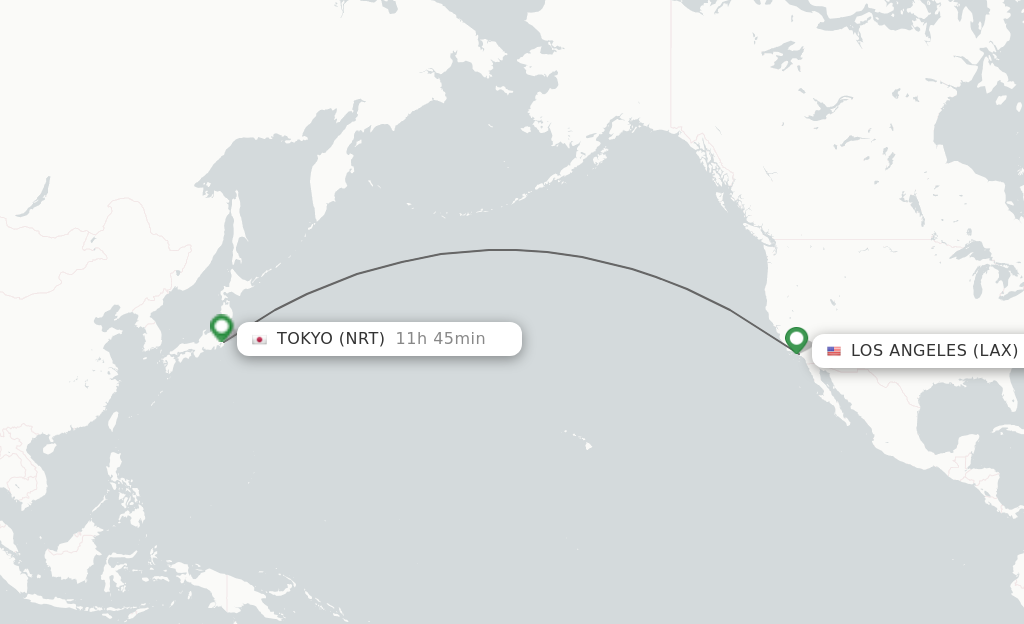
When you look at a globe, the flight path between these two global hubs may seem straightforward, but several variables dictate exactly how many hours you will spend in the air. On average, a non-stop flight from Tokyo to Los Angeles takes approximately 10 to 11 hours. However, this is not a static number. The time spent in the cabin is influenced heavily by environmental factors, air traffic patterns, and the specific aircraft being utilized.
The Role of Jet Streams
The primary factor affecting flight time is the prevailing wind, specifically the jet stream. When flying eastbound from Japan toward the United States, aircraft often benefit from strong tailwinds. These powerful currents of air, moving west to east, can significantly boost the ground speed of the aircraft, sometimes shaving nearly an hour off the scheduled arrival time. Conversely, flights returning from Los Angeles to Tokyo must combat these same winds, which is why return trips are consistently longer—often lasting between 11 and 12 hours.
Aircraft Performance and Flight Path
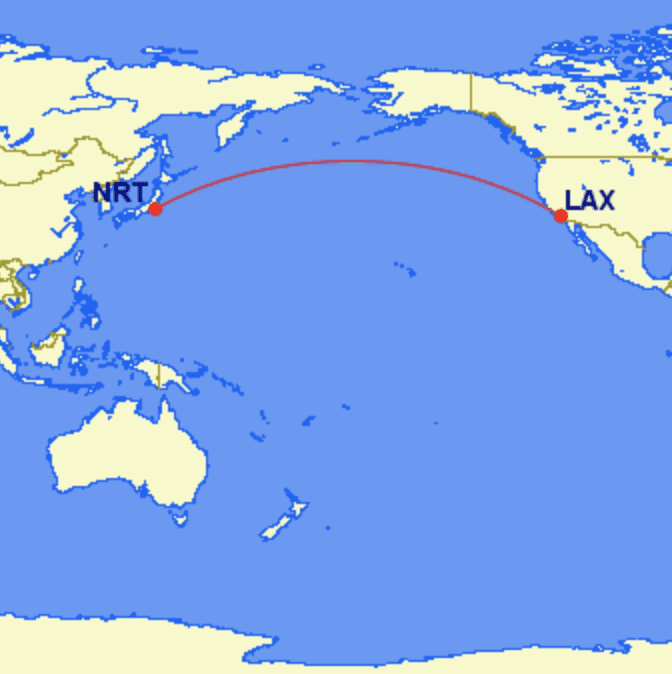
The specific model of the aircraft, such as a Boeing 787 Dreamliner or an Airbus A350, also plays a role in performance and passenger comfort. Modern long-haul jets are designed to fly at higher altitudes and at more efficient speeds, optimizing fuel consumption while maintaining steady cruise velocities. Furthermore, airlines do not fly in a perfectly straight line. Due to the curvature of the Earth, the “great circle” route—the shortest distance between two points on a sphere—bends toward the north, taking flights near the Aleutian Islands and the coast of Alaska. Weather patterns and international air traffic control restrictions may force pilots to deviate from this path, adding or subtracting minutes from the total duration.
Departure and Arrival Dynamics
The trans-Pacific flight experience is unique because of the International Date Line. When traveling from Tokyo to Los Angeles, you are essentially chasing the sun. You will frequently find that your arrival time in California is earlier in the day than your departure time in Japan on the same calendar day.
Navigating Time Zones
Crossing the International Date Line is a disorienting experience for the body’s circadian rhythm. Passengers flying eastbound arrive in the morning or early afternoon, having effectively “gained” a day. This phenomenon can be a blessing for those looking to maximize their time in Los Angeles, but it requires careful management of sleep schedules to avoid severe jet lag. Staying hydrated, limiting caffeine, and attempting to sync your sleep with your destination’s time zone as soon as you board the aircraft are essential travel strategies.
Operational Considerations
Airlines such as All Nippon Airways and Japan Airlines operate frequent rotations between Narita International Airport or Haneda Airport and Los Angeles International Airport. The choice between Haneda Airport and Narita International Airport can influence your overall travel day, as Haneda Airport is significantly closer to the center of Tokyo. Efficient ground transportation and timely check-ins contribute to the overall impression of how long the travel process feels, regardless of the time spent in the air.
Maximizing Comfort on a Long-Haul Flight
Given that you will be confined to a cabin for over 10 hours, preparation is the key to a pleasant journey. Whether you are flying in first class or economy, the constraints of long-distance air travel remain similar.
Cabin Environment and Wellness
The atmosphere inside a pressurized cabin is extremely dry, which can lead to fatigue and discomfort. Many modern wide-body aircraft utilize advanced air filtration and humidification systems to mitigate this, but it remains critical to drink plenty of water and avoid excessive alcohol. Movement is equally vital. Deep vein thrombosis is a risk on flights exceeding 10 hours; consequently, airlines encourage passengers to stretch, walk the aisles, and perform seated exercises to maintain circulation.
Entertainment and Productivity
For many, the 11-hour flight is a rare opportunity to disconnect or catch up on work. Most international carriers offer robust in-flight entertainment systems featuring a vast library of films, television shows, and music. Others may prefer to use this block of time to finish a project, read a book, or engage in quiet meditation. By having a structured plan for how to spend your time—whether it is sleeping for a six-hour block or finishing a book—the flight often feels significantly shorter than the clock suggests.
Selecting the Right Flight for Your Schedule
When booking your ticket between Tokyo and Los Angeles, consider the departure times carefully. Overnight flights, which typically depart Japan in the afternoon or evening, are popular because they allow passengers to sleep through the bulk of the journey. Arriving in Los Angeles in the morning allows for a full day of activity, though it necessitates a strategic nap to combat exhaustion.
Seasonal Variations
It is worth noting that seasonal weather patterns can impact flight duration. Winter months often see stronger jet streams, which can lead to faster eastbound flights but potentially bumpier rides due to turbulence. Summer months tend to be more stable, though afternoon thunderstorms over North America can sometimes lead to air traffic hold patterns that extend the duration of the flight near the arrival phase.

Final Travel Tips
To ensure the smoothest journey possible, keep these pointers in mind:
- Check Flight Trends: Use online trackers to see the average flight time for your specific flight number over the past week; this provides a realistic expectation.
- Priority Boarding: If you want to settle in quickly and organize your belongings, priority boarding can reduce the stress of the boarding process.
- Noise-Canceling Technology: Investing in high-quality noise-canceling headphones is arguably the most valuable upgrade you can make for a trans-Pacific flight.
- Airport Lounges: Access to airport lounges at Narita International Airport or Los Angeles International Airport can provide a peaceful environment to recharge before or after your flight.
Ultimately, while 10 to 11 hours is a substantial time commitment, it is a small price to pay for the ability to traverse the globe and experience the distinct cultures of Japan and the United States. With the right mindset, proper physical preparation, and an understanding of the factors that dictate flight duration, the distance between these two iconic cities becomes just another part of the journey.
LifeOutOfTheBox is a participant in the Amazon Services LLC Associates Program, an affiliate advertising program designed to provide a means for sites to earn advertising fees by advertising and linking to Amazon.com. Amazon, the Amazon logo, AmazonSupply, and the AmazonSupply logo are trademarks of Amazon.com, Inc. or its affiliates. As an Amazon Associate we earn affiliate commissions from qualifying purchases.