
The Los Angeles Marathon stands as one of the most iconic athletic events in the United States, drawing thousands of participants and spectators to the streets of California every year. For those asking exactly how many miles they must traverse to complete this grueling yet exhilarating journey, the answer is the standard international distance: 26.2 miles. However, the true experience of this race lies not just in the mileage, but in the vibrant tapestry of culture and geography that unfolds along the route.
Understanding the “Stadium to the Stars” Course
While 26.2 miles is a fixed distance for any certified marathon, the topography and surroundings of the Los Angeles course provide a unique challenge that separates it from races in flatter cities. The current iteration of the course, often referred to as the “Stadium to the Stars,” offers runners a scenic tour of the city’s most famous landmarks.
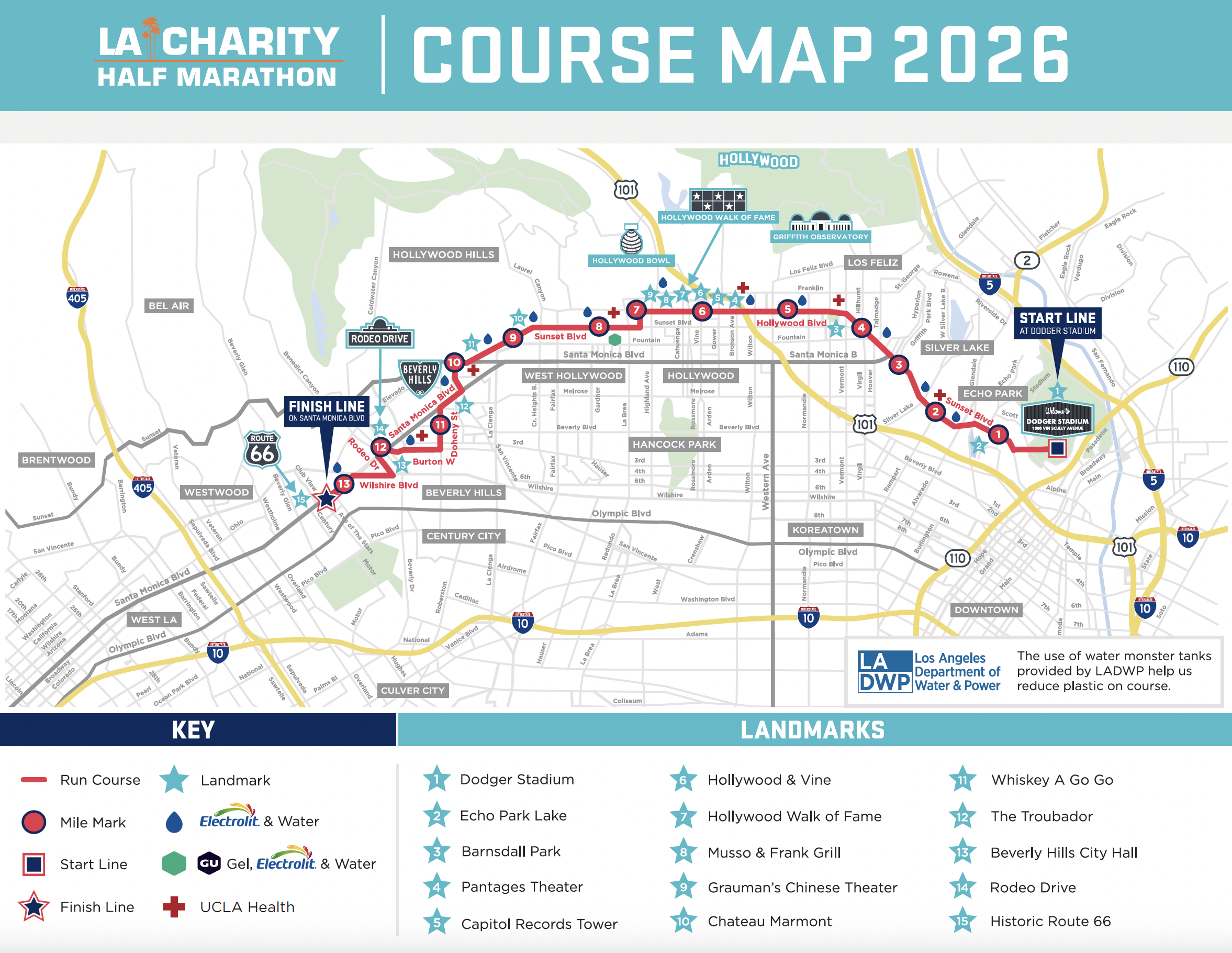
From Dodger Stadium to the Finish Line
The race begins at Dodger Stadium, providing an electric start to the morning. From there, runners wind through various neighborhoods, experiencing the diverse climate and urban environment of Southern California. The course is designed to highlight the breadth of the city, moving through historic districts and modern commercial hubs. As participants tick off the miles, they transition from the hilly surroundings near the starting point toward the more recognizable stretches of iconic boulevards.
Elevation and Terrain Challenges
One of the primary reasons the distance feels different for runners in this race is the elevation gain. Unlike courses in coastal regions that remain flat, the Los Angeles Marathon features undulating hills that test the stamina of even the most seasoned marathoners. Managing your energy levels across these 26.2 miles requires careful pacing, as the early stretches of the course can lull runners into a false sense of security before the steeper gradients appear.
The Cultural Significance of the Route
The 26.2-mile journey is essentially a cross-section of American life. By weaving through distinct neighborhoods, the race serves as a mobile tour of the city’s history and architecture.
Running Through Hollywood
One of the most anticipated segments of the race involves passing through Hollywood. For the out-of-town runner, these miles are often the most motivating. Seeing the Hollywood Walk of Fame under one’s feet provides a surge of adrenaline that helps push through the fatigue that usually sets in around the 18th or 20th mile. The local crowds that gather along these boulevards are among the most supportive, cheering on the waves of runners who are currently checking off their mile markers.

Iconic Landmarks Along the Way
Beyond the glitz of the entertainment district, the route takes participants past several key locations that define the spirit of the region. The course planning intentionally connects disparate parts of the metropolis, allowing runners to view the juxtaposition of historic Spanish Colonial architecture against the backdrop of modern, steel-and-glass skyscrapers. Whether passing near the lush greenery of Elysian Park or the bustling streets of Koreatown, the changing scenery helps to distract the mind from the physical strain of the 26.2-mile trek.
Preparing for the 26.2-Mile Commitment
Training for a marathon in Los Angeles requires more than just logging miles on the pavement. The environment itself demands specific preparation, particularly regarding heat acclimation and hydration.
The Impact of Climate and Temperature
The weather in Southern California can be deceptively warm, even in the early morning. With 26.2 miles ahead, managing body temperature is crucial. Many runners find that the latter half of the race, as the sun rises higher, becomes significantly more challenging. Utilizing the official water stations at regular mile intervals is non-negotiable. Experienced local runners often suggest training in similar temperature ranges to ensure the body is conditioned to perform at its peak when the temperature rises in the final stages of the race.
Nutrition and Pacing Strategies
For those who have not yet tackled the full marathon distance, it is vital to remember that the “wall”—a term often used to describe the point of severe fatigue—typically hits around mile 20. Proper fueling is necessary to sustain the effort for the full 26.2 miles. Incorporating electrolytes and energy gels into your training long before the race day is essential. Because the Los Angeles Marathon offers a diverse range of terrain, developing a pacing strategy that accounts for the elevation changes will prevent “burning out” before reaching the finish line.
Why the Distance Matters to Locals and Tourists
The Los Angeles Marathon is not just an athletic event; it is a significant tourism anchor for the city. Each year, thousands of visitors fly into Los Angeles International Airport specifically to participate in or witness this feat of endurance.
Economic and Social Impact
The 26.2-mile course acts as a vibrant artery through the city, closing down major intersections and bringing local businesses to life. Neighborhoods that are usually navigated by car are opened up to pedestrians, creating a rare atmosphere of community and celebration. For residents of Beverly Hills and beyond, the race is a day of festivities where the city’s identity as a hub for health, wellness, and entertainment is showcased to the world.
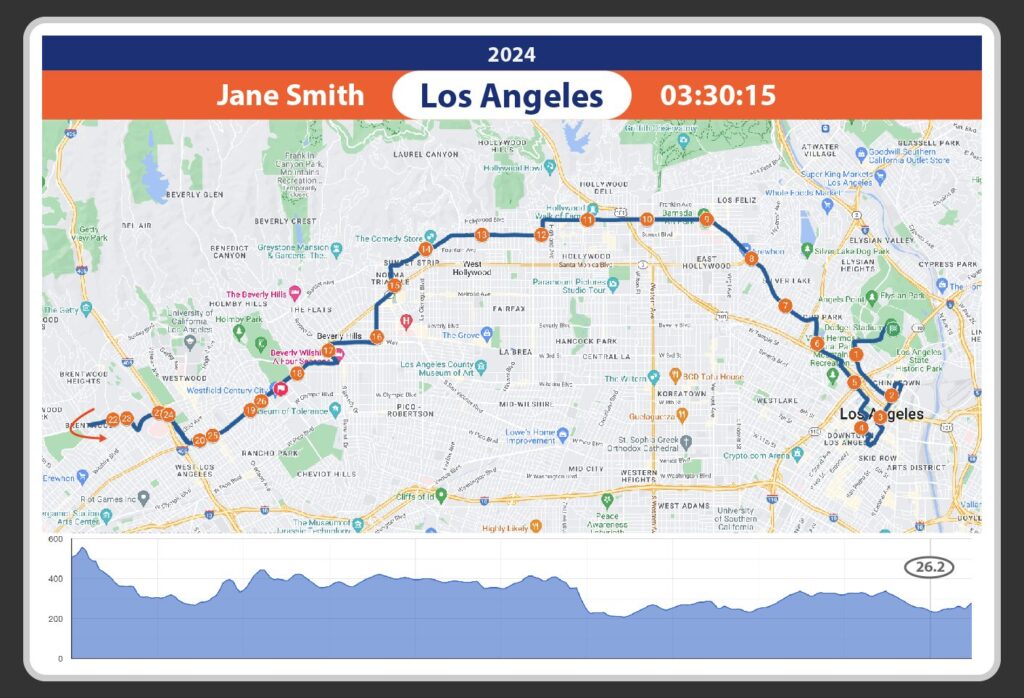
A Journey of Personal Achievement
Whether you are an elite athlete or a recreational runner, completing 26.2 miles is a life-changing milestone. Finishing the Los Angeles Marathon allows you to claim a piece of the city’s storied history. When you cross that finish line, you aren’t just completing a distance; you are navigating the heart of a global cultural capital. The physical labor of those 26.2 miles becomes a vivid memory, etched into the map of the city and into your own personal records.
In conclusion, the Los Angeles Marathon is exactly 26.2 miles of high-stakes, high-reward athletic competition. By understanding the course’s unique terrain, the significance of the neighborhoods it traverses, and the necessity of proper preparation, participants can transform this daunting distance into an unforgettable experience. Whether you are aiming to set a personal best or simply complete the journey through California, the route from Dodger Stadium to the finish line offers a perspective of Los Angeles that few others ever get to see.
LifeOutOfTheBox is a participant in the Amazon Services LLC Associates Program, an affiliate advertising program designed to provide a means for sites to earn advertising fees by advertising and linking to Amazon.com. Amazon, the Amazon logo, AmazonSupply, and the AmazonSupply logo are trademarks of Amazon.com, Inc. or its affiliates. As an Amazon Associate we earn affiliate commissions from qualifying purchases.