
Navigating the legal landscape of Los Angeles can be an overwhelming experience for any resident or visitor. While most people visit the city for its iconic Hollywood sign, world-class dining, or the shimmering coastlines of Santa Monica, others find themselves interacting with the local judicial system. Whether you are dealing with a minor traffic infraction issued on Sunset Boulevard or a more complex civil matter, understanding the financial obligations associated with the Superior Court of California, County of Los Angeles is a critical step in managing your responsibilities.
Understanding the Fee Structure in the Judicial System
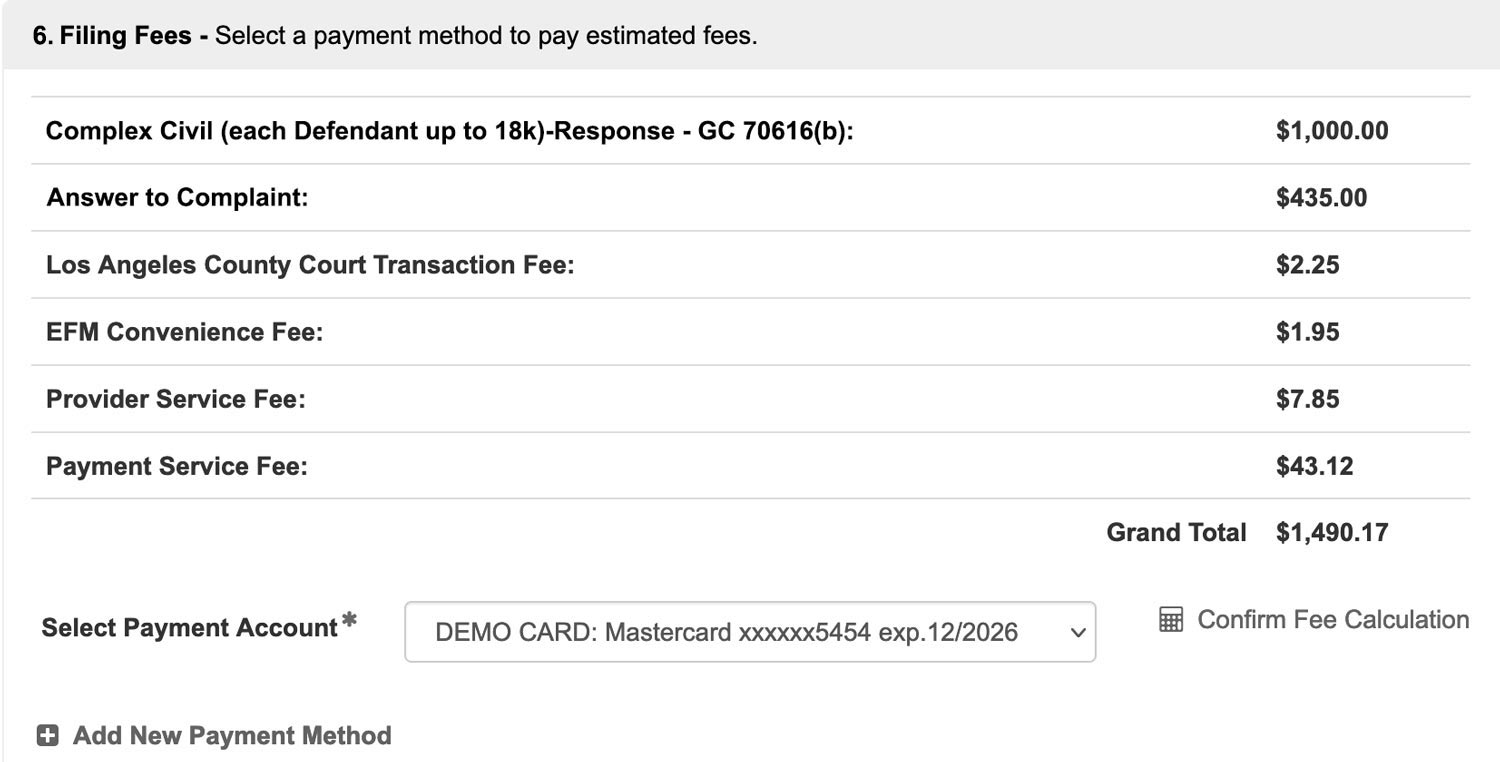
The costs associated with court proceedings in California are not always straightforward. Unlike a flat entry fee at a tourist attraction like Universal Studios Hollywood, legal fees are determined by state law, local rules, and the specific nature of your case. The court’s “Fee Schedule” is a comprehensive document that outlines exactly what you might owe for various filings, motions, and administrative services.
Civil Filing Fees
If you are initiating a lawsuit or responding to one in a civil court, the costs vary significantly based on the “limited” or “unlimited” status of the case. Limited civil cases—those involving smaller amounts of money—have different filing fee structures compared to unlimited civil cases. It is essential to verify the current fee schedule through the official court website, as these figures are adjusted periodically by the state legislature.
Traffic and Infraction Costs
For the average person, the most common encounter with the court system involves traffic citations. If you were pulled over while driving through Beverly Hills or West Hollywood, the amount you see on your citation is often just the base fine. When you factor in the various state penalties, surcharges, and assessment fees that are mandated by the state of California, the final amount can be substantially higher than the original ticket price. These surcharges are used to fund everything from emergency medical services to court facilities, meaning your payment is being distributed across several different public sectors.
Strategies for Managing and Reducing Costs
If you are facing substantial court fees, it is important to know that you are not necessarily without recourse. The legal system in Los Angeles County recognizes that not every individual has the financial means to cover the standard costs associated with litigation or penalties.
Fee Waivers and Financial Hardship
One of the most vital tools available to litigants is the “Request to Waive Court Fees.” If your income is below a certain threshold or if you are receiving public benefits, you may qualify for a waiver of court fees. This means that filing fees, jury fees, and other administrative costs can be eliminated entirely or reduced significantly. You will need to complete the mandatory forms and provide documentation of your financial situation to the court clerk, who will then forward your request to a judge for approval.

Avoiding “Late Fees” and Penalties
The most common way people end up owing more than they originally expected is through missed deadlines. When you ignore a citation or a court-ordered payment schedule, the court may impose a “Civil Assessment.” This is an additional penalty that can be as much as $300 or more, added directly on top of your original fine. To keep your costs as low as possible, prioritize communication with the court. Even if you cannot pay the full amount immediately, contacting the clerk’s office to set up a payment plan or requesting an extension can prevent these costly penalties from accumulating.
Digital Tools and Payment Methods
The days of standing in long lines at the Clara Shortridge Foltz Criminal Justice Center are largely behind us. The court system has invested heavily in digital infrastructure to make the payment process more efficient for the public.
Online Payment Portals
The Superior Court of California, County of Los Angeles provides a secure online portal for many types of payments. Whether you are paying for traffic tickets, civil filing fees, or court-ordered payments, you can often process these transactions from the comfort of your own home in Downtown Los Angeles. Using the online system is highly recommended because it provides immediate confirmation of your payment and helps you avoid the risk of lost mail.
Accepted Methods of Payment
While online payments typically require a debit or credit card, the court also accepts payments in person at various courthouse locations throughout the county. These locations, such as those in Long Beach or Van Nuys, may accept checks, money orders, or cash, though it is always prudent to check the specific policies of the branch you plan to visit before making the trip. Always bring your citation number or case number, as the staff will require this information to look up your account accurately.
The Importance of Accurate Legal Information
When you are trying to determine how much you owe, the most important rule is to rely only on official sources. Scammers often target individuals by sending fake notices demanding immediate payment for nonexistent court fees.
Identifying Official Communications
The Superior Court will never call you and demand immediate payment via gift cards, wire transfers, or cryptocurrency. Official notices will arrive through the mail on court letterhead, and they will clearly indicate the case number, the amount due, and the deadline for payment. If you ever receive a suspicious communication, do not click on any links provided in an email. Instead, visit the official court website directly by typing the address into your browser.

Consulting with Professionals
If your court fees involve complex litigation, speaking with a legal professional can be a sound investment. Attorneys can often help you navigate the fee waiver process or negotiate payment plans that are not immediately obvious to the layperson. While legal representation is an additional cost, the potential savings—both in terms of court fees and the outcome of your case—often justify the expenditure.
Understanding your financial obligations to the court is a necessary part of civic life in a bustling metropolis like Los Angeles. By utilizing the available fee waivers, adhering to deadlines to avoid civil assessments, and using official payment channels, you can navigate your legal requirements with clarity and confidence. Always keep organized records of your payments and any correspondence you receive from the court, as these documents will serve as your receipt and proof of resolution should any discrepancies arise in the future. Dealing with court fees is rarely pleasant, but with the right approach and information, it can be managed effectively and professionally.
LifeOutOfTheBox is a participant in the Amazon Services LLC Associates Program, an affiliate advertising program designed to provide a means for sites to earn advertising fees by advertising and linking to Amazon.com. Amazon, the Amazon logo, AmazonSupply, and the AmazonSupply logo are trademarks of Amazon.com, Inc. or its affiliates. As an Amazon Associate we earn affiliate commissions from qualifying purchases.