
The gig economy has fundamentally reshaped the way people earn a living in Los Angeles, and driving for ride-sharing platforms remains one of the most popular avenues for supplemental or primary income. As the sprawling metropolis of California continues to expand, the demand for reliable transportation remains high, drawing thousands of drivers to the roads daily. Understanding the true earning potential of an Uber driver in this city requires peeling back the layers of gross revenue, operational expenses, and the unique geographical challenges of the region.
The Financial Realities of Ride-Sharing in Southern California
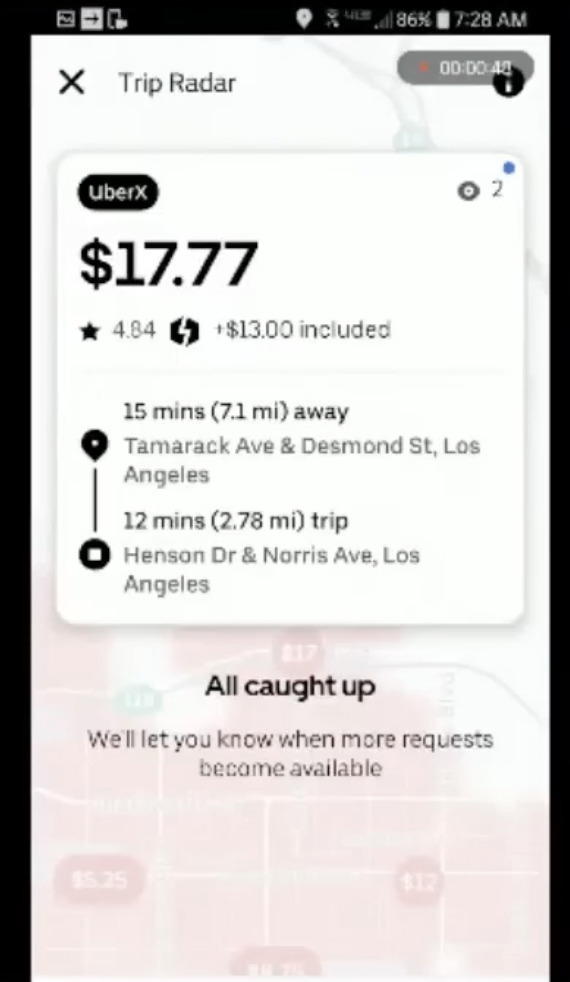
When analyzing driver income, it is essential to distinguish between gross earnings—the total amount paid by passengers—and net profit, which is what remains after expenses are accounted for. In a city as vast as Los Angeles, the math is rarely straightforward.

Gross Earnings vs. Net Profit
On average, drivers in Los Angeles may see hourly gross earnings ranging from $20 to $35 per hour during peak demand. However, this figure is highly volatile. It is influenced by dynamic pricing, often referred to as “surge,” which occurs during heavy traffic hours or around major events at venues like SoFi Stadium or Dodger Stadium.
The critical error many new drivers make is ignoring the hidden costs of the trade. Once you deduct the platform’s service fee, the cost of fuel, vehicle maintenance, insurance premiums, and the inevitable depreciation of a vehicle, the net hourly wage often drops significantly. In a high-traffic environment, frequent stop-and-go driving accelerates wear and tear, meaning that vehicle maintenance costs are higher here than in more rural parts of the United States.
The Impact of Local Traffic Patterns
Traffic in Los Angeles is not just a nuisance; it is a primary factor in driver profitability. While ride-sharing platforms offer a “time and distance” pay structure, being stuck on the 405 Freeway or the 101 Freeway for an hour often means a driver is earning less per mile than they would on clear roads. The most successful drivers are those who learn the “rhythm” of the city, avoiding high-congestion zones during peak gridlock unless the surge pricing justifies the time spent idling.
Maximizing Revenue: Strategic Driving in the City of Angels
To make ride-sharing a viable long-term income strategy, drivers must treat it as a business rather than a passive hobby. This involves strategic planning, geographic awareness, and timing.
Identifying High-Value Zones
Profitability is concentrated in areas where demand is high and passenger flow is constant. Drivers who frequent the Santa Monica area, West Hollywood, and Beverly Hills often find higher-end clientele and shorter trip distances, which can lead to more frequent tips. Furthermore, proximity to Los Angeles International Airport remains a staple for many, as airport runs typically offer higher-value, longer-distance trips that minimize the downtime between passengers.

The Importance of Peak Hours
The divide between a part-time gig and a full-time living often comes down to hours of operation. Late-night shifts, particularly on weekends, provide the highest earning potential due to bar closures in areas like Downtown Los Angeles and Hollywood. Early morning airport runs are another “golden hour” for earnings. Drivers who stick to a standard 9-to-5 schedule often find themselves fighting the aforementioned traffic, which severely caps their earning capacity.
The Costs of Doing Business
Beyond the revenue side, managing expenses is where professional drivers separate themselves from novices. Operating a vehicle in the dense urban landscape of Southern California requires a disciplined approach to vehicle ownership.
Vehicle Depreciation and Maintenance
In Los Angeles, a driver might easily put 30,000 to 50,000 miles on their vehicle annually. This rapid accumulation of mileage accelerates the depreciation of the car’s value, which is an “invisible” cost that impacts the driver’s bottom line in the long run. Savvy drivers often opt for fuel-efficient or hybrid vehicles to minimize gas consumption, as fuel prices in California are consistently among the highest in the nation.
Tax Implications and Insurance
As independent contractors, Uber drivers are responsible for their own tax withholdings. Setting aside 20-30% of gross earnings for tax purposes is a standard best practice to avoid an unpleasant surprise at the end of the fiscal year. Additionally, maintaining commercial-grade insurance or a rideshare-specific endorsement on a personal policy is non-negotiable. While the platform provides coverage while a passenger is in the vehicle, the “gap” period—when the app is on but a passenger has not yet been accepted—requires specific attention to ensure the driver is fully protected.
Is Driving for Uber a Viable Lifestyle Choice?
Choosing to drive for a ride-sharing platform in Los Angeles offers unparalleled flexibility. It allows individuals to set their own hours, which is ideal for students, artists, or those balancing multiple jobs. However, it requires a level of diligence that many underestimate.
Balancing Flexibility and Stability
The primary benefit of this work is the freedom to decide when and where to log on. If a driver wants to take a day off to visit Griffith Observatory or spend an afternoon at Venice Beach, they have that autonomy. The trade-off is the lack of traditional employment benefits such as health insurance or paid leave. In a city where the cost of living is high, the instability of gig work can be a significant psychological and financial burden.
Long-Term Viability
For those looking to earn supplemental income, the gig economy remains one of the most effective tools in the modern Los Angeles economy. It is a bridge that allows people to navigate the city’s complex labor market while maintaining control over their personal schedules. Whether the goal is to save for a trip to Mexico or simply to manage the rising costs of rent in Hollywood, the potential is there for those who are willing to approach the work strategically.
Success as a driver is not merely about how many hours are spent behind the wheel, but how those hours are utilized. By understanding the flow of the city, respecting the impact of local congestion, and treating the vehicle as a capital asset, an Uber driver can find a sustainable financial rhythm within the vibrant, fast-paced culture of Los Angeles. While it may not replace a high-level executive salary, for many, it provides a crucial lifeline in one of the most exciting and expensive cities in the world.
LifeOutOfTheBox is a participant in the Amazon Services LLC Associates Program, an affiliate advertising program designed to provide a means for sites to earn advertising fees by advertising and linking to Amazon.com. Amazon, the Amazon logo, AmazonSupply, and the AmazonSupply logo are trademarks of Amazon.com, Inc. or its affiliates. As an Amazon Associate we earn affiliate commissions from qualifying purchases.