
When visitors flock to the sprawling metropolis of Los Angeles, their itineraries are often dictated by a blend of cinematic history, coastal beauty, and vibrant sporting culture. Central to this local identity is the historic Dodger Stadium, a landmark that functions not merely as a venue for professional baseball but as a cornerstone of the regional experience. Understanding where the Los Angeles Dodgers stand in the landscape of local tourism is essential for any traveler looking to immerse themselves in the authentic heartbeat of California.
The Cultural Significance of Dodger Stadium
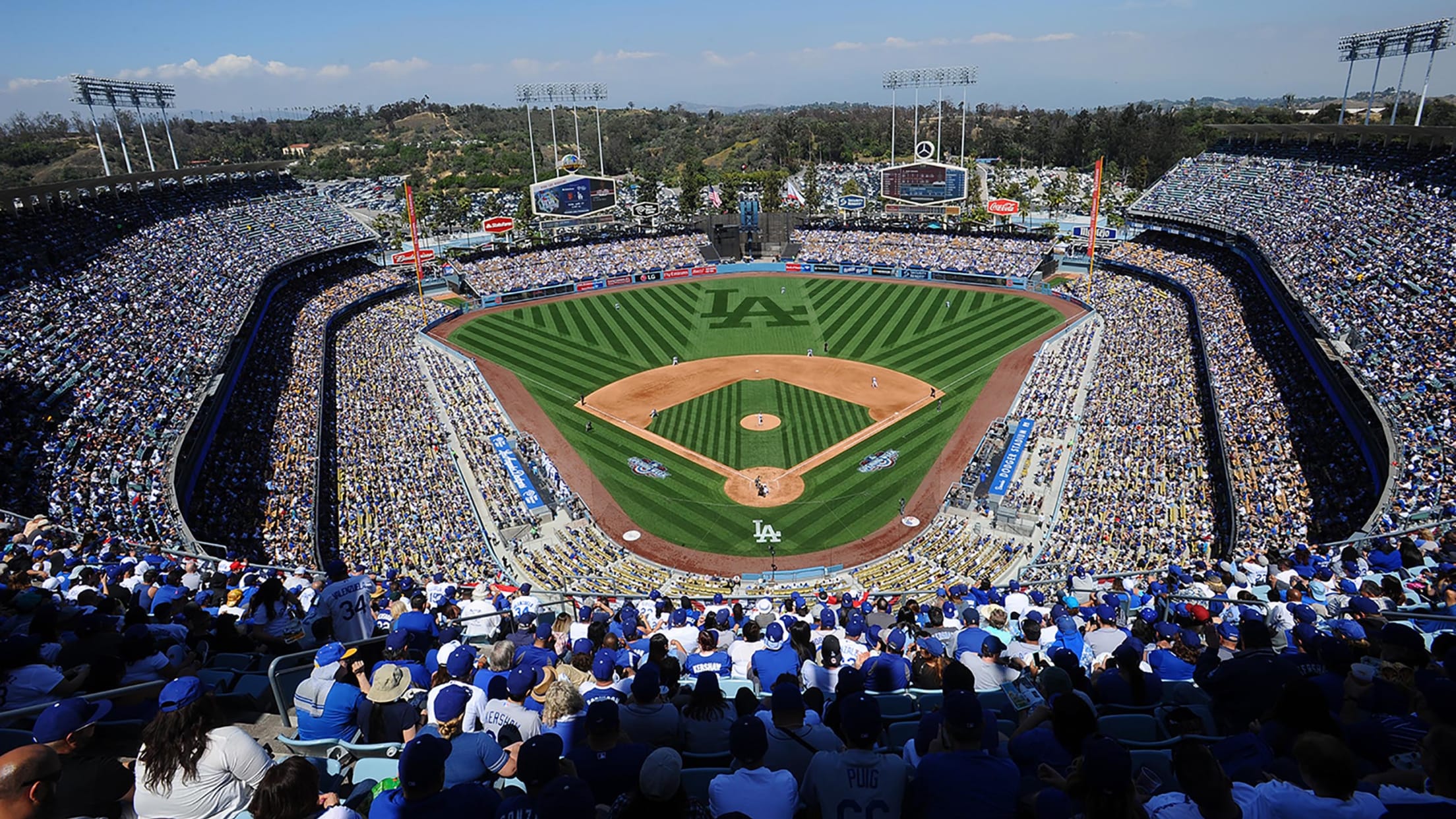
To visit the home of the Dodgers is to step into a piece of living history. Situated in the hills of Elysian Park, the stadium offers more than just a view of the diamond; it provides a panoramic vantage point of the downtown skyline. For the tourist, this location is an architectural marvel of the mid-century modern era, representing a pivotal moment in the expansion of professional sports into the West Coast.

Architectural Heritage and Local Identity
Opened in 1962, the stadium remains the third-oldest ballpark in Major League Baseball. Its design, characterized by its iconic pastel-colored seats and the surrounding landscape, is deeply woven into the local culture. Travelers often find that catching a game here is an essential “local activity,” ranking alongside a stroll through Griffith Park or a visit to the Hollywood Sign.
The Fan Experience as Tourism
The atmosphere inside the park is a microcosm of the city’s diversity. Whether one is a die-hard sports enthusiast or a casual observer, the experience is quintessentially Angelenos. The culinary offerings—ranging from the legendary “Dodger Dog” to modern, locally-inspired fusion dishes—serve as a gateway to the broader food culture of Southern California. It is this intersection of sports, food, and social gathering that defines the stadium as a primary destination for those exploring the city.
Navigating the Sporting Landscape of Los Angeles
For many, the question of where the Dodgers stand is not just about the current standings in their division, but about their physical and symbolic place in the city’s tourism hierarchy. In a city saturated with entertainment options, from the glamour of Beverly Hills to the artistic flair of The Getty Center, professional baseball occupies a unique niche that bridges the gap between leisure and tradition.
Sports Tourism and Economic Impact
Sports tourism has become a major driver for the local economy. Visitors traveling from across the United States or even abroad specifically to see the Dodgers compete contribute significantly to the hospitality sector. Hotels near Downtown Los Angeles and Echo Park frequently see an uptick in bookings during the summer months, aligning with the team’s schedule. This influx of travelers highlights the Dodgers’ role as a landmark attraction that draws foot traffic to otherwise overlooked neighborhoods.
The Team as a Gateway to Local Culture
Beyond the game itself, the Dodgers serve as an ambassador for the city. Marketing campaigns often feature the team alongside iconic city landmarks, reinforcing the idea that the team is synonymous with the urban experience. When tourists look for a “place” to connect with the local spirit, the team provides a narrative that is easily accessible. Watching a game becomes a way to engage with the city’s history, community pride, and modern-day vitality.
Strategic Integration into Your Travel Itinerary
For the traveler looking to maximize their time in the city, integrating a visit to see the Dodgers requires a degree of strategic planning. The stadium’s location allows for a seamless combination of activities, provided one understands the flow of local transit and peak traffic hours.
Combining Games with Nearby Landmarks
A trip to the stadium can be easily paired with other nearby cultural attractions. Because the venue is centrally located, it serves as a perfect anchor for a full day of sightseeing. For instance, a morning spent exploring the botanical exhibits at the Huntington Library can be followed by a late-afternoon commute to the stadium, ensuring that one gets a taste of both the intellectual and the recreational side of the city.
Tips for International and Out-of-State Visitors
For those unfamiliar with the sprawling nature of Los Angeles County, the logistics of reaching the stadium can feel daunting. Utilizing the city’s shuttle services or rideshare options is highly recommended, as it allows visitors to bypass the complexities of navigating massive parking lots. Furthermore, engaging with the team’s community programs or pre-game events can provide a deeper look at how the organization interacts with the local populace, moving the visitor beyond the role of a mere spectator and into the role of a temporary member of the city’s vibrant community.
Looking Beyond the Diamond: A Regional Perspective
The presence of the Dodgers is felt throughout the region. From the street art murals in East Los Angeles that feature team imagery to the official retail outlets located in high-end shopping districts like The Grove, the brand is omnipresent.
Community and Legacy
The Dodgers have cultivated a legacy that transcends wins and losses. Their commitment to community engagement and the preservation of stadium history ensures that the site remains relevant for future generations. This is a crucial aspect of what makes a landmark endure in a fast-moving city like Santa Monica or Venice Beach.

The Future of Stadium Tourism
As the city continues to evolve, the role of the stadium as a tourist destination will likely grow. With planned infrastructure improvements and an increasing focus on sustainable tourism, the connection between the team and the city’s broader appeal is becoming more robust. Visitors are now looking for “authentic” experiences, and a night under the lights, watching the game while the breeze flows through the stadium, remains one of the most honest and engaging ways to experience the spirit of the Pacific Coast.
In conclusion, when considering what place the Dodgers hold in the Southern California landscape, one finds they are far more than a sporting entity. They are a fundamental landmark that provides a focal point for visitors and locals alike. By framing one’s visit around this historic venue, a traveler can gain a profound understanding of the city’s past, present, and ongoing cultural trajectory. Whether you are a baseball enthusiast or a travel aficionado looking to understand the core of the city, the stadium offers a window into the soul of the West.
LifeOutOfTheBox is a participant in the Amazon Services LLC Associates Program, an affiliate advertising program designed to provide a means for sites to earn advertising fees by advertising and linking to Amazon.com. Amazon, the Amazon logo, AmazonSupply, and the AmazonSupply logo are trademarks of Amazon.com, Inc. or its affiliates. As an Amazon Associate we earn affiliate commissions from qualifying purchases.