
The climate of Los Angeles is perhaps the city’s most famous resident. Often described as a Mediterranean paradise, the weather in this sprawling metropolis is defined by its consistency, warmth, and the refreshing influence of the Pacific Ocean. For those planning a journey to Southern California, understanding the atmospheric patterns is essential for curating the perfect itinerary, whether you are visiting the sandy shores of Santa Monica or exploring the hilly trails of Griffith Park.
The Mediterranean Climate Explained
The weather in Los Angeles is characterized by mild, wet winters and warm, dry summers. This predictable nature makes the city a premier destination for travelers year-round. While residents often joke about the city having only two seasons—summer and “not summer”—the nuance of the local climate is far more complex.
Coastal Cooling vs. Inland Heat
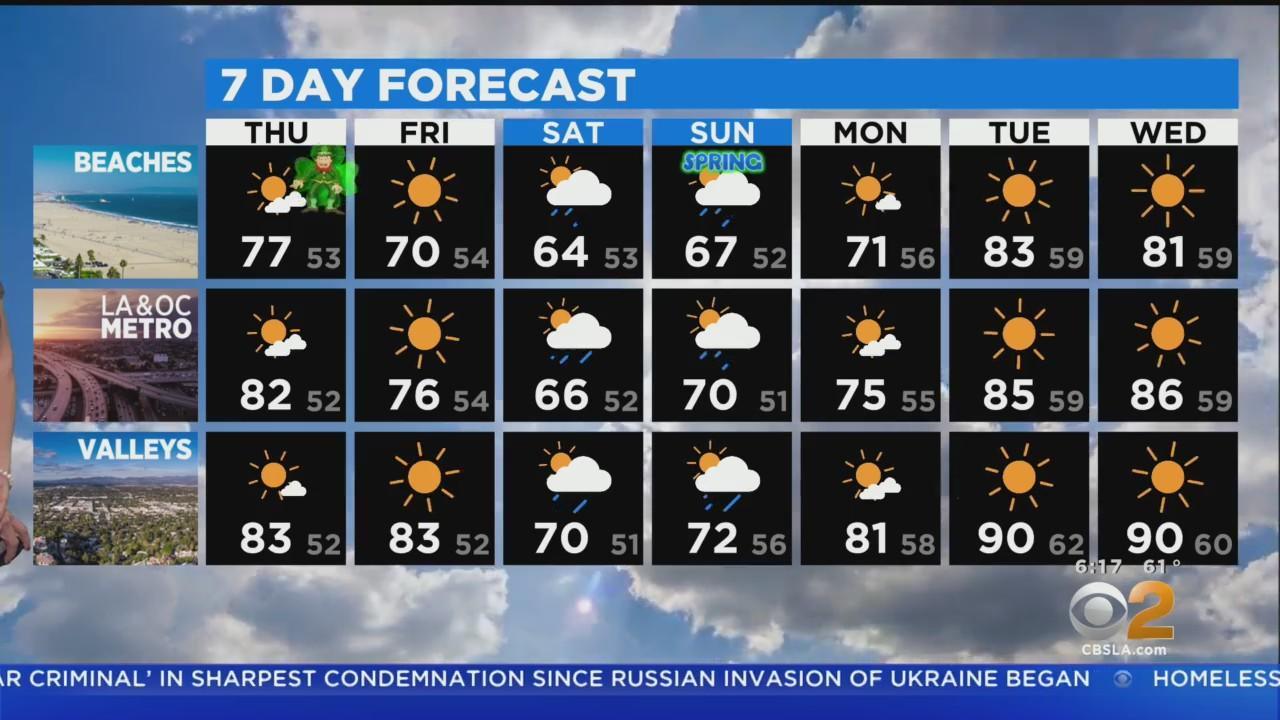
The temperature gradient in this region is stark. If you spend your morning at Venice Beach, you will likely experience a cooling marine layer, a phenomenon where low-level clouds roll in from the ocean, keeping temperatures comfortable even in the height of summer. However, travel just a few miles inland toward the San Fernando Valley, and the temperature can spike by ten to fifteen degrees. This distinction is vital for visitors; checking the weather in Downtown Los Angeles may not give you an accurate picture of what to expect if you are heading to Malibu for the day.
The Marine Layer Phenomenon
Often referred to locally as “June Gloom,” the marine layer is a recurring weather pattern where the coastline is blanketed in gray, misty clouds during the early morning hours. This natural air conditioning is what prevents the coastal regions from becoming excessively hot. By early afternoon, these clouds typically dissipate, giving way to the brilliant, piercing sunshine for which California is world-renowned.
Seasonal Travel Expectations
Planning a trip to this iconic city requires an understanding of how the weather influences local tourism. While the sun rarely goes into hiding, the intensity of the heat and the prevalence of wind can shift significantly depending on the calendar month.
Summer: Peak Sun and Outdoor Adventure
From June through September, the weather is consistently warm and dry. This is the ideal time to explore the architectural majesty of the Getty Center or take a leisurely hike toward the Hollywood Sign. Because the humidity is remarkably low, the heat rarely feels oppressive near the water. However, visitors should always carry hydration, especially when venturing into the Santa Monica Mountains, where the sun can be quite intense during the midday hours.
Winter: The Rainy Season
Between November and March, the region experiences the bulk of its annual rainfall. While “wet” is a relative term in Southern California—often meaning a few days of intermittent showers followed by weeks of clear, crisp blue skies—it is the best time to see the hills turn vibrant green. Winters are mild, making it an excellent time to visit popular spots like The Broad or take a scenic drive through Beverly Hills without the heavy summer crowds.
Navigating the Microclimates
One of the most fascinating aspects of travel in Los Angeles is the presence of microclimates. You could experience a cool, breezy morning at Hermosa Beach and a sweltering afternoon in the canyons of Hollywood.
The Importance of Layering
Travelers are often caught off guard by the rapid temperature shifts that occur when the sun dips below the horizon. As soon as the heat source is removed, the temperature drops rapidly, particularly in coastal areas. It is standard practice for locals to carry a light sweater or a denim jacket, even on days that start with sweltering heat. Whether you are dining at an outdoor terrace in West Hollywood or watching the sunset at Manhattan Beach, layering is the key to maintaining comfort throughout the day.
Wind Patterns and Air Quality
The weather in Los Angeles is also influenced by the Santa Ana winds. These strong, dry, downslope winds originate from the high deserts and bring bouts of extremely warm, dry air. While they often produce the most spectacular, crystal-clear views of the city skyline, they are also a natural element to be aware of when planning outdoor activities. During these times, the air is particularly crisp, making it a perfect moment for photography enthusiasts to head to Elysian Park to capture panoramic views of the city.

Tips for the Modern Traveler
When you look up the weather for Los Angeles, look beyond the simple temperature readout. Consider the proximity to the coast versus the interior valley to gauge your comfort level.
- Check the Coastline: If you are staying in Santa Monica, expect temperatures to be about 5-10 degrees cooler than if you are visiting Universal Studios Hollywood.
- UV Protection: Regardless of the temperature, the sun in California is powerful. Even on overcast days during the “June Gloom,” high-factor sunscreen is a necessity.
- Plan Around the Marine Layer: If you are planning professional photography or a hike at Runyon Canyon, try to schedule it for the afternoon when the clouds have burned off and the visibility is at its peak.
- Embrace the Evenings: Some of the best experiences in Los Angeles occur after the sun sets. The cool evening air is perfect for strolls along the Santa Monica Pier or enjoying dinner in the bustling streets of Koreatown.
Ultimately, the weather in Los Angeles acts as a backdrop to the city’s diverse and vibrant lifestyle. Whether it is a bright, clear day perfect for exploring the Los Angeles County Museum of Art or a crisp winter day ideal for a brisk walk through Echo Park, the climate remains one of the city’s greatest assets. By understanding the ebb and flow of the ocean breeze and the influence of the sun, every traveler can make the most of their stay in this legendary city. Keep your schedule flexible, keep a jacket handy, and prepare to enjoy the endless sunshine that defines the Southern California experience.
LifeOutOfTheBox is a participant in the Amazon Services LLC Associates Program, an affiliate advertising program designed to provide a means for sites to earn advertising fees by advertising and linking to Amazon.com. Amazon, the Amazon logo, AmazonSupply, and the AmazonSupply logo are trademarks of Amazon.com, Inc. or its affiliates. As an Amazon Associate we earn affiliate commissions from qualifying purchases.