
The transition from day to night in Los Angeles is more than just a chronological event; it is a daily transformation of the urban landscape that defines the city’s unique allure. Whether you are a local planner or a visitor mapping out a perfect evening, understanding the solar schedule is essential for capturing the best vistas. As the sun dips toward the horizon, the city’s complex geography—from the sprawling Pacific Ocean to the jagged Santa Monica Mountains—creates a spectacular canvas that draws photographers, romantics, and travelers alike.
Seasonal Variations and Timing
The timing of sunset in California shifts significantly throughout the year, dictated by the Earth’s axial tilt. Understanding these seasonal patterns allows you to better plan your excursions to famous viewpoints like Griffith Observatory or the Santa Monica Pier.

Summer Solstice and Long Evenings
During the height of summer, specifically in June and July, the sun sets quite late in Los Angeles, often lingering until well past 8:00 PM. This extended daylight is a hallmark of the West Coast lifestyle, providing ample time for late-afternoon hikes in Runyon Canyon Park or extended dinners on the terraces of Beverly Hills. The late sunsets facilitate a vibrant nightlife culture, as the “golden hour”—the period shortly before sunset when the light is soft and diffused—stretches out, bathing the architecture of Hollywood in a warm, cinematic glow.
The Shortened Days of Winter
Conversely, as the year draws to a close, the sun descends much earlier. By December, sunset in Southern California can occur as early as 4:45 PM. While this may seem brief, it creates a unique atmosphere for the city. It is the time when the neon signs of Sunset Boulevard flicker to life, and the iconic lights of the Getty Center begin to sparkle against the dark silhouettes of the hills. Despite the shorter days, the winter light in Los Angeles is often remarkably clear, following the occasional winter rains that scrub the air of pollution, offering breathtakingly sharp sunset views.
Prime Locations for Sunset Viewing
Knowing when the sun sets is only half the battle; knowing where to watch it is the key to an unforgettable experience. The city’s diverse topography offers myriad vantage points that cater to different aesthetic preferences.
Coastal Vistas and Marine Layers
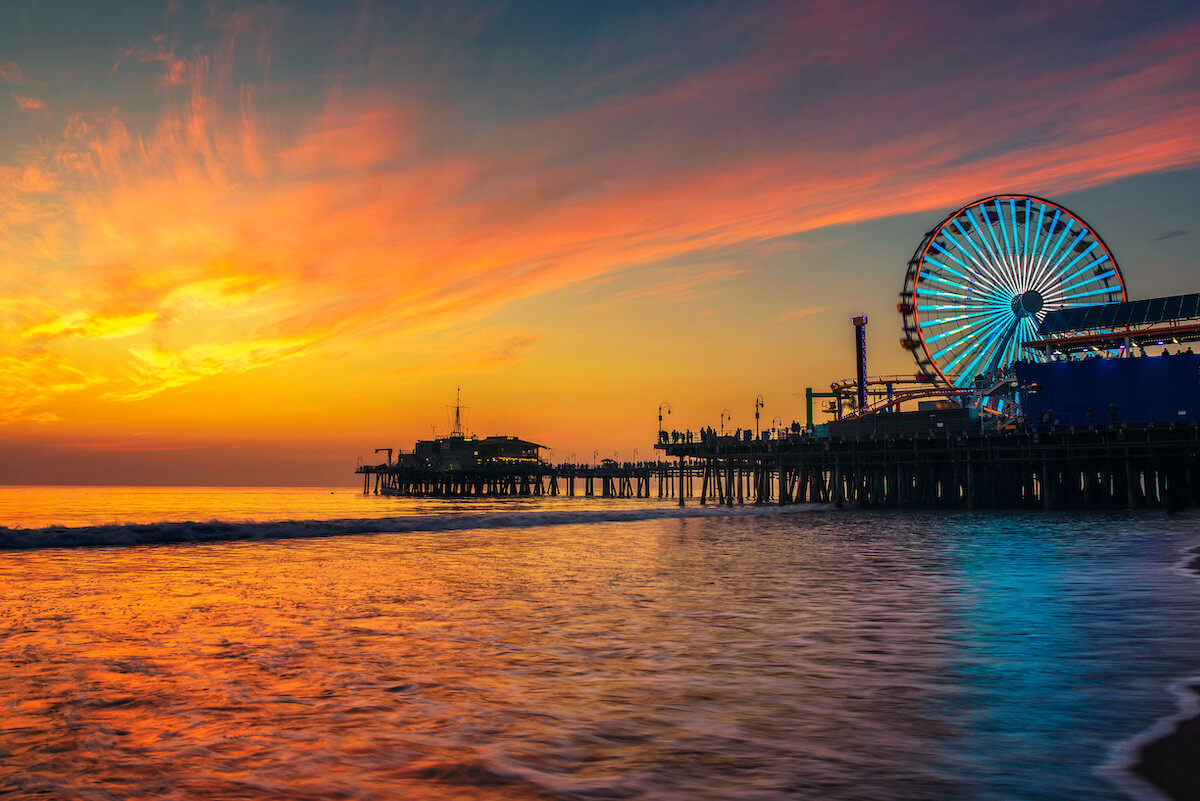
For many, the quintessential Los Angeles experience is watching the sun vanish into the Pacific Ocean. Coastal spots such as Malibu or Venice Beach are iconic. However, visitors should be aware of the “June Gloom,” a phenomenon where a persistent marine layer rolls in from the ocean, obscuring the horizon. While this can sometimes hide the actual moment of sunset, it often creates dramatic cloud formations that turn brilliant shades of violet and orange just as the sun disappears behind the bank of fog.
Elevated Perspectives
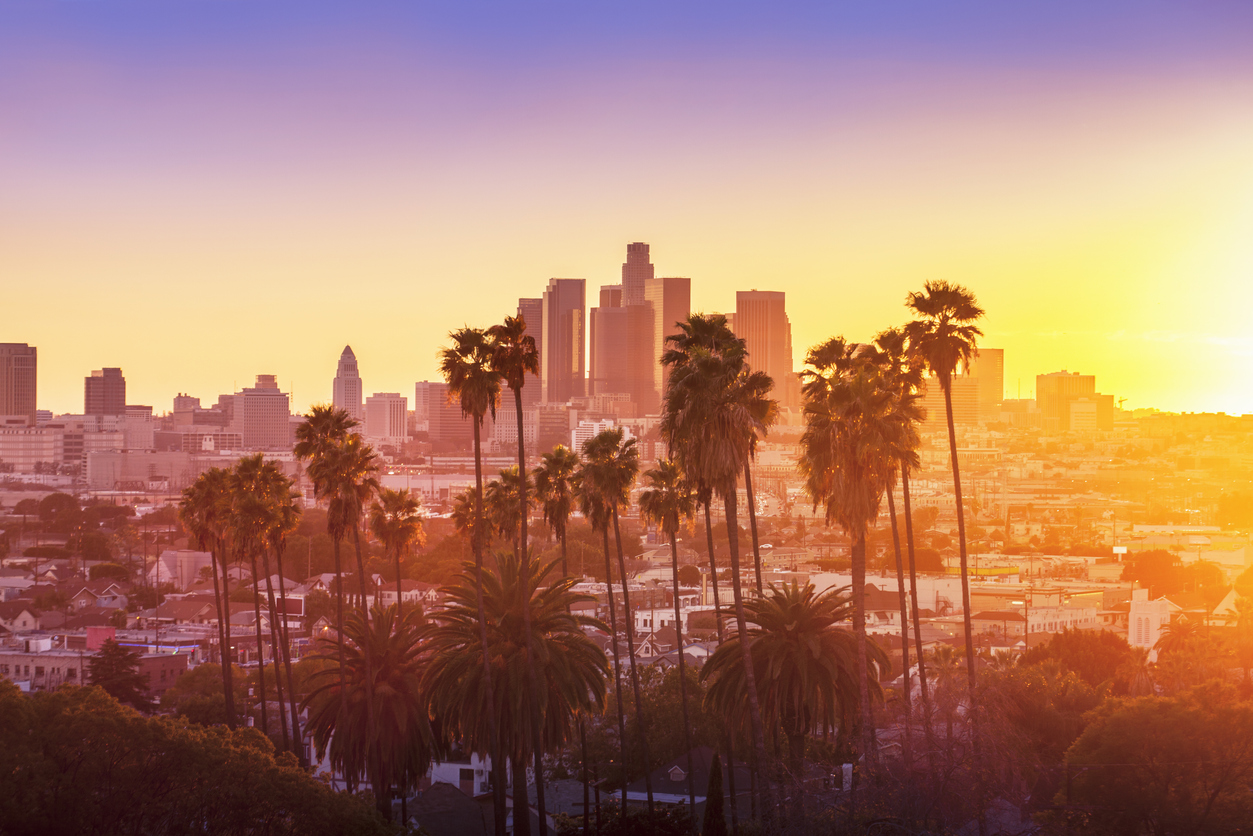
If you prefer a bird’s-eye view, the hills surrounding the Los Angeles Basin are unrivaled. Watching the city transition from daylight to a sprawling sea of artificial lights is a profound experience.
- Griffith Observatory: Perhaps the most famous viewpoint, it offers a panoramic look at the entire urban expanse. As the sun sets behind the Hollywood Sign, the city lights begin to twinkle below in a rhythmic sequence.
- Mulholland Drive: This winding road provides numerous turnouts where you can park and witness the transition from the comfort of your vehicle. It is a favorite among locals for a quick, majestic escape from the city bustle.
- Elysian Park: Offering a more intimate look at the Downtown Los Angeles skyline, this park allows you to see the skyscrapers reflect the dying light of the day.
Understanding the “Golden Hour” Phenomenon
In the film and photography industry, which is deeply rooted in the history of Los Angeles, the hour preceding sunset is known as the “Golden Hour.” During this time, the sun is low on the horizon, producing a soft, warm light that eliminates harsh shadows.
Why Photographers Love It
The atmosphere in the city during this time is unparalleled. The light interacts with the Mediterranean-style architecture and the ubiquitous palm trees, creating long, elegant shadows that define the classic Southern California aesthetic. For those visiting iconic landmarks like the Santa Monica Pier, the golden hour is the absolute best time to capture the contrast between the ferris wheel’s silhouette and the fiery sky.
Planning Your Activities Around the Light
If you are planning to visit major tourist attractions, consider the lighting conditions. Visiting the Hollywood Bowl during the transition to twilight, for instance, adds an extra layer of ambiance to the performance. Similarly, dining at a restaurant in Santa Monica during the 30 minutes leading up to sunset ensures you catch the “magic hour” where the sky transitions through a spectrum of colors—from brilliant yellow to deep magenta—before the onset of true night.
Tips for the Sunset Seeker
To maximize your sunset experience in Los Angeles, keep these logistical tips in mind.
- Factor in Traffic: Traffic in Los Angeles is legendary. If you are heading to a specific location for sunset, leave at least 45 to 60 minutes earlier than you think you need to. Missing the best light because of a jam on the 405 Freeway is a common regret.
- Layer Your Clothing: Even if the day is hot, the temperature drops rapidly as soon as the sun dips below the horizon, especially near the coast. Always carry a light jacket or sweater if you plan on being out through twilight.
- Use Weather Applications: While the sun sets at a predictable time, local conditions like smog or cloud cover can impact visibility. Check local forecasts to see if a marine layer is expected, which might dictate whether you should head to the coast or seek a higher elevation in the Santa Monica Mountains to rise above the fog.
- Stay for Twilight: Do not rush off the moment the sun disappears. The “blue hour”—the period of twilight after the sun has set but before it is fully dark—is often when the city’s lights become most dramatic. This is the moment the city truly comes alive, making it the perfect time to head toward the vibrant streets of West Hollywood or the bustling corridors of Koreatown for an evening meal.
Ultimately, the sunset in Los Angeles is a reminder of the city’s vast, multifaceted nature. By tracking the light and choosing the right vantage point, you elevate a simple turn of the planet into a memorable part of your journey through the City of Angels.
LifeOutOfTheBox is a participant in the Amazon Services LLC Associates Program, an affiliate advertising program designed to provide a means for sites to earn advertising fees by advertising and linking to Amazon.com. Amazon, the Amazon logo, AmazonSupply, and the AmazonSupply logo are trademarks of Amazon.com, Inc. or its affiliates. As an Amazon Associate we earn affiliate commissions from qualifying purchases.