
When travelers plan a trip to Los Angeles, their itineraries are often dominated by the allure of Hollywood, the sun-drenched shores of Santa Monica, and the high-end retail therapy found in Beverly Hills. Yet, for those interested in the sociological fabric and the complex history of the “City of Angels,” questions regarding the historical footprint of organizations like MS-13 occasionally arise. Understanding the geography of gang activity in this massive metropolis requires looking at the historical development of neighborhoods that have shaped the current cultural and demographic landscape of California.
The Historical Context of Neighborhoods in Los Angeles
To grasp the history of street organizations in Los Angeles, one must look toward the mid-20th century, specifically within areas that served as hubs for immigrant communities. MS-13, or Mara Salvatrucha, did not originate in the traditional gang hubs of South Los Angeles like the areas dominated by the Bloods or Crips. Instead, its roots are deeply tied to the Pico-Union and Westlake districts.

The Rise of Pico-Union and Westlake
During the 1980s, these neighborhoods became the primary entry points for refugees fleeing the civil war in El Salvador. The dense, urban housing of Pico-Union provided affordable, albeit crowded, shelter for new arrivals. It was within this specific socioeconomic crucible that youth from displaced families formed groups for protection, which eventually evolved into the transnational entity known today.
While the reputation of these districts has shifted dramatically over the past two decades—with massive redevelopment and an influx of new businesses—the legacy of those years remains a footnote in the history books of the city. For the modern tourist, these areas are now recognized more for their proximity to Downtown Los Angeles and their vibrant Central American food scenes than for the challenges of the past.
The Transformation of Urban Spaces
Los Angeles is a city of constant reinvention. The geography of “troubled” neighborhoods is rarely static. The areas that were associated with gang activity in the 1990s have undergone significant gentrification and demographic shifts.
Gentrification and Community Revitalization
The narrative of Westlake today is one of transition. As real estate values in Downtown Los Angeles have skyrocketed, professional workers and artists have pushed into surrounding neighborhoods, bringing cafes, boutiques, and renovated apartment complexes. This process has diluted the concentrated influence of any single group, effectively transforming once-isolated pockets into diverse, bustling residential corridors.
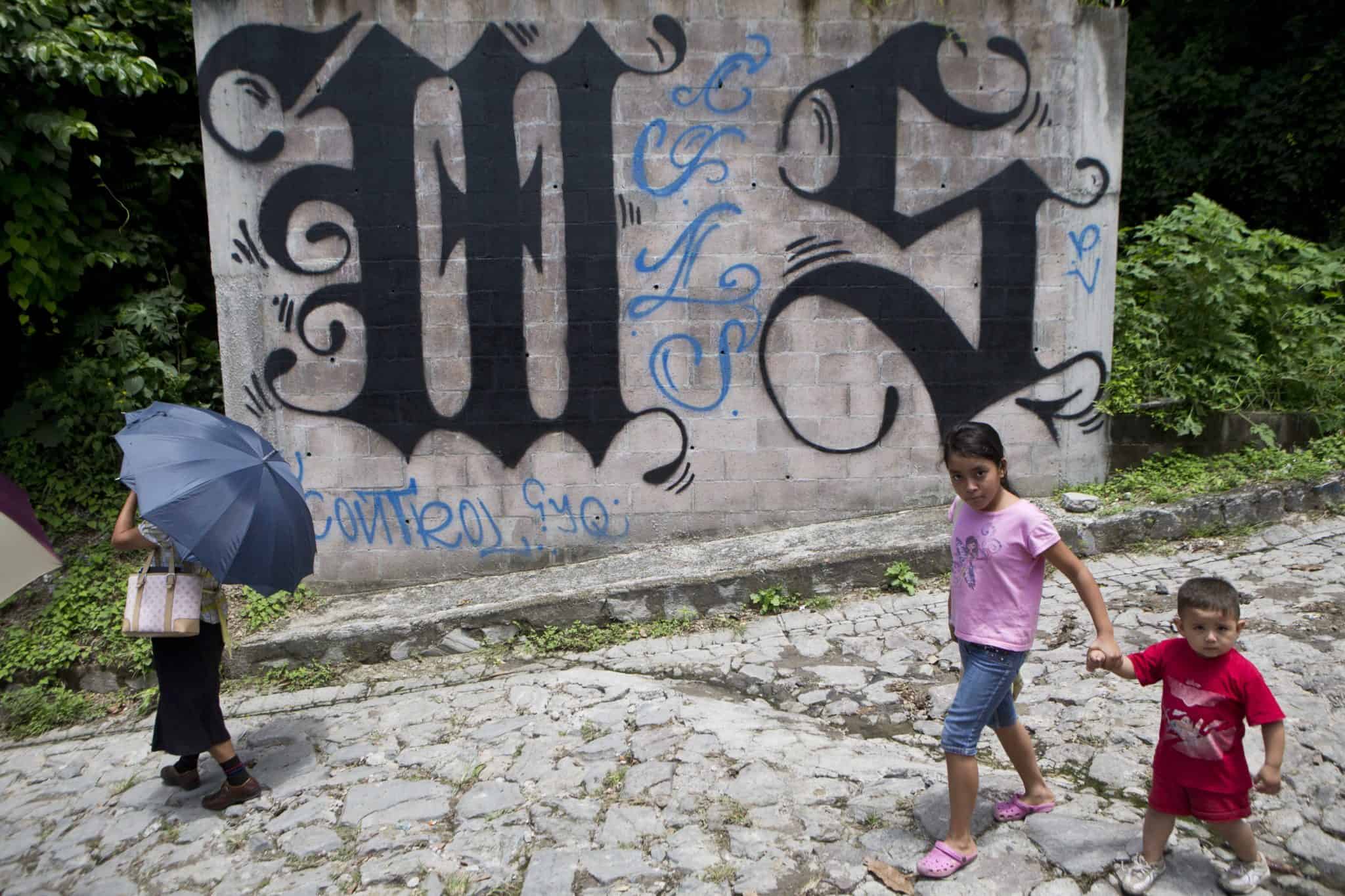
Public safety in these areas has improved significantly. The local authorities, such as the Los Angeles Police Department, have focused on community-based policing initiatives that emphasize neighborhood engagement. Consequently, the presence of specific criminal organizations is far less visible to the casual visitor than it might have been thirty years ago.
Exploring the Culture of Los Angeles Safely
For travelers, the most important aspect of navigating Los Angeles is focusing on the city’s incredible cultural assets. Regardless of a neighborhood’s history, the best advice for any visitor remains consistent: stick to well-traveled, highly visible areas, especially at night, and utilize modern navigation tools to stay informed about the local environment.
Where to Experience Authentic Local Life
If you are interested in the rich culture that flourished in these neighborhoods, the best approach is to visit during the day. Pico-Union and the surrounding areas offer some of the most authentic pupuserias and street food vendors in the country.
- Culinary Tourism: Experience the authentic flavors of El Salvador at local eateries that have served the community for decades.
- Architectural Tours: Many parts of Westlake feature beautiful early 20th-century architecture that reflects the grand history of Los Angeles before the suburban sprawl took over.
- Artistic Hubs: With the rise of new studio spaces, these neighborhoods are becoming increasingly integrated into the Greater Los Angeles arts circuit.
By focusing on the landmarks, the food, and the evolving spirit of the community, tourists can gain a much deeper appreciation for the city than by dwelling on outdated headlines. The “MS-13” narrative is, in many ways, an artifact of an older version of the city. Today’s Los Angeles is a global metropolis characterized by its melting pot of cultures, its massive economic footprint, and its status as a primary destination for global travel.
Understanding the Modern Metropolis
When planning your trip to California, it is helpful to keep perspective. Major cities across the United States have all had to grapple with the complex dynamics of urban change. The focus of the modern visitor should remain on the highlights: the Griffith Observatory, the Getty Center, and the iconic Venice Beach.

Travel Tips for the Conscious Tourist
- Stay Informed: Use reliable travel guides to understand the general safety profile of any neighborhood you intend to visit.
- Support Local: Engaging with local businesses in transitioning neighborhoods contributes to the positive economic growth of the area.
- Respect the History: Recognize that while an area may have a gritty past, it is currently home to hard-working families and growing businesses. Treat every part of Los Angeles with the same curiosity and respect you would offer to Hollywood or Malibu.
Ultimately, the geography of criminal organizations is a temporary phenomenon in the life of a city. The true, enduring story of Los Angeles is found in its resilience, its diversity, and its constant ability to redefine itself. Whether you are walking through the historic corridors of the inner city or relaxing on the coast, remember that you are exploring a massive, interconnected organism that is far more defined by its progress and its future than by the challenges of its past. Enjoy your trip, stay aware, and focus on the myriad of experiences that make this city one of the most exciting destinations in the world.
LifeOutOfTheBox is a participant in the Amazon Services LLC Associates Program, an affiliate advertising program designed to provide a means for sites to earn advertising fees by advertising and linking to Amazon.com. Amazon, the Amazon logo, AmazonSupply, and the AmazonSupply logo are trademarks of Amazon.com, Inc. or its affiliates. As an Amazon Associate we earn affiliate commissions from qualifying purchases.