
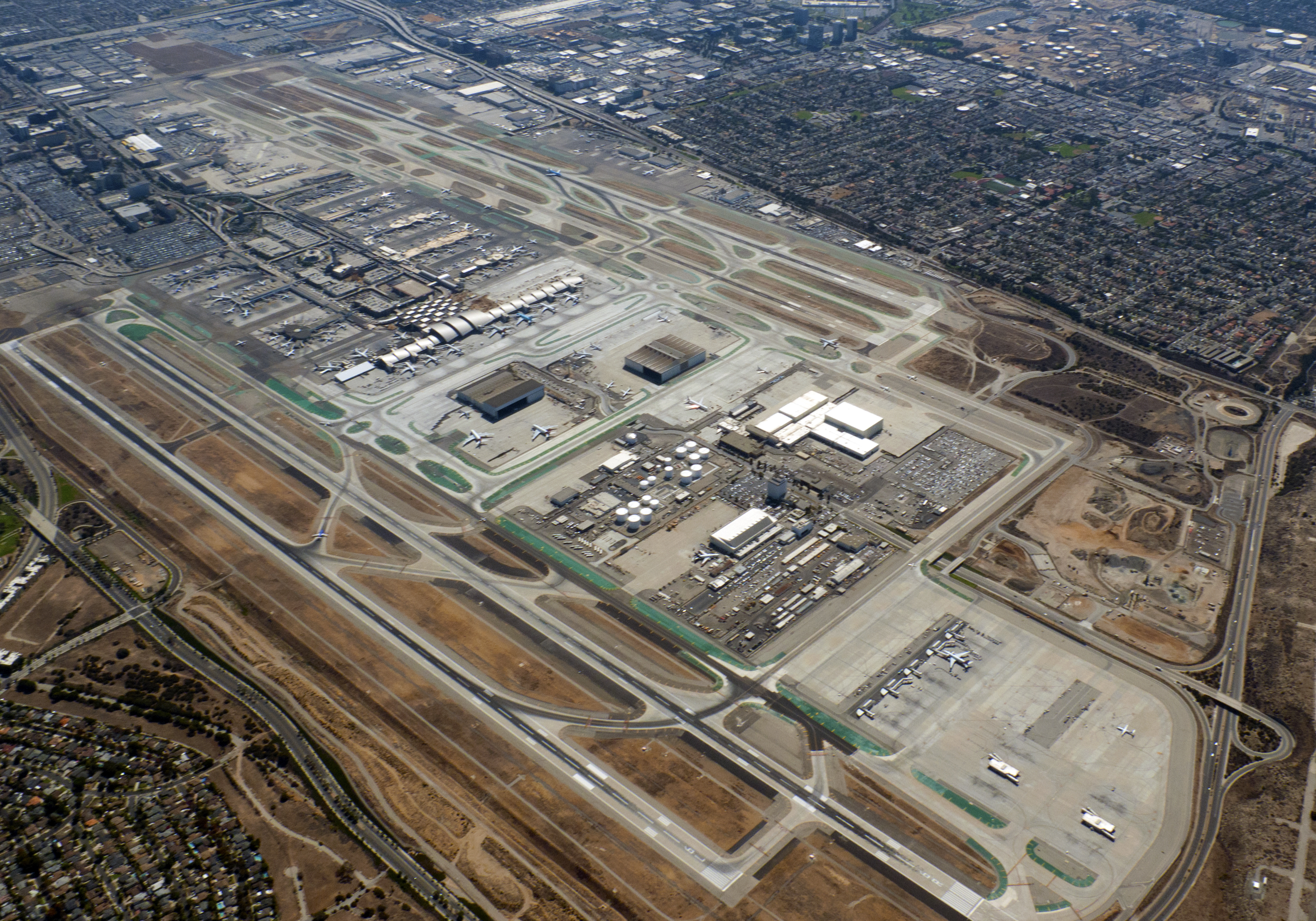
For millions of travelers touching down on the West Coast of the United States, the journey often begins at Los Angeles International Airport. Commonly referred to by its IATA code, LAX, this massive aviation hub is the primary gateway to Southern California. Understanding the location and layout of this sprawling complex is essential for navigating the bustling metropolitan area of Los Angeles.
Geographic Positioning and Access
Located in the Westchester neighborhood, LAX is situated approximately 18 miles southwest of Downtown Los Angeles. Its placement near the Pacific Ocean coastline dictates much of its operational character, as the salt air and ocean breezes influence flight patterns and environmental management.
Proximity to Coastal Communities
The airport sits just a short drive away from iconic beach cities. To the north lies Marina del Rey and Venice Beach, while Manhattan Beach and El Segundo hug the southern and eastern borders of the property. This proximity makes the airport a convenient entry point for tourists heading to the coast, though it also places it at the center of the region’s infamous traffic patterns.
Navigating the Airport Perimeter
The airport is physically bound by Century Boulevard to the north, which serves as the primary artery for those arriving from the 405 Freeway. Travelers approaching from the south often utilize Imperial Highway. Because of the airport’s massive footprint, navigating between the nine passenger terminals requires patience and a clear understanding of the “horseshoe” road configuration that defines the central terminal area.
The Layout of the Terminal Complex
LAX is renowned for its unique, multi-terminal horseshoe design. Unlike many global hubs that feature a centralized terminal building, this airport is composed of nine distinct terminals, each operating with a degree of autonomy.
Terminals 1 Through 8
The numbered terminals form the bulk of the passenger capacity.
- Terminal 1: Primarily serves domestic carriers.
- Terminals 2 and 3: Recently renovated, these serve as hubs for various international and domestic airlines.
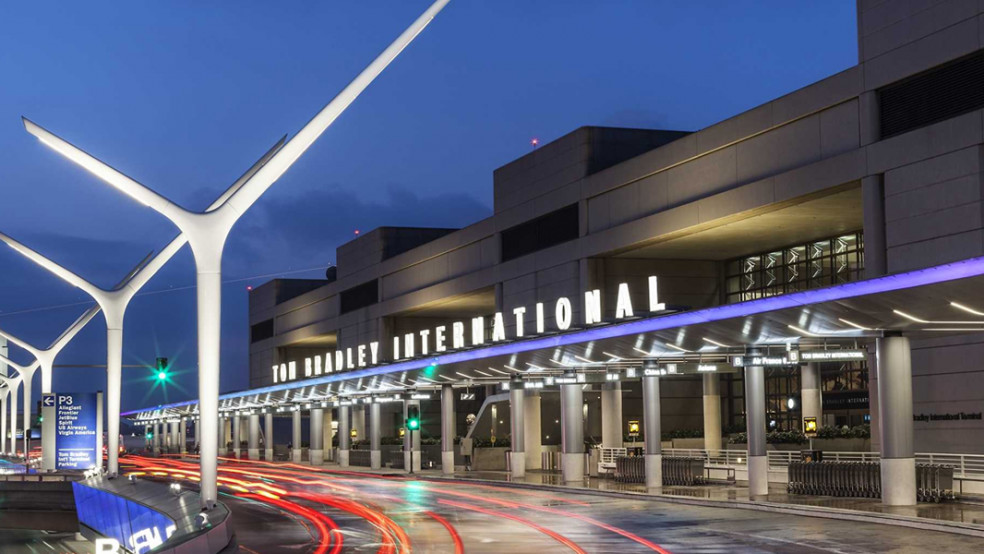
- Tom Bradley International Terminal: This is the crown jewel of the airport. Named after the former mayor of Los Angeles, this terminal handles the vast majority of long-haul international flights. It serves as a stunning piece of modern architecture, featuring expansive vaulted ceilings and high-end retail options.

The Connectivity Challenge
Because the terminals are spread out along the horseshoe, moving between them can be time-consuming. While a shuttle bus service connects the terminals, passengers should always allocate extra time for transit, especially when transferring between domestic and international flights. Plans are currently underway to integrate a more efficient automated people mover system, which will eventually streamline access to the terminals from public transit hubs and parking facilities.
Transportation Strategies for Travelers
Given the geographic sprawl of Los Angeles, figuring out how to get from the airport to your final destination is a critical part of the travel experience.
Driving and Parking
If you are renting a vehicle, you will quickly discover that the rental car facilities are located off-site. You must board a dedicated shuttle bus from the arrivals level to reach the major rental lots. For those being picked up, the LAX-it area—a dedicated lot for ride-share apps like Uber and Lyft—has changed the way passengers connect with their drivers. Moving away from the crowded curbsides of the arrivals level, this system has improved traffic flow but requires passengers to take a shuttle to the designated pick-up zone.
Public Transit Options
While Los Angeles is famous for its car culture, the public transportation infrastructure is evolving. The Metro C Line (formerly the Green Line) connects to a shuttle that brings passengers into the airport grounds. Additionally, the FlyAway bus service offers non-stop transport to key locations like Union Station and Van Nuys. This is often the most cost-effective way to avoid the unpredictable traffic on the I-105 and I-405 freeways.
Cultural Context and Local Landmarks
LAX is not merely a transport facility; it is a landmark in its own right. The Theme Building, with its iconic mid-century modern “Googie” architecture, stands as a testament to the space-age optimism of the 1960s. Even as the airport expands and modernizes, this structure remains a symbol of the California aesthetic.
Surrounding Attractions
For travelers with long layovers, the location of LAX offers quick access to some of the area’s most famous spots. A short trip can bring you to the Getty Center, where art and architecture meet, or to the vibrant streets of Santa Monica. Being situated in the South Bay region means that visitors are never more than a few miles from the coastline.
Planning Your Arrival and Departure
When booking flights to Los Angeles, it is helpful to keep in mind that LAX experiences peak congestion during typical commute hours—7:00 AM to 10:00 AM and 3:00 PM to 7:00 PM. During these times, the roads leading to the terminal horseshoe can become significantly backed up. If your itinerary allows, aim for mid-day arrivals or late-night departures to save yourself from unnecessary stress.
Furthermore, checking the official LAX website for real-time construction updates and terminal changes is a professional tip for the savvy traveler. The airport is in a perpetual state of improvement to accommodate the growing number of visitors from Asia, Europe, and beyond, ensuring that Los Angeles remains a world-class destination. Whether you are arriving for a business trip or a leisure vacation, knowing where LAX is located and how to move through it will provide a much smoother transition into the heart of Southern California.
LifeOutOfTheBox is a participant in the Amazon Services LLC Associates Program, an affiliate advertising program designed to provide a means for sites to earn advertising fees by advertising and linking to Amazon.com. Amazon, the Amazon logo, AmazonSupply, and the AmazonSupply logo are trademarks of Amazon.com, Inc. or its affiliates. As an Amazon Associate we earn affiliate commissions from qualifying purchases.