
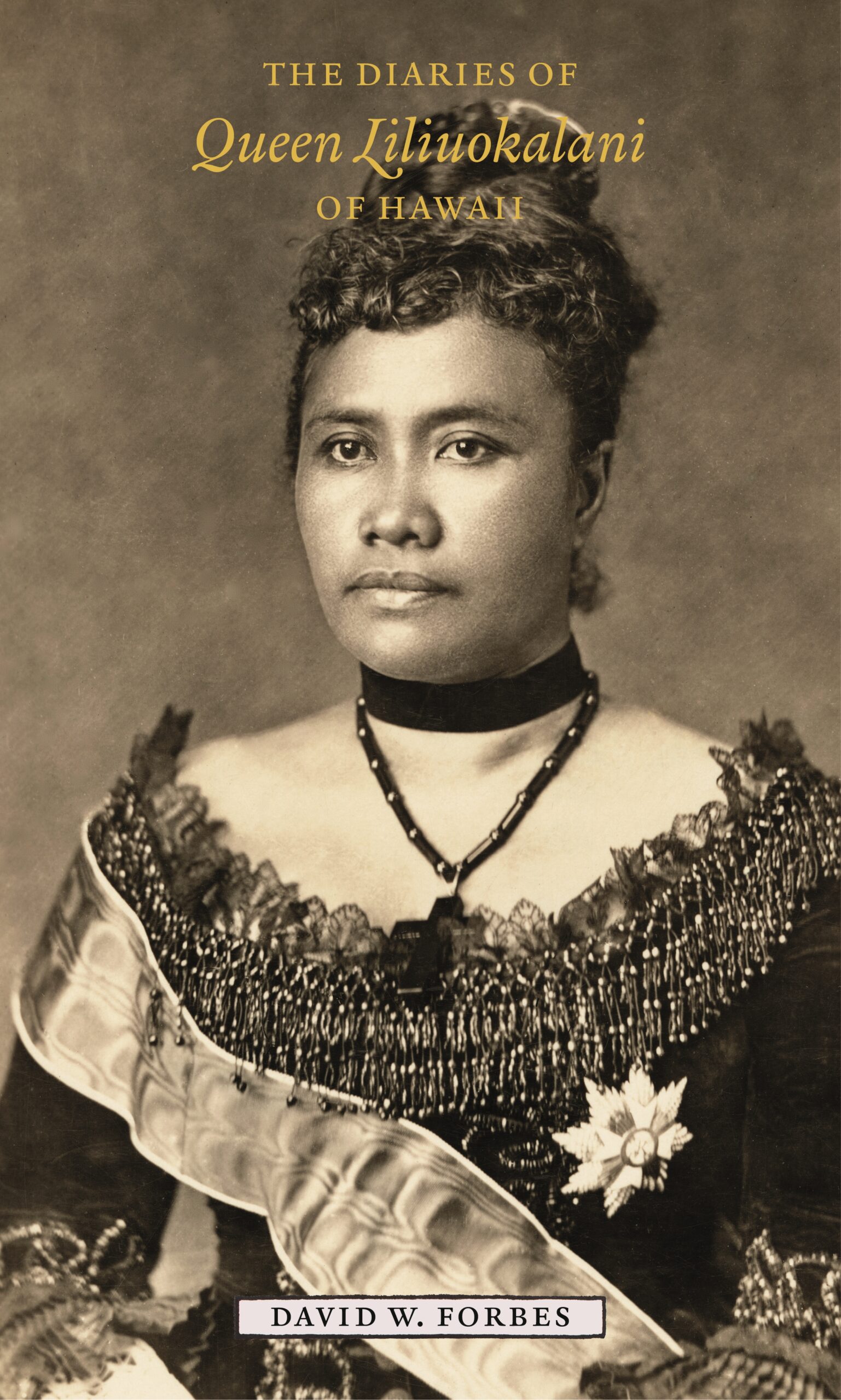
The history of the Hawaiian Islands is a tapestry woven with regal traditions, political intrigue, and a profound cultural identity that persists to this day. Central to this narrative is Queen Liliuokalani, the final sovereign monarch of the Kingdom of Hawaii. Her reign, though brief, represents a pivotal moment in the history of the Pacific Ocean and stands as a testament to the resilience of the Hawaiian people.
The Rise of a Sovereign Leader
Born as Lydia Liliʻu Loloku Walania Wewehi Kamakaʻeha, Liliuokalani was born into the high-ranking Aliʻi class. Her upbringing in Honolulu was shaped by both traditional Hawaiian customs and the encroaching influence of Western missionaries. She was deeply educated and musically gifted, a woman of intellect who understood that her nation was at a crossroads.

Ascent to the Throne
Following the death of her brother, King Kalakaua, in 1891, she ascended to the throne. Her accession was a time of immense pressure. The monarchy was already constrained by the “Bayonet Constitution,” a document forced upon her brother by a group of foreign-born business interests, primarily Americans, that stripped the monarch of significant power and disenfranchised many native Hawaiians.
Commitment to the People
Upon becoming Queen, Liliuokalani traveled throughout the islands to connect with her subjects. She observed the deep desire among the native population for a new constitution that would restore power to the crown and protect the rights of the common people. Her commitment to her people was absolute, as she recognized that the encroachment of foreign influence threatened the very soul of the Hawaiian way of life.
The Overthrow and the End of a Monarchy
The tension between the Hawaiian Monarchy and the influential American sugar plantation owners reached a boiling point in the early 1890s. The economic interests of these groups, combined with a desire to see Hawaii annexed by the United States, laid the groundwork for a coup.
The Coup d’État of 1893
In January 1893, a Committee of Safety, backed by the presence of United States Marines, staged a coup against the Queen. To avoid bloodshed, Liliuokalani made the agonizing decision to surrender her authority under protest. She believed that the American government would investigate the situation and restore her to her rightful position. However, this expectation remained unfulfilled as the provisional government solidified its hold over the islands.
Imprisonment and Resilience
Following a failed attempt by royalist forces to restore the monarchy in 1895, the Queen was placed under house arrest at Iolani Palace. During her months of confinement, she continued to lead with quiet strength. She spent much of her time composing music, most famously “Aloha Oe,” which became a lasting anthem of the Hawaiian spirit and a poignant reminder of the love she held for her country and her people.
The Legacy of the Last Queen
The impact of Queen Liliuokalani extends far beyond the borders of her former kingdom. She remained a symbol of dignity and resistance long after the overthrow.
A Cultural Icon
Today, her presence is felt across the Hawaiian Islands. Sites like Iolani Palace remain as monuments to her history, serving as a focal point for understanding the complexities of the past. Tourists visiting Honolulu often make this site a priority, as it offers a window into the opulent yet turbulent life of the royal family.
Historical Reverberation
The annexation of Hawaii by the United States in 1898 marked the official end of the sovereign Kingdom of Hawaii. However, the narrative of the last Queen serves as an enduring foundation for the sovereignty movement and the ongoing preservation of native language, hula, and traditions.
Remembering the Queen in Modern Times
Travelers visiting the islands today have the opportunity to engage deeply with the legacy of the monarchy. Understanding the history of Liliuokalani provides necessary context for any visit to Oahu or the outer islands.
Educational Tourism
The Bernice Pauahi Bishop Museum holds extensive collections related to the Hawaiian monarchy. For those interested in the history of the Pacific, this institution provides invaluable insight into the artifacts, personal items, and historical documents that define the Queen’s life. Engaging with these resources allows for a deeper appreciation of the cultural pride that defines modern Hawaii.

Preserving the Spirit of Aloha
The legacy of Liliuokalani is ultimately one of peace. By choosing to step down rather than incite a war that would have devastated her people, she embodied the highest ideal of leadership. As travelers explore the natural beauty of the Pacific Ocean and the lush landscapes of the archipelago, they are invited to reflect on the historical weight of the land they traverse.
The story of the last Queen is a reminder that landmarks are not merely physical structures—they are repositories of memory. Whether visiting Iolani Palace or learning about the songs she composed, visitors connect with a leader who, though she lost her crown, never lost the hearts of her people. Her story is fundamentally linked to the enduring strength and unique identity of the Hawaiian Islands.
Understanding her life encourages a more thoughtful approach to tourism—one that honors the past, respects the present, and ensures that the story of the Kingdom of Hawaii continues to be told with accuracy and reverence. Through the preservation of history and the ongoing cultural dialogue, the influence of Queen Liliuokalani remains as vibrant as the islands themselves.
LifeOutOfTheBox is a participant in the Amazon Services LLC Associates Program, an affiliate advertising program designed to provide a means for sites to earn advertising fees by advertising and linking to Amazon.com. Amazon, the Amazon logo, AmazonSupply, and the AmazonSupply logo are trademarks of Amazon.com, Inc. or its affiliates. As an Amazon Associate we earn affiliate commissions from qualifying purchases.