
The Los Angeles Clippers stand as a cornerstone of the professional sports landscape in California. While the team’s performance on the court often dominates headlines, the story behind its ownership is a fascinating case study in business, ambition, and the transformation of a franchise. Understanding who pulls the strings behind this National Basketball Association team offers a unique glimpse into the intersection of global commerce and the vibrant culture of Los Angeles.
The Steve Ballmer Era: A New Vision for Success
In 2014, the trajectory of the franchise changed forever when Steve Ballmer, the former CEO of Microsoft, purchased the team. This acquisition marked one of the most significant shifts in ownership history, injecting both massive capital and a high-energy management style into the organization.
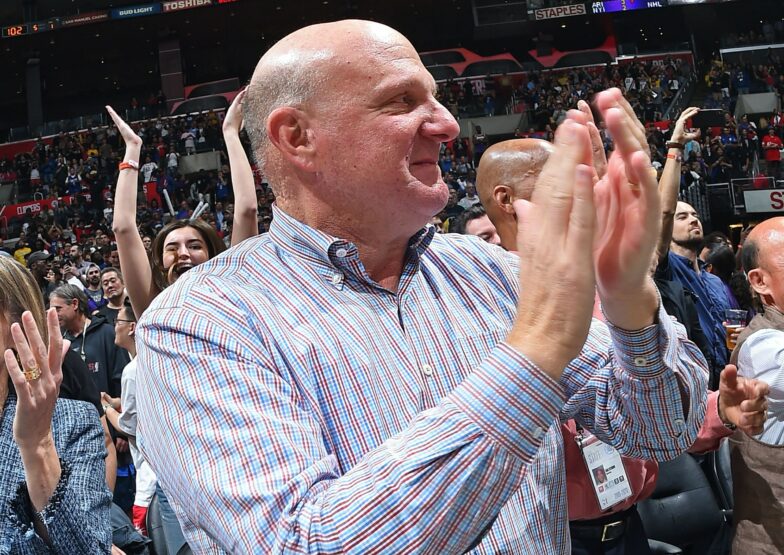
From Tech Giant to Sports Mogul
Ballmer’s transition from the tech sector to professional basketball was not merely an investment; it was an active commitment to transforming the team’s identity. By purchasing the franchise for a record-breaking $2 billion, Ballmer signaled that the Clippers were no longer a secondary entity in the shadow of their cross-town rivals, the Los Angeles Lakers. His leadership style, characterized by infectious enthusiasm and a desire for structural excellence, has redefined the fan experience and organizational culture.
Strategic Investments in Infrastructure
Beyond roster construction, Ballmer has focused on building a permanent home for the team. The move to develop the Intuit Dome in Inglewood represents a monumental effort to establish a distinct brand identity. By creating a bespoke arena, the ownership aims to provide a fan experience that is tailored specifically to the needs and desires of their local base, effectively moving the team out of the shared space at the Crypto.com Arena.
Historical Context: The Pre-Ballmer Years
To appreciate the current state of the organization, one must look back at the era that preceded Ballmer’s arrival. For over three decades, the team was under the ownership of Donald Sterling. This period was marked by long-standing struggles, both in terms of on-court achievements and public perception.
The Transformation of the Franchise
The shift in ownership in 2014 was prompted by a public scandal that forced a change in leadership. The subsequent sale was a watershed moment, not just for the team, but for the United States sports industry at large. The transition allowed for a total restructuring of the team’s front office, ushering in a culture of accountability that had been absent for years. This change allowed the team to attract marquee talent, such as Kawhi Leonard and Paul George, who might have previously viewed the franchise with skepticism.

Establishing Stability in the Market
The stability provided by the current ownership group has been instrumental in securing long-term sponsorships and media partnerships. By fostering a professional environment, the ownership has stabilized the franchise’s standing within the competitive Western Conference. This stability has resonated with the local community, creating a more cohesive bond between the team and the city that hosts it.
The Future of the Clippers and Sports Tourism
The impact of ownership extends far beyond the players on the hardwood. By investing in a new arena and emphasizing the importance of community engagement, the organization is actively shaping the landscape of modern sports tourism in Southern California.
The Intuit Dome and Local Development
The Intuit Dome is not just a basketball stadium; it is designed to be a centerpiece for economic development. Located near Los Angeles International Airport, the venue is positioned to become a major attraction for international visitors and sports enthusiasts. As the franchise grows, the surrounding infrastructure—including hotels, retail spaces, and transportation links—will likely see a surge in activity, cementing the team’s role as a major driver of the local economy.
Attracting a Global Audience
Under the current stewardship, the team has expanded its marketing reach, aiming to attract fans from beyond the North America region. Through international exhibition games, digital engagement, and a focus on high-quality production, the organization is elevating its status on the global stage. This strategy aligns with the broader goals of Los Angeles as a premier destination for global events, including the upcoming Olympic Games.
Engaging the Community and Fan Culture
Owning a sports franchise requires more than just capital; it requires a connection to the city. The ownership has prioritized deep-rooted community initiatives, ensuring that the team is viewed as a vital part of the Los Angeles fabric.
Community Outreach Programs
The organization has invested heavily in local programs, focusing on education, youth development, and social justice. By sponsoring local events at landmarks like Grand Park and partnering with local schools, the team has fostered a sense of loyalty among residents. This commitment to the community helps sustain interest in the brand, even during off-seasons, and ensures that the team remains relevant in a crowded media market.

Cultivating a Unique Fan Identity
While the legacy teams in the region have long-established histories, the current ownership has worked to cultivate a distinct, modern identity for the Clippers. This involves high-energy social media presence, modernized branding, and a relentless focus on the “Clippers Nation” community. By empowering supporters and creating unique game-day experiences, the ownership has successfully carved out a significant niche in the city’s sports landscape.
As the team prepares for the next chapter in their new arena, the vision established by Steve Ballmer remains the driving force. With a focus on state-of-the-art technology, community integration, and long-term success, the ownership has transitioned the team from a perennial underdog to a central pillar of the cultural and sporting identity of Southern California. The future of the franchise is inextricably linked to this vision, ensuring that the team will continue to influence both the professional basketball world and the vibrant urban environment of Los Angeles for years to come.
LifeOutOfTheBox is a participant in the Amazon Services LLC Associates Program, an affiliate advertising program designed to provide a means for sites to earn advertising fees by advertising and linking to Amazon.com. Amazon, the Amazon logo, AmazonSupply, and the AmazonSupply logo are trademarks of Amazon.com, Inc. or its affiliates. As an Amazon Associate we earn affiliate commissions from qualifying purchases.