
For many digital nomads, retirees, and frequent travelers considering a move to the vibrant, swamp-filled landscapes of Louisiana, the financial implications of residency are often as important as the quality of the local cuisine. Understanding the tax landscape is a fundamental step in determining whether this culturally rich state is a viable place to establish a primary residence or a secondary home base. Whether you are dreaming of the jazz-filled streets of New Orleans or the historical charm of Baton Rouge, knowing the fiscal reality is key.
The Current State Income Tax Framework
The short answer is yes—Louisiana does impose a state income tax on its residents. Unlike states such as Texas or Florida, which rely heavily on sales and property taxes to fund their government operations, Louisiana utilizes a graduated income tax system. This means that your tax liability is calculated based on various income brackets, with rates increasing as your taxable income grows.

Understanding Graduated Brackets
The tax structure in Louisiana is designed to be progressive, although it remains relatively modest compared to states with high income taxes like California or New York. For most individuals, the rates generally range from 1.85% to 4.25%. While these percentages might appear manageable at a glance, they represent a recurring cost for anyone establishing tax residency within the state.
Deductions and Exemptions
It is important to note that the state offers various standard deductions and exemptions that can significantly lower your effective tax rate. For travelers and professionals working remotely from historic districts like the French Quarter, understanding how to navigate these state-specific deductions can make a world of difference. Consulting with a local tax professional familiar with the Louisiana Department of Revenue guidelines is highly recommended for anyone looking to optimize their personal finances while living in the Pelican State.
Weighing the Cost of Living and Tax Impact
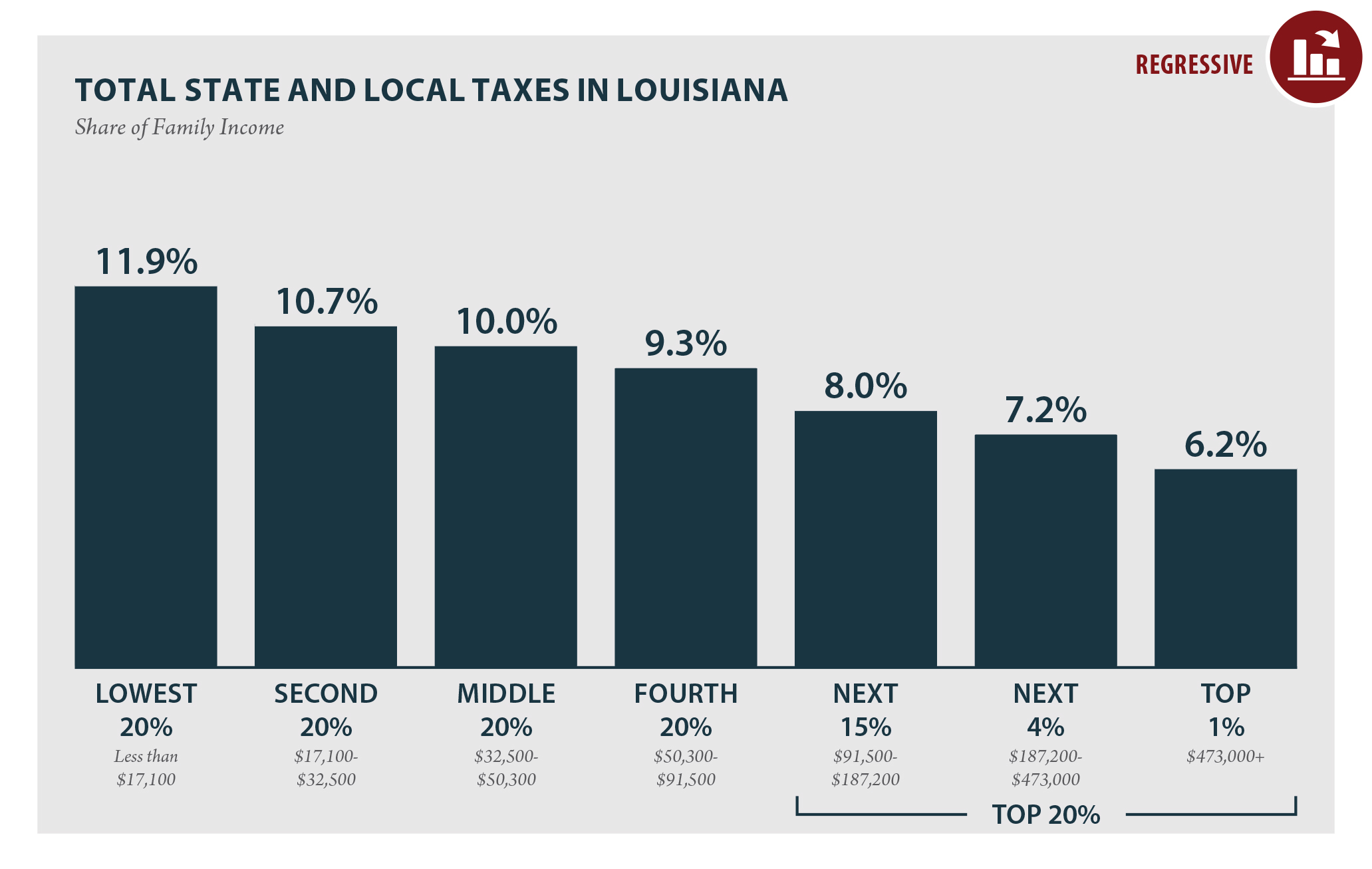
When evaluating whether Louisiana is the right place for your lifestyle, it is vital to look beyond just income tax. You must consider the broader fiscal environment, including the state’s approach to property and sales taxes, which often dictate the overall “tax burden” on a resident.
Sales and Property Tax Considerations
While the income tax is a factor, Louisiana is often characterized by a unique combination of sales tax rates. In cities like Lafayette or Shreveport, local jurisdictions often tack on additional sales tax percentages on top of the state rate. This can affect the cost of goods, dining out, and shopping experiences.
Conversely, property taxes in Louisiana are among the lowest in the United States. For those looking to purchase a home in a charming area like Garden District or St. Charles Avenue, the savings on annual property tax assessments might effectively offset the costs associated with the state income tax. This trade-off is a common point of discussion for those looking to relocate to the region.

Hidden Fiscal Benefits
Beyond the math, one must consider the lifestyle value. If you are a traveler who appreciates the unique culture found in places like Jackson Square, the cost of the state income tax is often viewed as a contribution toward maintaining the historic architecture, festivals, and infrastructure that make Louisiana such a compelling destination for tourists and residents alike.
Strategic Financial Planning for Travelers
For the modern lifestyle enthusiast, living in Louisiana requires a specific type of financial planning. Because the tax code changes periodically, keeping up to date with legislative adjustments is essential for anyone maintaining a long-term presence in the state.
Residency Requirements and Compliance
If you are considering moving to Louisiana to enjoy the vibrant culture of cities like Lake Charles, you must clearly establish residency. State income tax typically applies to all income earned by residents, regardless of where that income originated. If you spend significant time in the state, even if you travel extensively through the Gulf Coast region, you may be classified as a resident for tax purposes.
The Value of Professional Guidance
The complexities of tax law in the South can be daunting. Before making a permanent move to cities such as Monroe or Alexandria, gather your financial documents and map out your projected earnings. Having a clear picture of your tax liability allows you to focus on the things that truly matter: exploring the Mississippi River, enjoying the world-class food scene, and engaging with the local community.
Lifestyle vs. Liability: Is it Worth It?
Ultimately, the decision to live in Louisiana usually centers on lifestyle rather than just tax avoidance. While there are states with zero income tax, few possess the soul and character found in the bayous of the Atchafalaya Basin or the historic streets of Natchitoches.
The Cultural Dividend
When you pay your income tax in Louisiana, you are participating in the support of a state that prioritizes music, art, and community. From the Cajun Country to the bustling ports of the coast, the state offers a return on investment that goes beyond money. The quality of life—defined by incredible cuisine like gumbo and jambalaya, the preservation of historical landmarks, and the warm, welcoming nature of the local populace—is a factor that many residents weigh heavily against their tax obligations.
Preparing for Your Move
If you decide that the cultural and environmental benefits outweigh the fiscal costs, ensure that you prepare your finances in advance. Organize your tax filings, understand your bracket, and consider how the lower property taxes might benefit your long-term housing strategy. Whether you are moving to a luxury condo near the Superdome or a quiet residential home in the outskirts, being informed ensures that your transition to Louisiana is seamless and stress-free.
By staying informed about your obligations to the state, you can spend more time enjoying your surroundings and less time worrying about your paperwork. As you immerse yourself in the local lifestyle, you will likely find that the financial landscape is merely one part of a much larger, more rewarding story.
LifeOutOfTheBox is a participant in the Amazon Services LLC Associates Program, an affiliate advertising program designed to provide a means for sites to earn advertising fees by advertising and linking to Amazon.com. Amazon, the Amazon logo, AmazonSupply, and the AmazonSupply logo are trademarks of Amazon.com, Inc. or its affiliates. As an Amazon Associate we earn affiliate commissions from qualifying purchases.