
When travelers imagine the rugged landscapes of the United States, their minds often drift to the soaring peaks of the Rocky Mountains or the ancient, weathered ridges of the Appalachian Mountains. Those seeking high-altitude adventure rarely point their compass toward Louisiana. Known primarily for its sprawling deltas, winding bayous, and vibrant coastal culture, the Pelican State presents a topography that is distinctly flat. To answer the question directly: No, Louisiana does not possess true mountain ranges. However, to dismiss the state as entirely featureless would be to overlook a unique geological character that offers its own form of natural majesty.
The Geological Reality: A Landscape Shaped by Water
The lack of mountains in Louisiana is not a historical accident, but rather the result of millions of years of deposition. The state is essentially the grand finale of the Mississippi River system. As the river has meandered across the continent for eons, it has deposited massive amounts of nutrient-rich sediment into the Gulf of Mexico. This ongoing process of land-building has created a low-lying alluvial plain that defines the majority of the state’s interior.
The Lowest Elevation in the South
Because the state is built upon layers of river sediment, its elevation remains remarkably close to sea level. The highest point in the entire state is Driskill Mountain, located in Bienville Parish. Standing at a modest 535 feet above sea level, it would barely qualify as a significant hill in states like Colorado or Montana. Despite its name, Driskill Mountain is geologically categorized as a high point of the North Louisiana Uplands, rather than a mountain in the tectonic sense.
The Role of Salt Domes
While the state lacks traditional mountain folds, it features a fascinating geological quirk known as salt domes. These underground structures occur when massive deposits of ancient salt are forced upward through layers of rock. In places like Avery Island, these domes push the earth upward, creating distinctive elevated terrain that stands in stark contrast to the surrounding marshlands. These “islands” provided natural high ground for early settlers and remain vital hubs for both agriculture and industry, including the world-famous Tabasco pepper sauce production facility.
Exploring Natural Elevations Beyond the Peaks
Even without the presence of traditional mountains, Louisiana offers diverse terrain that invites outdoor exploration. The state’s natural beauty is found in its verticality—not through elevation, but through the dense, towering canopy of the Atchafalaya Basin and the ancient cypress forests that define the landscape.
The North Louisiana Uplands
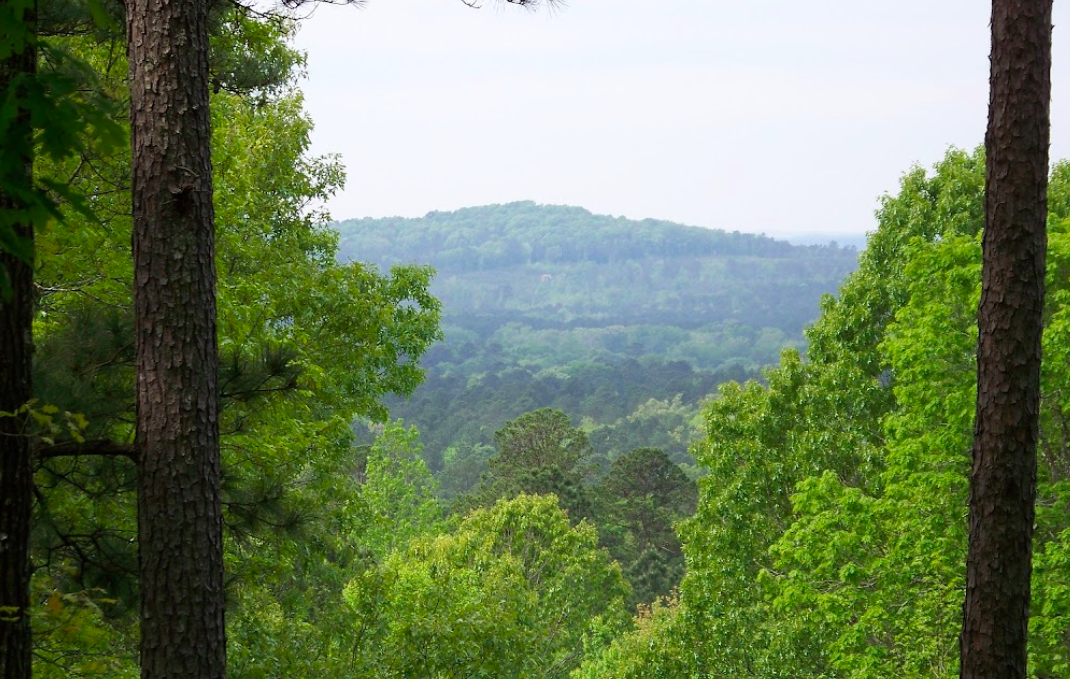
The northern portion of the state is characterized by rolling hills, pine forests, and a much more temperate, wooded aesthetic than the coastal plains. Areas around Shreveport and Monroe offer a glimpse into the transition zone between the Gulf Coast and the more rugged terrain of Arkansas. Here, visitors can find hiking trails that mimic the feel of mountain paths, winding through deep forests and along the banks of the Ouachita River.

The Blufflands of the Mississippi
Another surprising feature of the state is the Loess Hills or the “Blufflands” that run along the Mississippi River. As one travels north from Baton Rouge toward St. Francisville, the land begins to rise into dramatic, wind-blown silt cliffs. These bluffs provide breathtaking views over the river valley and support a unique ecosystem that feels entirely separate from the swampy regions of the south. These areas have been historically significant, serving as the sites for many grand plantations and preserved historic districts.
The Cultural Significance of Elevation
In a state where “high ground” is a literal matter of survival, topography has profoundly influenced the development of Louisiana culture. The ability to find a spot of land that stays above the floodwaters has dictated where cities were built, where roads were laid, and where the heart of the state’s history beats.
Cities Built on High Ground
Cities like New Orleans began as a small strip of land along the Mississippi River that was naturally higher than the surrounding swamp. The “Natural Levee” formed by the river’s sediment provided the essential footprint for the French Quarter and the subsequent growth of the city. The struggle against the water has been the central theme of Louisiana engineering, leading to a complex, artificial landscape of levees and pump stations that replace the missing mountain barriers.
Landscapes of the Soul
While one might travel to the Rocky Mountains for awe-inspiring altitude, one travels to Louisiana for a different kind of immersion. The “landscape” here is horizontal. It is the vast, open horizon of the Gulf Coast marshes, the quiet, mirrored surfaces of Lake Pontchartrain, and the mysterious, shadowed corridors of the Bayou Teche. To ask if the state has mountains is to fundamentally misinterpret the aesthetic appeal of the region. The beauty of Louisiana lies in its depth—the depth of its forests, the depth of its river-fed history, and the depth of its cultural complexity.
Why Topography Isn’t Everything
For the modern traveler, the lack of mountains in Louisiana is rarely a deterrent. In fact, the state’s flat nature is exactly what makes its unique activities possible. Without the absence of tectonic upheaval, we would not have the expansive wetlands that host one of the most diverse bird populations in North America. We would not have the winding bayous that allow for kayak and boat tours through the heart of untamed nature.
Adventure in the Lowlands
Instead of rock climbing or alpine trekking, visitors to Louisiana engage with a different pace of life. They hike the Kisatchie National Forest, which offers some of the most varied terrain in the state, including sandy hills and piney woods that feel like a hidden wilderness. They traverse the Pearl River Wildlife Management Area to observe rare local fauna, or they walk the historic trails surrounding Lafayette to understand the agrarian history of the Acadians.

Final Thoughts on the Pelican State
It is perhaps a blessing that Louisiana does not have mountains. If it did, it would be a different place entirely, likely lacking the unique hydrological systems that support its world-renowned cuisine, music, and way of life. The state is a testament to the fact that you do not need to reach for the clouds to experience a landscape that is deeply, profoundly moving. Whether one is standing on the gentle slope of a salt dome or overlooking the wide, rolling brown expanse of the Mississippi River, the lack of mountains is rarely noticed. Louisiana remains a destination where the elevation of the spirit is far more significant than the elevation of the ground.
LifeOutOfTheBox is a participant in the Amazon Services LLC Associates Program, an affiliate advertising program designed to provide a means for sites to earn advertising fees by advertising and linking to Amazon.com. Amazon, the Amazon logo, AmazonSupply, and the AmazonSupply logo are trademarks of Amazon.com, Inc. or its affiliates. As an Amazon Associate we earn affiliate commissions from qualifying purchases.