
The journey from Miami to Pensacola represents one of the most fascinating cross-sections of the United States. Spanning the entire vertical length of Florida, this route takes travelers from the neon-lit, tropical energy of South Florida to the sugar-white sand beaches of the Gulf of Mexico. Understanding the distance is the first step in planning a quintessential Sunshine State road trip that bridges two distinct cultural worlds.
Mapping the Distance and Driving Time
When planning a trip across [Florida], the primary concern is the sheer size of the state. While many visitors assume the peninsula is narrow and quick to traverse, the distance from the southern tip to the far northwestern panhandle is substantial.
The Standard Route
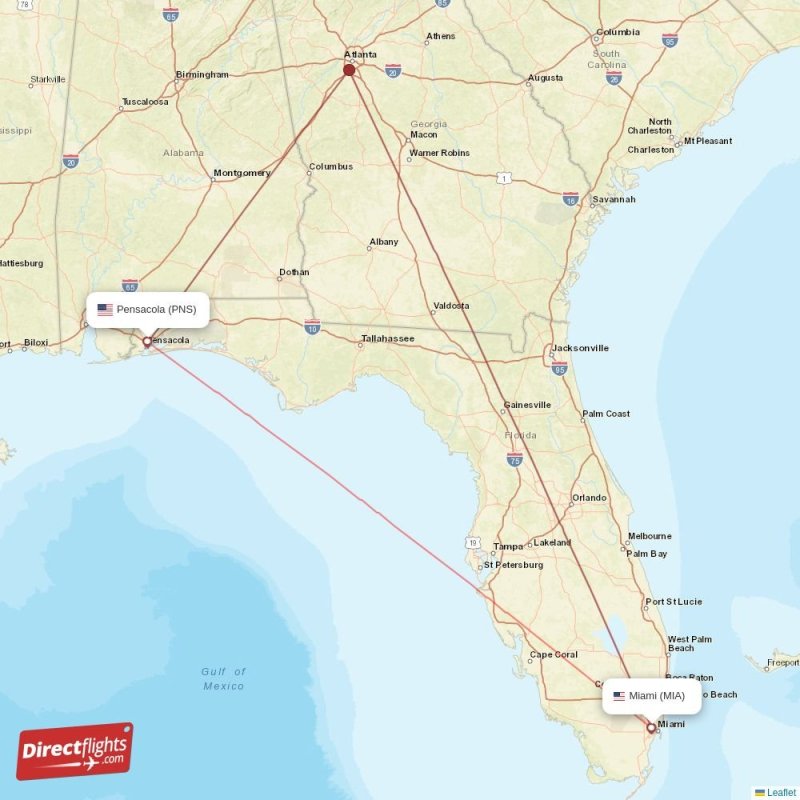
The most common driving route follows Interstate 95 north before transitioning to Interstate 10 near Jacksonville. Covering approximately 680 to 700 miles, this drive typically takes between 10 and 12 hours of pure driving time, depending heavily on traffic conditions in major urban hubs like West Palm Beach and Orlando.
Geographical Realities
It is a common misconception that [Florida] is merely a short drive from top to bottom. In reality, [Miami] is geographically closer to Havana than it is to [Pensacola]. This distance highlights the diverse climates and terrains found within the state, shifting from tropical rainforest conditions in the south to the temperate, rolling landscapes of the panhandle.
Strategic Stops Along the Way
A drive of over 600 miles is best enjoyed as a multi-day journey rather than a grueling sprint. Breaking up the trip allows for a deeper appreciation of the regional nuances that make [Florida] so diverse.
The Atlantic Corridor
Travelers heading north often stop in Fort Lauderdale or Daytona Beach for a quick oceanic refresh. The stretch along the Atlantic coast offers a high density of resorts and attractions. For those preferring a quieter pace, the historical charm of St Augustine provides an excellent midpoint for the first leg of the trip. As the oldest city in the [United States], it serves as a stark contrast to the modern skylines found in [Miami].
Transitioning to the Panhandle
Once travelers pivot west near [Jacksonville], the landscape begins to shift from coastal beach vibes to the dense pine forests and rolling hills of North Florida. Cities like Tallahassee, the state capital, offer a unique inland experience. Nestled between the coastal giants, this area provides a glimpse into the political and educational backbone of the state, featuring lush canopy roads and historic architectural gems.

Travel Modalities: Driving vs. Flying
Choosing between a road trip and a flight is a major decision for those moving between [Miami] and [Pensacola]. Both options present distinct advantages based on your travel goals and available time.
The Case for the Road Trip
Driving allows for maximum flexibility. Whether you want to detour to Walt Disney World or explore the hidden springs of central [Florida], a car provides the freedom to deviate from the standard route. It is the preferred method for travelers who view the journey itself as part of the vacation. The ability to haul beach gear, camping equipment, or bulk supplies makes driving the most practical choice for families or those planning an extended stay in the panhandle.
The Efficiency of Air Travel
For those on a tighter schedule, flying is the logical alternative. Several airlines offer connecting flights through Hartsfield-Jackson Atlanta International Airport or direct regional hops. While a flight from Miami International Airport to Pensacola International Airport takes only a few hours, it does remove the ability to experience the changing scenery of the Deep South.
Preparing for Your Regional Adventure
Regardless of the method chosen, traveling from [Miami] to [Pensacola] requires careful consideration of the climate and the season.
Weather Variations
[Miami] experiences a tropical monsoon climate, where humidity and heat are persistent features. As you travel northwest toward the [Gulf of Mexico], you may encounter cooler, more variable temperatures, especially during the winter months. Packing layers is essential if you are traveling during the shoulder seasons, as the nights in the panhandle can be significantly crisper than those in the sultry southern peninsula.Cultural Shifts
Perhaps the most intriguing aspect of this journey is the cultural evolution. [Miami] is a global gateway, deeply influenced by Latin America and the Caribbean. It is a city defined by its cosmopolitan flair, nightlife, and international trade. In contrast, [Pensacola] leans heavily into its Southern heritage, naval history, and laid-back coastal culture.
The National Naval Aviation Museum and the pristine stretches of the Gulf Islands National Seashore offer a very different experience from the high-energy beach clubs of South Beach. By the time you arrive at the turquoise waters of the panhandle, the pace of life feels intentionally slower, reflecting the relaxed rhythm of Alabama and Mississippi neighbors just a short drive away.

Final Travel Tips
- Fuel Strategy: If driving, be aware of fuel prices in major cities versus rural stretches. Keep the tank topped off when passing through Gainesville or [Tallahassee].
- Peak Traffic: Avoid leaving [Miami] during Friday afternoon rush hour, as the egress from South Florida can add significant time to your journey.
- Accommodations: If you decide to break the trip into two days, consider staying in Lake City. It is strategically positioned at the crossroads, making it an easy place to rest before the final push toward the panhandle.
Ultimately, whether you are seeking the urban sophistication of the south or the natural, tranquil beauty of the northern coast, the journey from [Miami] to [Pensacola] is a testament to the sheer scale and variety offered by the state of [Florida]. It is a trip that rewards those who take the time to notice the subtle transitions in landscape, culture, and atmosphere along the way.
LifeOutOfTheBox is a participant in the Amazon Services LLC Associates Program, an affiliate advertising program designed to provide a means for sites to earn advertising fees by advertising and linking to Amazon.com. Amazon, the Amazon logo, AmazonSupply, and the AmazonSupply logo are trademarks of Amazon.com, Inc. or its affiliates. As an Amazon Associate we earn affiliate commissions from qualifying purchases.