
When planning a journey across the vibrant landscape of the Pelican State, understanding the geography between its two most distinct urban hubs is essential. Whether you are a local looking for a weekend escape or a visitor mapping out a broader exploration of Louisiana, the drive between New Orleans and Lake Charles offers a unique look at the cultural and industrial tapestry of the region. Spanning approximately 205 to 210 miles, the trek typically takes between three and three-and-a-half hours, depending on traffic and your preferred route along the Interstate 10 corridor.

Navigating the Gulf Coast Corridor
The primary artery connecting these two cities is Interstate 10, a massive highway system that slices through the heart of the southern United States. For travelers, this route is more than just asphalt; it is a transition from the historic, jazz-infused streets of the Big Easy to the industrious, waterfront charm of Southwest Louisiana.
The Route Overview
The drive is straightforward, mostly consisting of a straight shot westward. As you depart New Orleans, you will immediately traverse the Atchafalaya Basin Bridge, one of the longest bridges in the United States. This elevated stretch of highway offers an unparalleled view of the surrounding cypress swamps and wetlands. While it can be a test of endurance during peak commuter hours, the sheer scale of the landscape provides a tranquil backdrop for the first leg of your journey.
Traffic and Travel Timing
While the mileage is manageable, the flow of traffic can be unpredictable. Baton Rouge, the state capital, serves as the primary midpoint and a major traffic hub. During weekday rush hours, congestion around the Mississippi River Bridge in the capital city can add significant time to your trip. Experienced travelers often advise checking real-time traffic apps before departing to see if it is necessary to adjust your departure time to avoid the bottleneck of regional commuter traffic.
Cultural Transitions Between Cities
The distance between these two cities represents a fascinating evolution in Louisiana culture. While both are situated along the southern coast, they offer distinctly different experiences for the modern traveler.
The Vibe of New Orleans
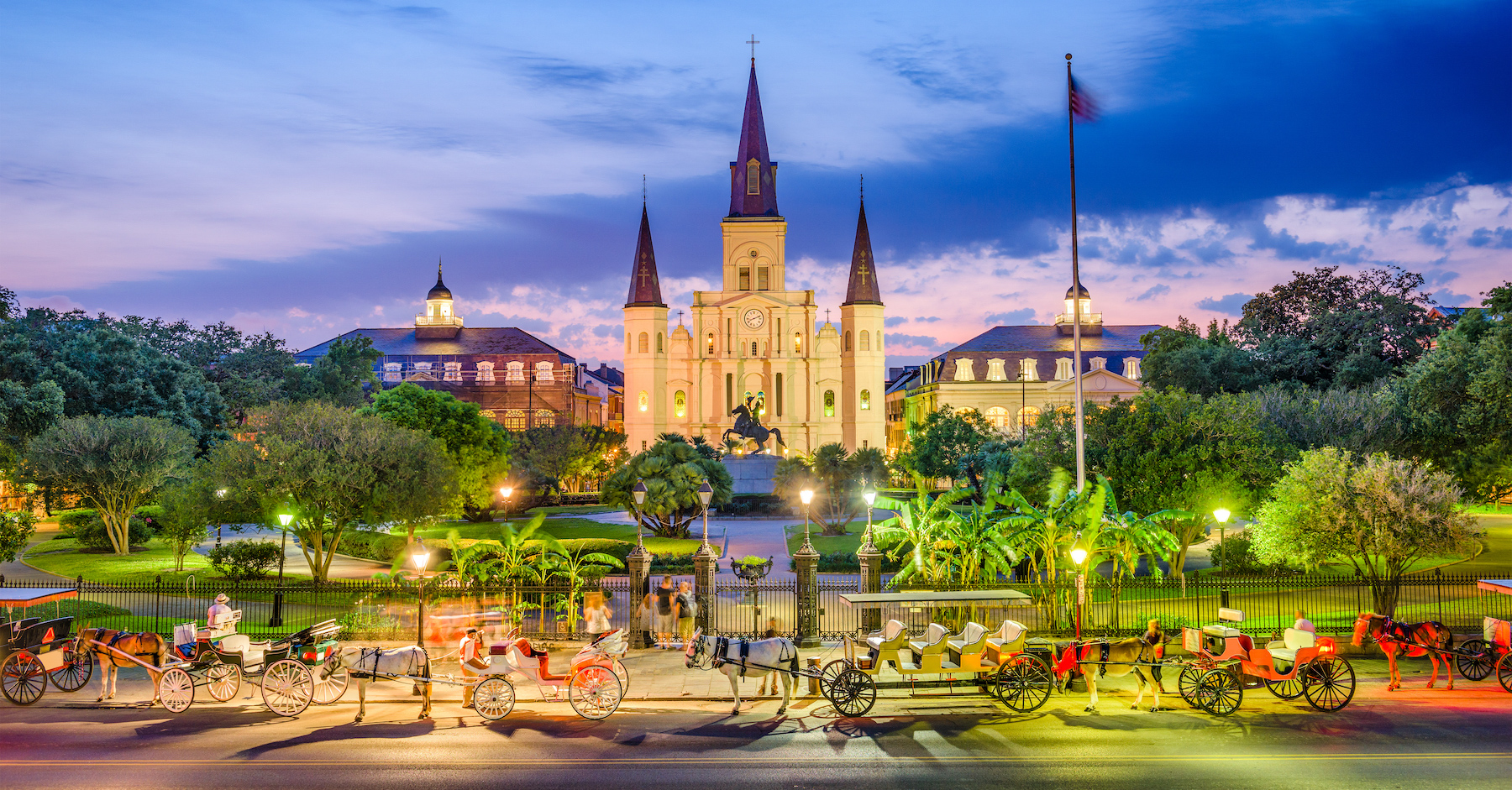
Leaving the French Quarter, you are immersed in a world of creole architecture, live brass music, and deep-seated historical narratives. It is a city that thrives on its past, preserved through its landmarks and its culinary traditions. For many, New Orleans is the ultimate starting point for a deeper dive into the state’s heritage, acting as a portal into the unique societal mix that defines this region.
The Spirit of Lake Charles
Upon arriving in Lake Charles, the atmosphere shifts. Located on the shores of Lake Charles and the Calcasieu River, the city feels more expansive and intrinsically tied to the waterways and industrial prowess of the Gulf Coast. It is a hub of gaming, outdoor recreation, and Cajun culture. The city prides itself on a more laid-back pace compared to its eastern counterpart, making it an ideal destination for those looking to enjoy world-class casinos, fishing, or the annual Contraband Days festival.
Strategic Stops Along the Way
To make the most of your 200-mile journey, consider breaking up the drive with strategic stops. The stretch between New Orleans and Lake Charles is dotted with towns that offer a genuine taste of Cajun Country.
Exploring the Acadiana Region
As you push past Baton Rouge, you enter the heart of Acadiana. Cities like Lafayette are essential stops for any traveler interested in authentic food and music. A quick detour off the highway can lead you to local boudin shops, where the sausage is a staple of the regional diet. Spending an hour or two in Lafayette allows you to experience the French-speaking heritage of the region, which feels distinct from the influences found in New Orleans.
Nature and Wetlands
If you have extra time, consider exploring the Atchafalaya National Wildlife Refuge. The area is teeming with wildlife and provides a rare look at the untamed wilderness of the Gulf Coast. Photography enthusiasts will find the morning light over the swamps particularly mesmerizing, making it a perfect spot to stretch your legs before the final push toward the western side of the state.
Preparing for Your Road Trip
Planning a trip between these two iconic cities requires more than just checking the odometer. Whether you are driving your own vehicle or renting one, the drive is generally comfortable, but preparedness ensures a seamless experience.
Vehicle Maintenance and Planning
Because the route is almost entirely interstate, it is vital to ensure your vehicle is road-ready. Louisiana summers can be punishing, so checking your cooling system and tire pressure before embarking is a standard, yet critical, piece of advice. Keep in mind that while there are plenty of gas stations, the stretches between Lafayette and Jennings can sometimes feel long, especially if you get caught in unexpected construction zones.
Travel Tips for the Modern Tourist
- Time of Day: If possible, avoid traveling on a Friday afternoon or a Sunday evening, as the volume of traffic returning to New Orleans or exiting Lake Charles can create significant backups near the city limits.
- The Food Factor: Pack a cooler. One of the best parts about travel in Louisiana is the ability to pick up fresh ingredients, local cheeses, or pre-made Cajun specialties from small-town markets along the route.
- Connectivity: While the signal is generally strong along Interstate 10, having an offline map downloaded is a wise precaution, especially if you decide to take a scenic detour through the backroads of Cajun Country.

Conclusion: A Tale of Two Cities
The journey from New Orleans to Lake Charles is a microcosm of what makes the southern portion of this state so compelling. It bridges the gap between the historic, cosmopolitan flair of the Crescent City and the rugged, industrious beauty of the southwestern border.
Measuring roughly 200 miles, the drive is neither too long to be arduous nor too short to be uneventful. By treating the travel time as a part of your vacation rather than just a chore, you turn a standard commute into an exploration of the diverse landscapes that define this part of the United States. Whether your final destination is one of the luxurious resorts in Lake Charles or the historic streets of New Orleans, the road between them is a journey worth taking slow. Keep your eyes on the horizon, your fuel tank full, and your itinerary flexible to embrace the unique detours that only Louisiana can offer.
LifeOutOfTheBox is a participant in the Amazon Services LLC Associates Program, an affiliate advertising program designed to provide a means for sites to earn advertising fees by advertising and linking to Amazon.com. Amazon, the Amazon logo, AmazonSupply, and the AmazonSupply logo are trademarks of Amazon.com, Inc. or its affiliates. As an Amazon Associate we earn affiliate commissions from qualifying purchases.