
When planning a journey to New Orleans, travelers often look beyond the vibrant rhythms of jazz and the intoxicating scents of Creole cuisine to understand the pulse of the city itself. Understanding the population of Louisiana’s most famous metropolis provides a window into its resilience, its cultural density, and the unique demographic tapestry that makes the “Big Easy” one of the most compelling destinations in the United States.
Understanding the Demographic Landscape of New Orleans
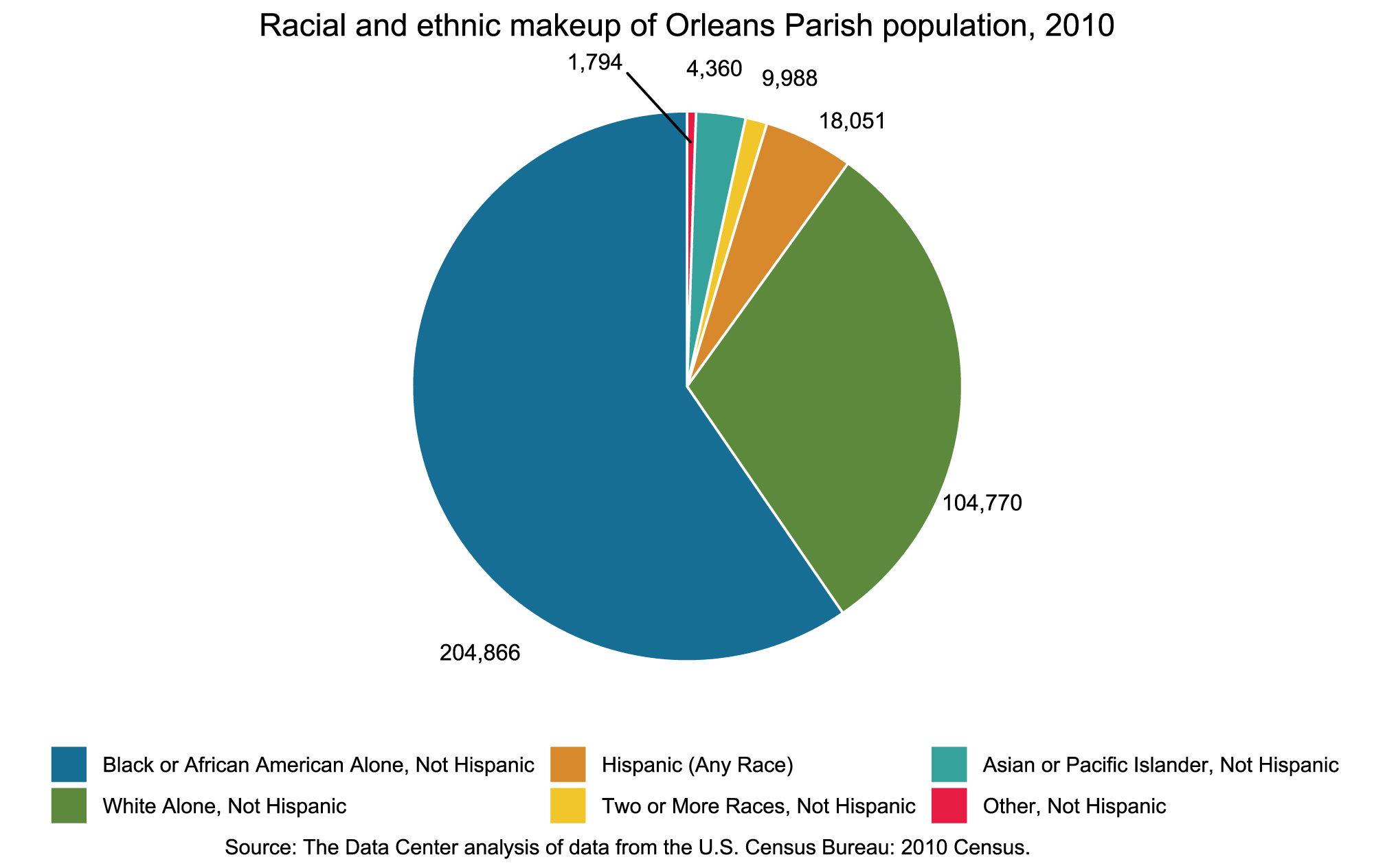
The population of New Orleans is a story of ebb and flow, deeply shaped by its geography and its history. As of recent estimates, the city proper maintains a population of approximately 370,000 to 380,000 residents. While this number fluctuates due to various socio-economic factors and recovery efforts, it represents a community that is deeply tied to the land and the spirit of the Mississippi River.
The Metropolitan Statistical Area
To truly grasp the scale of the region, one must look at the New Orleans Metropolitan Area. Including surrounding parishes such as Jefferson Parish and St. Tammany Parish, the metro population swells to over 1.2 million people. This regional hub acts as the economic engine for the Gulf Coast, blending urban density with the sprawling, suburban lifestyle found just across the levees.
Historical Shifts and Modern Trends
Following the unprecedented impact of Hurricane Katrina in 2005, the city underwent a significant demographic recalibration. In the years that followed, New Orleans saw a steady return of its vibrant population, though the composition of the city has evolved. Today, it is characterized by a mix of long-time multi-generational families and an influx of creative professionals, students, and entrepreneurs drawn to the city’s unparalleled authenticity.
The Cultural Impact of Population Density
The magic of New Orleans lies in how its population interacts with its environment. Unlike many other major American cities where residents are isolated in high-rises, the population here is famously social, congregating in the streets, at Jackson Square, and along Bourbon Street.
A Melting Pot of Traditions
The demographic makeup of the city reflects a complex heritage. New Orleans remains a cornerstone of African American history, with deep roots in West Africa, the Caribbean, and France. This diversity manifests in every neighborhood, from the brass bands of Tremé to the architectural marvels of the Garden District.

Influence on Tourism and Local Life
The population size is perfectly balanced to support a world-class tourism industry without losing the “neighborhood feel.” Whether you are exploring Frenchmen Street or participating in the grandeur of Mardi Gras, you are witnessing a city where the residents are the primary architects of the experience. The local population takes immense pride in sharing their Cajun and Creole heritage, making every visitor feel like part of the family.
Why the City Feels Larger Than It Is
Visitors often ask how a city of under 400,000 can feel like a sprawling global capital. The answer lies in the sheer intensity of the lifestyle found within the French Quarter. The population density in central districts creates a concentrated energy that permeates the atmosphere, making the city feel much more populous than the census data might suggest.
Seasonal Population Flux
Tourism acts as an unofficial second population. During peak festivals, such as Jazz Fest or Essence Festival, the number of people occupying the city at any given time can double. This creates a fascinating dynamic where the locals and the visitors merge into a single, kinetic mass, unified by the love of music, food, and celebration.
Economic Engines and Migration
The local economy is heavily bolstered by the service, maritime, and oil and gas industries, which draw a professional population that resides in the city year-round. Additionally, universities such as Tulane University and Loyola University New Orleans contribute a steady stream of younger residents who often fall in love with the city and choose to stay after graduation, further diversifying the demographics of the Greater New Orleans area.
Navigating the City as a Visitor
When you visit, you are navigating a landscape defined by human connection. The population’s approach to life—often summarized by the phrase “laissez les bons temps rouler”—is what separates this destination from any other in North America.
Tips for Engaging with the Local Community
- Respect the Neighborhoods: Areas like the Marigny and Bywater are residential zones. Walking through them provides a genuine look at how residents live.
- Support Local Businesses: From the corner po-boy shop to the independent bookstores in Mid-City, spending your tourist dollars with local owners helps maintain the demographic and cultural vitality of the city.
- Observe the Traditions: Whether it is a second-line parade or a crawfish boil, observing how the local population celebrates allows for a deeper appreciation of the city’s soul.

The Future of the Population
Looking ahead, the city is focused on sustainable growth and climate resilience. The U.S. Army Corps of Engineers and local planners are continuously working to ensure that the city can thrive for future generations. As the population continues to adapt to the changing environment, the spirit of New Orleans remains unyielding. The people who call this city home are its greatest asset, serving as the guardians of a culture that is as influential today as it was centuries ago.
By understanding the population, you move beyond the surface-level attractions and begin to understand the rhythm of life in the South. You see that New Orleans is not just a destination to be visited; it is a community to be experienced. Each face you pass on Canal Street and every conversation you have with a local adds a thread to the intricate tapestry of the city. As you explore, remember that you are walking through a living history, maintained by a population that invites you to share in their joy, their history, and their future. Whether you stay for a weekend or a month, the impact of the people in New Orleans will undoubtedly stay with you long after you have crossed the Pontchartrain Bridge on your way home.
LifeOutOfTheBox is a participant in the Amazon Services LLC Associates Program, an affiliate advertising program designed to provide a means for sites to earn advertising fees by advertising and linking to Amazon.com. Amazon, the Amazon logo, AmazonSupply, and the AmazonSupply logo are trademarks of Amazon.com, Inc. or its affiliates. As an Amazon Associate we earn affiliate commissions from qualifying purchases.