
The journey between Dallas, Texas, and Shreveport, Louisiana, is a classic Southern corridor trip that captures the transition from the sprawling high-energy metropolis of North Texas to the river-rich, soulful landscapes of the Ark-La-Tex region. Whether you are traveling for business, a weekend getaway, or a long-distance road trip, understanding the geography and logistics of this route is essential for a seamless travel experience.
Understanding the Distance and Travel Time
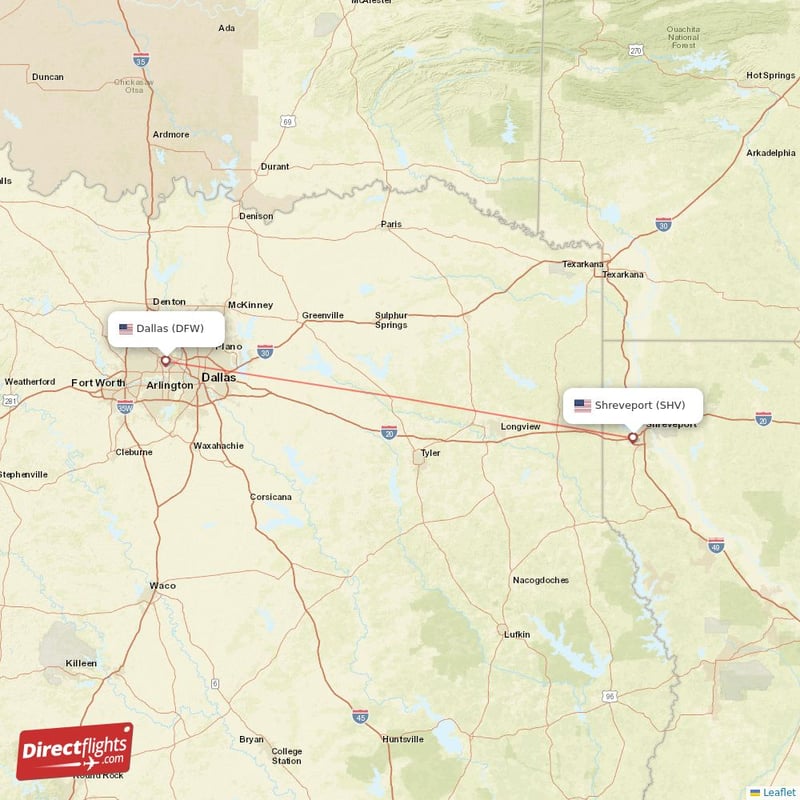
The distance between these two urban hubs is surprisingly manageable, making it a favorite route for those looking to escape the concrete jungle for a change of pace. When traveling by car, you are looking at a journey of approximately 190 miles.
Driving Logistics
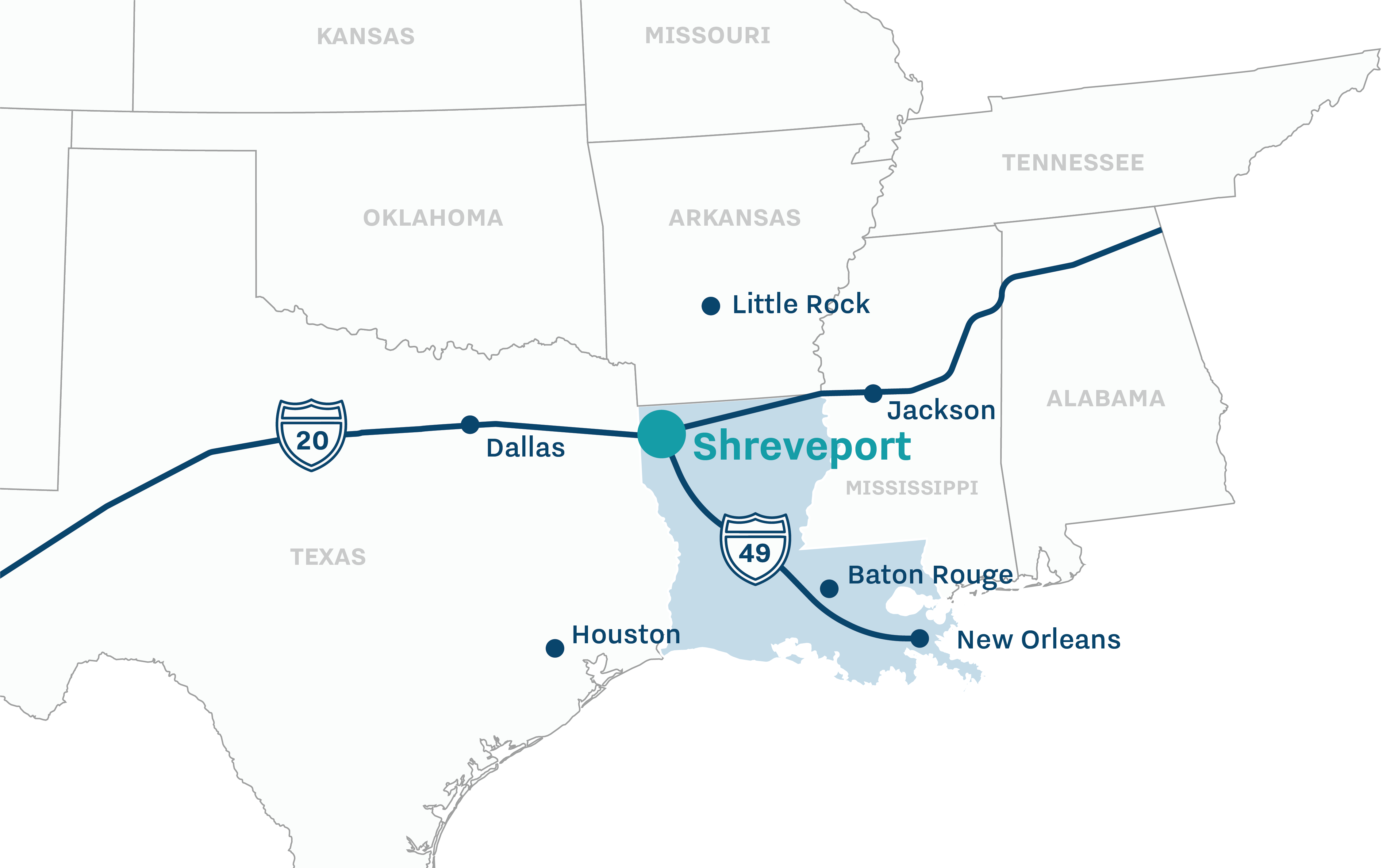
Under typical traffic conditions, the drive from Dallas to Shreveport takes roughly 3 hours to 3 hours and 30 minutes. The primary artery connecting these two cities is Interstate 20. This stretch of highway offers a straightforward path eastward, cutting through the piney woods of East Texas before crossing the state line into Louisiana.
Factors Influencing the Journey
While the mileage remains constant, your travel time can fluctuate significantly based on several factors:
- Rush Hour in Dallas: Exiting the Dallas-Fort Worth metroplex can be the most time-consuming part of the trip. Avoiding peak morning and afternoon traffic windows is highly recommended to shave off unnecessary time.
- Road Construction: As with many major interstate routes in the United States, Interstate 20 occasionally undergoes maintenance. Checking real-time traffic apps before departure is a smart traveler’s best practice.
- Rest Stops: Along the way, towns like Tyler, Longview, and Marshall offer excellent opportunities to stretch your legs, grab a bite of authentic Southern barbecue, or refuel.
Navigating the Route: What to Expect
The drive itself is more than just a transit corridor; it serves as a gateway to the distinct cultural identities of the American South. As you leave the skyscrapers of Dallas behind, the landscape shifts into the lush, rolling timberlands characteristic of the region.
The East Texas Stretch
As you head east on Interstate 20, you will traverse the heart of East Texas. This region is defined by its deep pine forests and rich historical heritage. Tyler, often referred to as the Rose Capital of America, is a fantastic midpoint if you want to break up the drive. The local scenery becomes noticeably greener and more humid the closer you get to the Louisiana border.
Crossing into Louisiana
Crossing the state line is a moment of subtle transition. Once you arrive in Shreveport, you immediately notice the influence of the Red River. The city’s geography is deeply tied to this waterway, which provides a scenic backdrop for the local downtown area. Unlike the expansive grid of Dallas, Shreveport offers a more compact, river-focused aesthetic that feels distinctly Southern.
Planning Your Arrival: Choosing the Right Mode of Transit
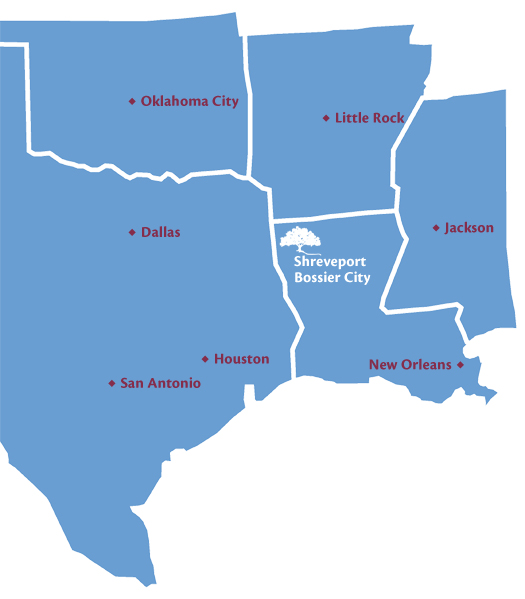
While driving remains the most popular way to cover the distance between these two cities, travelers should consider the pros and cons of different transportation methods.
The Road Trip Experience
Driving offers the ultimate flexibility. It allows you to set your own schedule, explore small towns like Mineola or Canton at your leisure, and carry as much luggage as you require. For families or those traveling with groups, a personal vehicle is almost always the most cost-effective and convenient choice for this distance.
Bus and Charter Options
For those who prefer not to drive, commercial bus lines operate daily routes between Dallas and Shreveport. This is a popular alternative for students, solo travelers, and those who prefer to spend their travel time reading or working. The transit time is generally comparable to driving, though you are subject to the carrier’s schedule rather than your own.
Air Travel Considerations
While commercial flights exist between Dallas/Fort Worth International Airport and Shreveport Regional Airport, it is worth noting that for a 190-mile journey, the time spent at security checkpoints, boarding, and baggage claim often results in a total travel time that is similar to, or longer than, simply driving. Air travel is typically reserved for those who are connecting from longer international or transcontinental flights.
Maximizing Your Trip: Tips for the Journey
To ensure your trip from Texas to Louisiana is as enjoyable as the destination itself, consider the following logistical tips.
Best Time to Travel
If your schedule is flexible, aim for mid-week travel. Tuesday and Wednesday departures usually result in less congested highways around the Dallas metro area. If you must travel on a weekend, try to head out early on Saturday morning to avoid the Friday evening “exodus” from the city.
Essential Stops
- The Texas Travel Information Center: Often overlooked, these centers provide up-to-date information on road conditions and local attractions.
- Marshall: Famous for its historic downtown and the Michelson Museum of Art, this town makes for a perfect cultural detour.
- Bistineau Lake: As you approach Shreveport, keep an eye out for the beautiful water landscapes that define the local Louisiana environment.
Safety and Preparedness
Because you are traveling across state lines, ensure your vehicle is road-ready. Check your tire pressure and fluid levels, especially if you are traveling during the hot summer months, as East Texas temperatures can be intense. Always keep a physical map or a downloaded offline GPS route, as cell service can occasionally be spotty in the more rural stretches of Interstate 20.
Whether you are seeking the urban excitement of the Dallas art district or the charming riverside allure of Shreveport, the distance between these two cities is a bridge between two wonderful worlds. By planning your route and understanding the rhythm of the road, you can turn a simple transit into a memorable part of your overall travel experience.
LifeOutOfTheBox is a participant in the Amazon Services LLC Associates Program, an affiliate advertising program designed to provide a means for sites to earn advertising fees by advertising and linking to Amazon.com. Amazon, the Amazon logo, AmazonSupply, and the AmazonSupply logo are trademarks of Amazon.com, Inc. or its affiliates. As an Amazon Associate we earn affiliate commissions from qualifying purchases.