
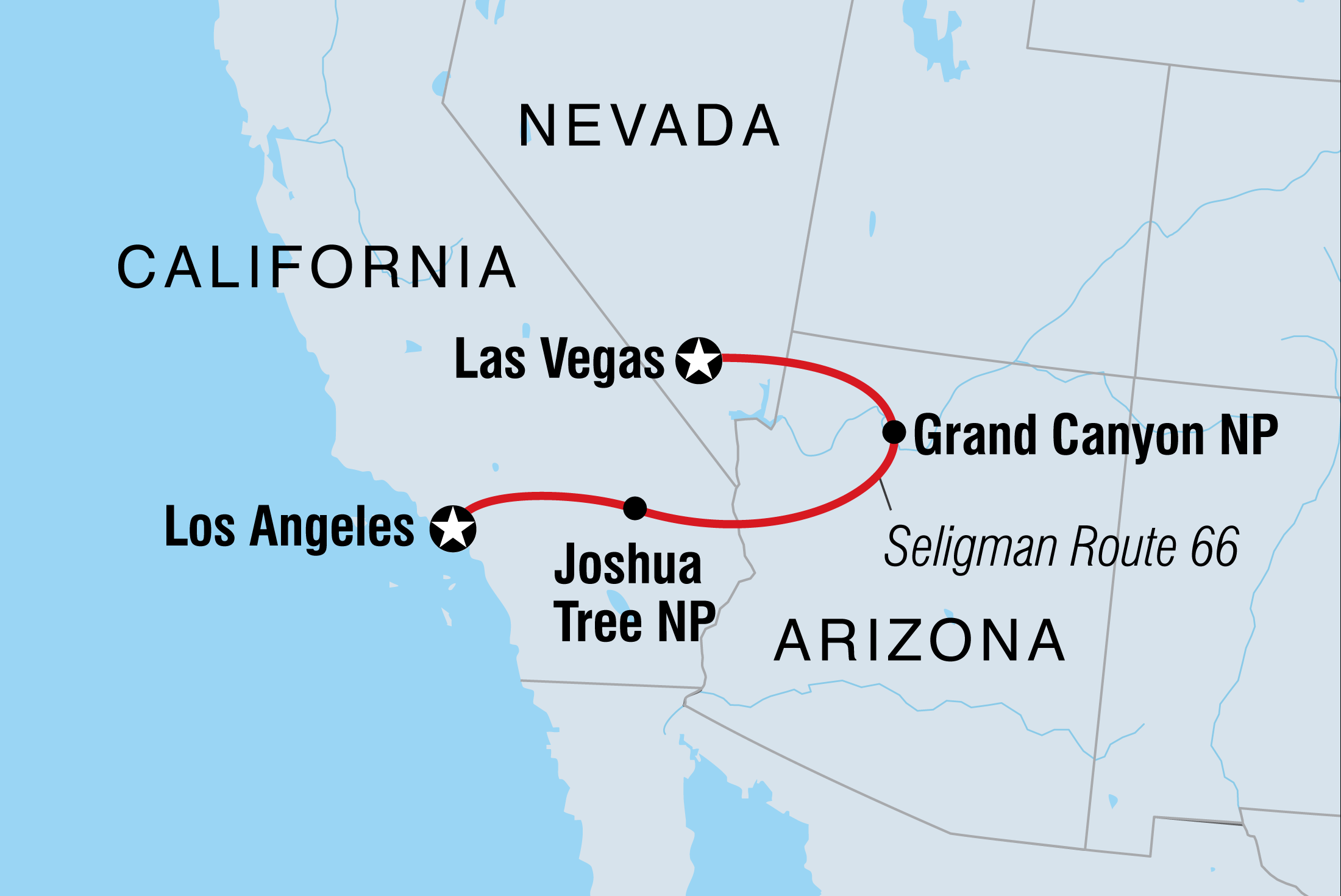
The journey from Los Angeles to Las Vegas is one of the most iconic road trips in the United States. Spanning roughly 270 miles, this desert traverse connects the coastal glitz of California to the neon-drenched entertainment capital of Nevada. While the distance is relatively short by American standards, the experience is defined by shifting landscapes, logistical considerations, and the unmistakable sense of adventure that comes with crossing the Mojave Desert.
Understanding the Distance and Travel Time
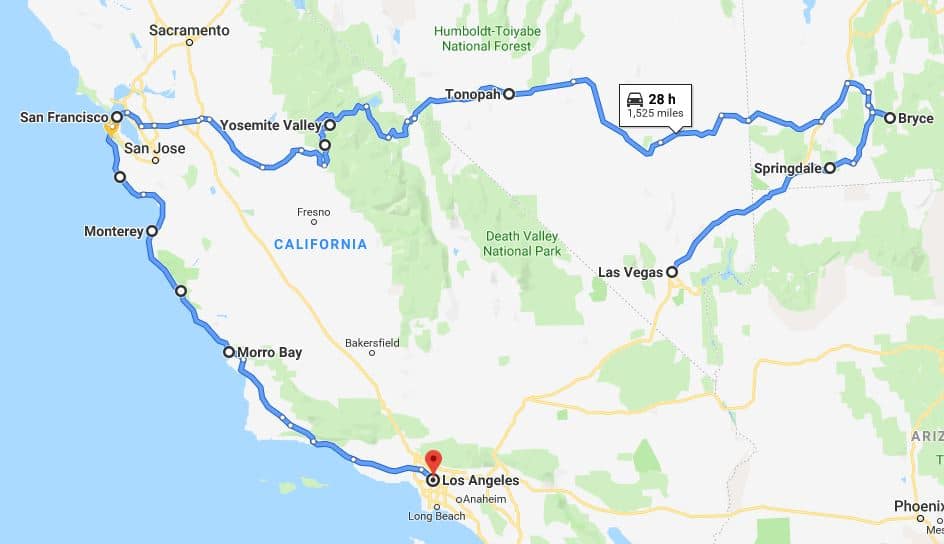
Under ideal conditions, the drive from Los Angeles to Las Vegas takes approximately four to five hours. However, this figure is highly variable, heavily dependent on the day of the week, the time of day, and the unpredictable nature of traffic on Interstate 15.
The Variables of Traffic
Leaving Southern California on a Friday afternoon or returning on a Sunday evening often turns a brisk drive into an arduous six-to-seven-hour ordeal. Interstate 15 serves as the primary artery for commuters, freight transport, and tourists alike. Bottlenecks near Barstow and the mountain passes in the Cajon Pass are common points of congestion. Professional travelers recommend departing early in the morning—ideally before 7:00 AM—to clear the urban sprawl and navigate the desert stretches before the midday heat settles in.
Distance vs. Geography
While the odometer reads around 270 miles depending on your point of departure within the Los Angeles Basin, the terrain changes significantly. You are essentially moving from sea level to high desert. As you leave San Bernardino County, the environment shifts from suburban density to the arid, stark beauty of the high desert. Understanding this geographic shift is vital for vehicle maintenance, as the climbing elevation and extreme temperatures can put stress on cooling systems.
Essential Stops and Landmarks Along the Way
The desert stretch between California and Nevada offers more than just flat pavement. Breaking up the drive is essential for safety and provides an opportunity to see the unique cultural landmarks that have popped up along the corridor.
Iconic Roadside Attractions
No trip to Las Vegas is complete without a stop at the Seven Magic Mountains. This public art installation, located just south of the city, features seven towers of colorful, stacked boulders that contrast sharply against the muted tones of the Ivanpah Valley. It has become a must-visit photo opportunity for travelers.
If you are looking for a bit of kitsch or a unique historical perspective, Calico Ghost Town near Yermo offers a glimpse into the region’s mining history. Similarly, the Peggy Sue’s 50’s Diner serves as a classic American pit stop, perfect for those needing a break from the monotonous stretch of highway.
The Natural Beauty of the Mojave
For those who prefer nature over roadside attractions, Mojave National Preserve offers expansive vistas, volcanic cinder cones, and the famous Joshua tree forests. While a detour into the preserve will add time to your trip, it provides a peaceful contrast to the sensory overload that awaits in Las Vegas. If you have the luxury of time, exploring the Kelso Dunes is an unforgettable experience that highlights the geological diversity of the high desert.
Strategic Travel Tips for a Seamless Journey
Preparation is the difference between a stressful commute and an enjoyable road trip. Because the route crosses through remote desert territories, travelers should treat this drive with the same respect they would any mountain or wilderness excursion.
Vehicle Readiness
Before departing Los Angeles, ensure your vehicle is up to the task. Check your tire pressure, fluid levels, and air conditioning. The summer heat in the Mojave Desert can exceed 110°F (43°C), and a breakdown in such conditions is not only inconvenient but dangerous. Always carry extra water, a mobile phone charger, and a basic emergency kit.
Timing Your Departure
To maximize enjoyment, consider the “mid-week” advantage. Traveling between Tuesday and Thursday often results in significantly lighter traffic on Interstate 15. If you must travel on a weekend, prepare for delays and consider using navigation apps to monitor real-time traffic updates. These tools can sometimes suggest alternative routes, though in the vast desert, options are often limited to the main highway.
Fueling and Amenities
While Baker and Primm offer plenty of gas stations and fast-food options, prices can be higher than in the metropolitan areas. It is generally wise to top off your tank in the outskirts of the Inland Empire before hitting the open road. Being mindful of your fuel gauge in the more desolate stretches ensures that you won’t be forced to stop at a high-cost station in the middle of nowhere.
Transportation Alternatives to Driving
Not everyone chooses to drive their own vehicle to Las Vegas. For those who prefer to leave the navigation to someone else, there are several reliable alternatives available.
Commercial Bus Services
Companies such as FlixBus and Greyhound provide frequent service from Los Angeles to Las Vegas. These buses are often equipped with Wi-Fi and power outlets, making the commute productive or relaxing. This is a budget-friendly option that removes the stress of navigating through desert traffic.
Air Travel
For those on a tight schedule, flying from Los Angeles International Airport to Harry Reid International Airport takes only about an hour of flight time. Once you factor in travel to and from the airport, security lines, and boarding, the total time is comparable to driving, but it provides a different experience entirely. This is often the preferred choice for business travelers or those planning a very short weekend getaway to Nevada.
Luxury Shuttles
Several companies operate private luxury shuttles that offer door-to-door service between major Los Angeles hotels and Las Vegas resorts. These services provide more comfort than public buses and are a popular choice for groups or individuals seeking a premium experience without the responsibilities of driving.
Ultimately, the choice of how to traverse the distance between California and Nevada depends on your priorities. Whether you view the drive as part of the vacation—a time to explore the Mojave Desert—or simply as a barrier between your departure point and the excitement of the strip, understanding the distance and the logistical realities is the first step toward a successful journey. By planning ahead, respecting the desert environment, and choosing the transportation mode that fits your lifestyle, the roughly 270-mile transit becomes a manageable and even enjoyable prelude to the thrill of arriving in Las Vegas.
LifeOutOfTheBox is a participant in the Amazon Services LLC Associates Program, an affiliate advertising program designed to provide a means for sites to earn advertising fees by advertising and linking to Amazon.com. Amazon, the Amazon logo, AmazonSupply, and the AmazonSupply logo are trademarks of Amazon.com, Inc. or its affiliates. As an Amazon Associate we earn affiliate commissions from qualifying purchases.