
Navigating the disability landscape while planning your travel lifestyle can be a complex endeavor, especially when considering how local infrastructure in Oklahoma accommodates those with chronic conditions. For travelers, digital nomads, or those looking to relocate, understanding how the state approaches disability is vital for maintaining a high quality of life. Whether you are exploring the vibrant streets of Oklahoma City or seeking the quietude of the Wichita Mountains, knowing what criteria define disability can help you better assess accessibility features and support services throughout the region.
Understanding the Medical Framework for Disability Qualification
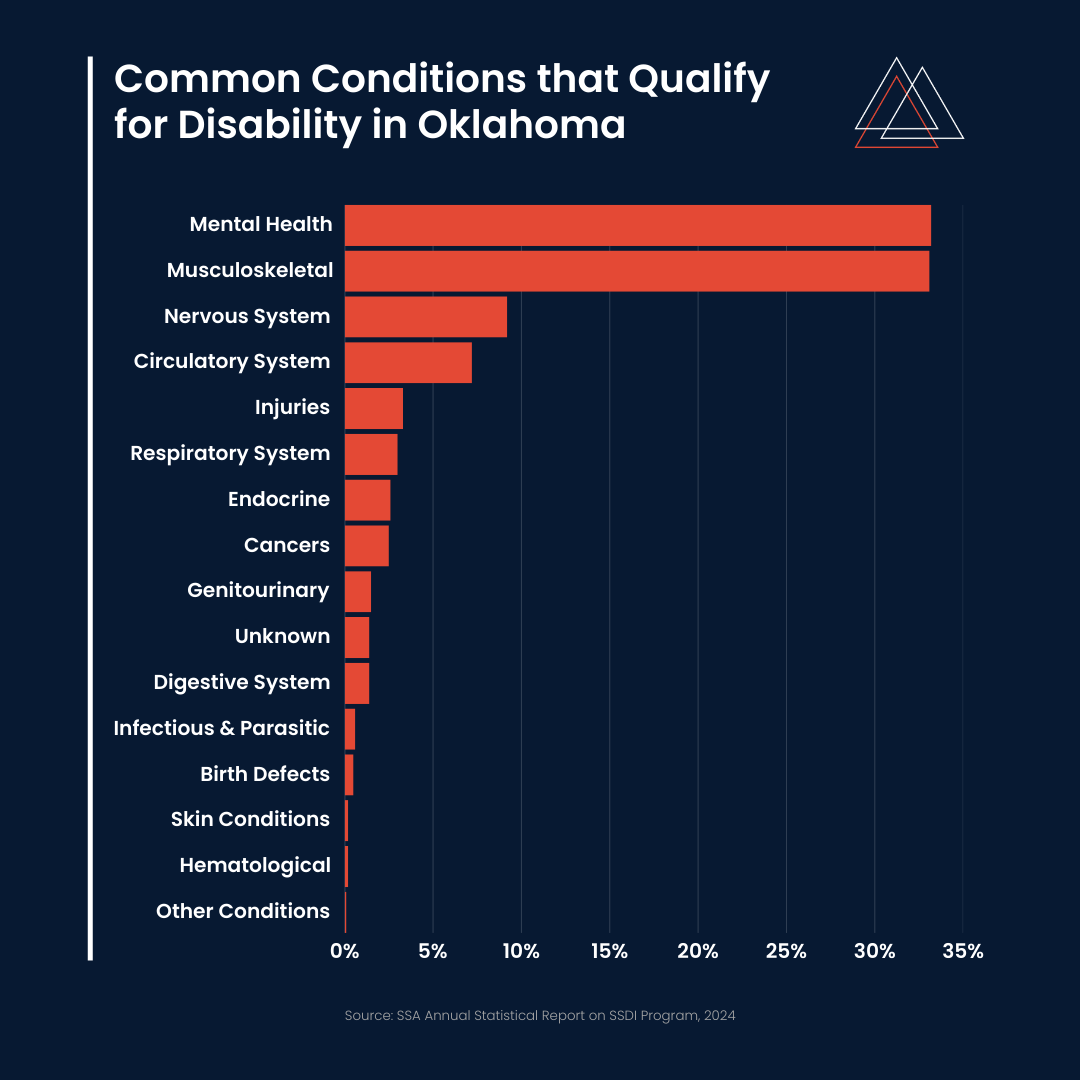
When assessing what conditions qualify for disability, the focus is largely on the impact a condition has on an individual’s ability to engage in substantial gainful activity. In Oklahoma, the state follows federal guidelines established by the Social Security Administration, which are critical for those planning long-term stays or considering a permanent move to the area.
Physical Impairments and Mobility Challenges
For many, the primary concern when traveling to a place like Tulsa or Norman is how the physical environment supports those with mobility issues. Conditions that qualify for disability often involve chronic musculoskeletal disorders. Severe arthritis, spinal cord injuries, or degenerative disc disease are frequently recognized. These conditions, if documented as significantly limiting, allow for access to specialized transit options and facility modifications that make navigating sites like the Philbrook Museum of Art much more manageable.
Sensory and Communication Disabilities
Visual and hearing impairments are also key categories. The state maintains specific standards for those with significant vision loss or profound deafness. In urban centers like Broken Arrow, public infrastructure projects increasingly prioritize tactile paving and audio-enabled traffic signals. For the traveler, this means that even if one is visiting for a short period, the legislative framework supporting disability access ensures that key landmarks and transit hubs are increasingly compliant with modern accessibility standards.
Cognitive and Neurological Conditions in the Sooner State
Beyond physical limitations, a vast array of neurological and cognitive conditions qualify for disability support. For families traveling with members who have neurodivergent needs or chronic neurological disorders, understanding how these conditions are handled in Oklahoma is essential.
Developmental and Learning Disorders
Conditions such as autism spectrum disorder and severe learning disabilities fall under the purview of disability classification. In cities like Edmond, there is a growing awareness of sensory-friendly travel experiences. By recognizing these as qualifying conditions, the state—and the local businesses within it—are encouraged to implement inclusive practices. This is particularly relevant for those seeking long-term accommodation, as it directly impacts the availability of specialized school programs and community resources.

Chronic Neurological Disorders
Epilepsy, multiple sclerosis, and cerebral palsy represent significant categories of disability. These conditions require consistent access to medical facilities and potentially specialized living environments. When you look at the infrastructure of major hubs like Lawton, you will find a concentration of medical support networks that cater to these specific needs. Knowing that these conditions are formally recognized allows residents and visitors to advocate for the necessary environment to thrive.
The Intersection of Disability and Lifestyle Travel
Traveling while managing a disability does not mean you must sacrifice comfort or discovery. In fact, many parts of Oklahoma have made strides in turning their landmarks and cultural hubs into accessible destinations.
Accessibility at Major Landmarks
When planning a trip, accessibility is often a deciding factor. Many of the state’s most famous landmarks, such as the First Americans Museum or the scenic trails around Lake Eufaula, have integrated ADA-compliant pathways to ensure that visitors with varying levels of physical ability can enjoy the landscape. Because disability status is clearly defined, these venues are held to strict standards, providing peace of mind to those who require mobility aids or other supportive equipment.
Navigating Local Amenities and Infrastructure
For those considering a longer-term stay in a place like Moore, the local lifestyle is heavily influenced by the quality of disability services available. Public transportation systems, housing developments, and even local dining districts are increasingly designed with inclusive design principles. When you align your travel goals with destinations that prioritize these standards, your overall experience is significantly enhanced. The consistency of these definitions ensures that you can expect similar levels of support regardless of which part of the state you are visiting.
Advocacy and Resources for the Modern Traveler
Understanding the legal definition of a disability in Oklahoma serves as a foundation for effective advocacy. Whether you are a solo traveler, a digital nomad, or a retiree, being informed empowers you to seek out the resources you need.
Why Documentation Matters
If you are relocating or planning an extended stay, having your medical documentation in order is the most important step. Because Oklahoma relies on federal criteria, having a clear paper trail for conditions such as chronic cardiovascular disease, immune system disorders, or severe mental health conditions is vital. This documentation is the key that unlocks access to parking permits, specialized housing, and healthcare services.

Leveraging Local Support Systems
There is a robust community of support services throughout the state. From nonprofit organizations to dedicated government agencies, the infrastructure exists to help those with qualifying conditions integrate into the local lifestyle. If you find yourself needing guidance on accessible housing or medical care, connecting with local advocacy groups in major cities like Stillwater can provide you with the localized knowledge that broad travel guides often miss. These groups are instrumental in helping visitors and new residents navigate the nuances of the disability system, ensuring that your lifestyle remains uncompromised by your physical or cognitive requirements.
Ultimately, the recognition of specific conditions as disabilities in Oklahoma creates a more inclusive environment for everyone. By understanding how these criteria are applied, you can plan your travels with confidence, knowing that the state has established a framework designed to accommodate a diverse range of needs. From the cultural richness of Muskogee to the wide-open natural beauty of Quartz Mountain State Park, the tools are there to ensure that your time in the region is defined by your experiences rather than your limitations. Staying informed on these definitions allows you to focus on the heart of travel: discovery, connection, and the enjoyment of the unique lifestyle that this diverse state has to offer.
LifeOutOfTheBox is a participant in the Amazon Services LLC Associates Program, an affiliate advertising program designed to provide a means for sites to earn advertising fees by advertising and linking to Amazon.com. Amazon, the Amazon logo, AmazonSupply, and the AmazonSupply logo are trademarks of Amazon.com, Inc. or its affiliates. As an Amazon Associate we earn affiliate commissions from qualifying purchases.