
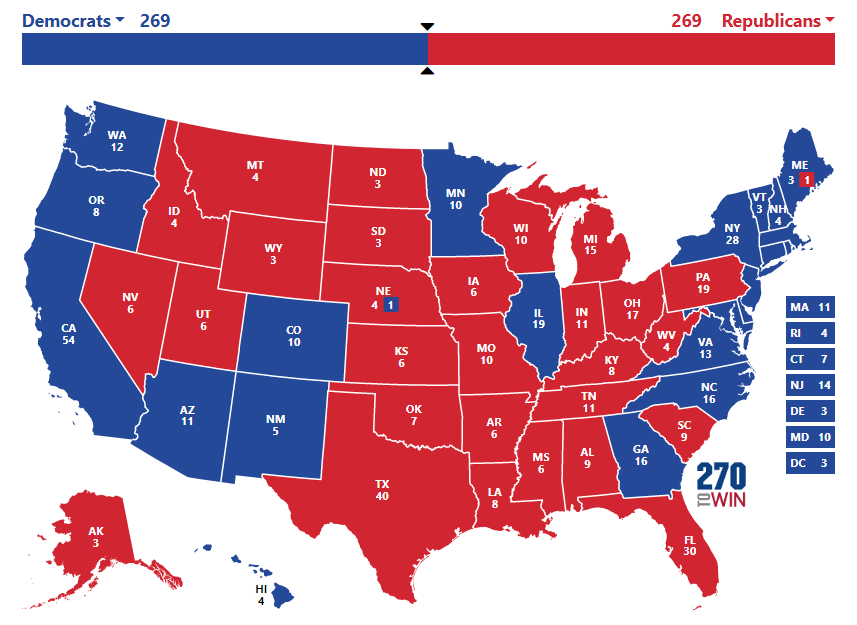
When travelers set their sights on the American South, Louisiana often occupies a unique space in the cultural imagination. Far from the rigid binary colors that define modern political discourse, the state offers a mosaic of experiences that defies simple categorization. For the visitor, the question of whether the state is “red” or “blue” translates not into voting patterns, but into the vibrant, complex tapestry of local culture, heritage, and the quintessential Southern experience. To understand this destination, one must look past the headlines and immerse oneself in the humid, rhythm-filled streets that define life in the Bayou State.
A Cultural Melting Pot of Influence
To define the identity of Louisiana, one must recognize that its “color” is actually a blend of centuries of European, African, and Caribbean influence. It is a place where the concept of “local culture” is deeply tethered to history, creating an atmosphere that is neither monolithically traditional nor entirely modern.
The French and Spanish Legacy
The foundation of the state is built upon the colonial footprint of the French and Spanish empires. Walking through the French Quarter in New Orleans, one is immediately struck by the wrought-iron balconies and the architecture that whispers of a bygone era. This European heritage acts as the bedrock of the state’s hospitality, influencing everything from the layout of public squares to the preservation of historic landmarks.
African and Caribbean Roots
The soul of the state, however, is derived from its African and Caribbean roots. This influence is perhaps most palpable in the music and the culinary traditions that define the region. From the syncopated rhythms of jazz—which was born in Congo Square—to the deep, complex flavors of gumbo, the state vibrates with an energy that is distinctly African-diasporic. This fusion ensures that any trip here is an exercise in cultural discovery rather than a visit to a static, monochromatic destination.
Gastronomy: The True Language of the South
If one were to color-code the state based on flavor, it would undoubtedly be a vibrant, spicy shade of cayenne and dark, slow-simmered roux. Food in this state is not merely fuel; it is a social event, a historical record, and a point of intense pride that transcends any political divide.
The Cajun and Creole Distinction
Visitors often conflate Cajun and Creole cuisines, yet they are distinct expressions of the land. Cajun food, born of the displaced Acadians in the rural swamplands, is rustic and hearty. Conversely, Creole food, centered in the urban sprawl of New Orleans, utilizes more complex ingredients and European techniques.
- Crawfish Boils: An essential communal experience, often held in backyards throughout the Atchafalaya Basin.
- Beignets: The iconic fried dough dusted with powdered sugar, a must-have at Cafe Du Monde.
- Etouffee: A masterclass in seafood-based comfort, typically served over steamed rice.

Culinary Tourism and Community
Food tourism here acts as a bridge between the visitor and the local. Sitting down at a crowded table in a restaurant near Lafayette or Baton Rouge, the barriers of outsider status melt away. The culinary landscape is an inclusive space, suggesting that the “color” of this state is best described as the golden hue of a perfectly prepared jambalaya.
The Rhythm of the Landscape and Lifestyle
Beyond the kitchen, the topography and the pace of life in Louisiana dictate how travelers interact with the environment. The state is defined by water—the Mississippi River that snakes through the landscape and the vast, mysterious swamps that house the local ecosystem.
The Bayou Experience
Exploring the Bayous provides an intimate look at the natural history of the region. Whether via an airboat tour or a quiet paddle through the cypress groves of Lake Martin, the natural beauty here is undeniable. It is a wilderness that demands respect and offers a sense of peace that is difficult to find in more conventional tourist destinations.
Music as a Lifestyle
Life in the state is accompanied by a constant soundtrack. In the clubs of Frenchmen Street, the music is live, raw, and essential. This is not high-gloss, manufactured entertainment; it is the heartbeat of a community. The brass bands, the zydeco players, and the bluesmen represent a commitment to preserving the oral traditions of the state. For the traveler, this means that the “lifestyle” here is one of active listening and participation.
Navigating the Duality: Travel Tips
When planning a trip, the question of color matters far less than the question of connection. Whether visiting the stately plantations along the River Road or exploring the modern, tech-forward districts emerging in Shreveport, the best approach is to embrace the full spectrum of the state’s offerings.
Practical Advice for the Visitor
- Embrace the Heat: The climate is a major factor in the rhythm of daily life. Mid-day excursions are best balanced with cooling off in a historic hotel or enjoying a long, slow lunch.
- Seek the Local Perspective: Engage with residents in the smaller parishes. The heart of the state is often found far from the primary tourist thoroughfares.
- Respect the History: From the National World War II Museum to the poignant history of the plantation museums, approach the past with the gravity it deserves.
- Stay Flexible: The best experiences in Louisiana are often spontaneous—a sudden street parade, an impromptu jazz session, or a recommendation from a local chef.

Why Labels Fail
To ask if this state is “red” or “blue” is to ignore the depth of its character. It is a place of profound contradictions, where traditional values coexist with progressive artistic movements, and where historical preservation thrives alongside rapid modernization. It is a destination that welcomes the curious and rewards those who are willing to look beyond the surface.
Ultimately, Louisiana is neither a single color nor a simple story. It is a complex, multicolored masterpiece—a place where the humidity clings, the music lingers, and the taste of the local cuisine stays with you long after the journey ends. For the traveler, the only label that matters is the one you create for yourself through your own personal encounters with this singular, vibrant corner of the world. Whether you find the state “red,” “blue,” or something entirely different depends on how deep you are willing to dive into the bayou, how many songs you are willing to dance to, and how many plates of crawfish you are willing to share with the locals you meet along the way.
LifeOutOfTheBox is a participant in the Amazon Services LLC Associates Program, an affiliate advertising program designed to provide a means for sites to earn advertising fees by advertising and linking to Amazon.com. Amazon, the Amazon logo, AmazonSupply, and the AmazonSupply logo are trademarks of Amazon.com, Inc. or its affiliates. As an Amazon Associate we earn affiliate commissions from qualifying purchases.