
Moving to Los Angeles is a dream shared by millions, a transition into a sprawling, sun-drenched megalopolis that functions as the world’s capital for entertainment, innovation, and diverse cultural expression. However, navigating the logistics of relocating to the City of Angels requires more than just enthusiasm; it demands a strategic approach to geography, finance, and lifestyle management. Whether you are moving for a career in the Hollywood industry or simply seeking the endless summer of Southern California, the following guide provides the framework for a successful relocation.
Understanding the Geography and Neighborhoods
One of the most common mistakes newcomers make is underestimating the sheer scale of the Los Angeles County area. The city is not a single urban center but a vast collection of distinct neighborhoods, each with its own rhythm, climate, and cost of living. Before signing a lease, you must align your chosen district with your daily commute and social preferences.
The Coastal Enclaves
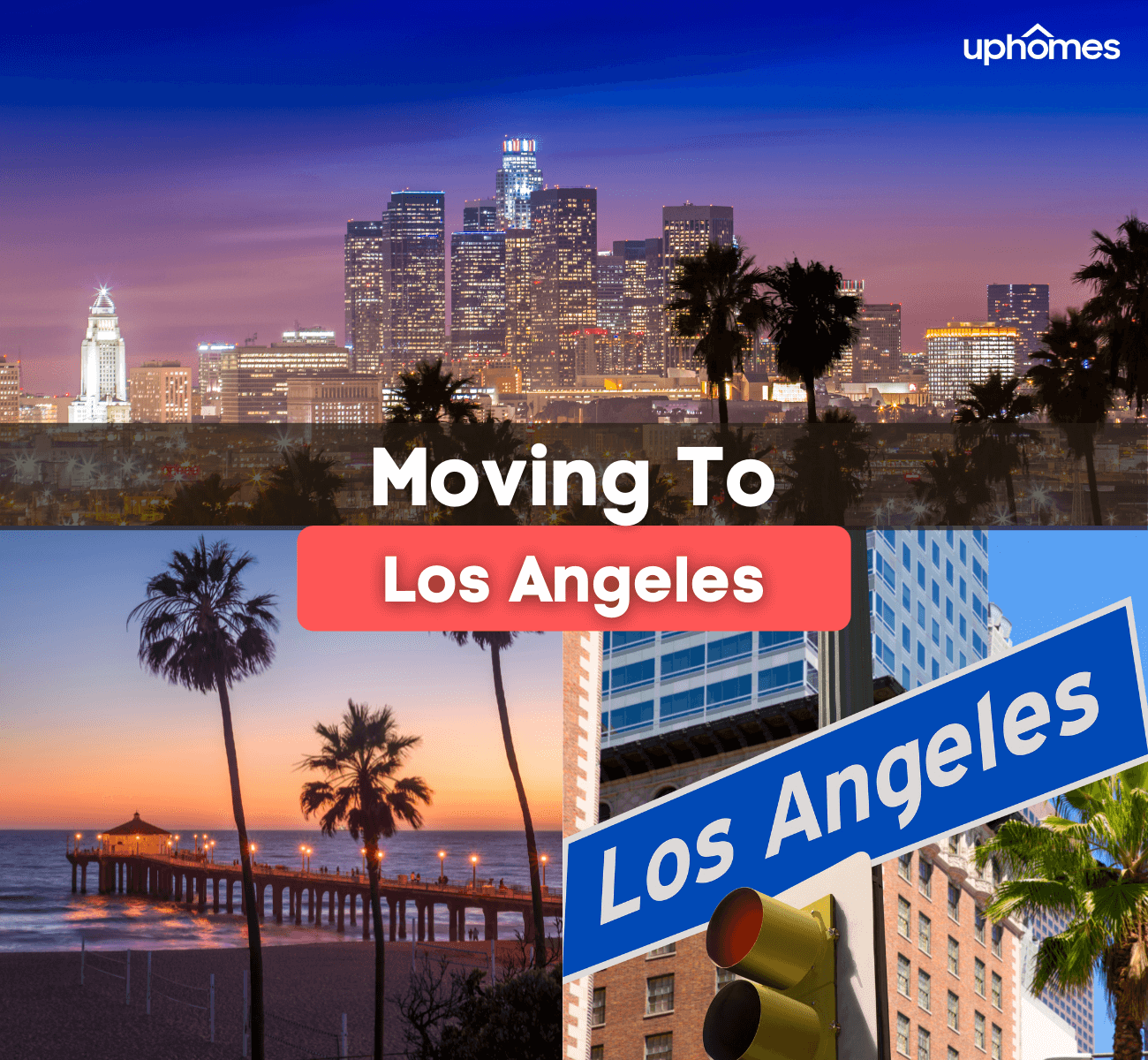
For those who prioritize ocean breezes and a slower pace of life, the coastal cities are unparalleled. Santa Monica offers a blend of professional opportunities and beach-town charm, while Venice provides an eclectic, bohemian atmosphere. Further south, Manhattan Beach and Redondo Beach appeal to families and professionals looking for pristine coastlines and highly-rated school districts. Keep in mind that coastal living comes with a premium price tag and high demand for housing stock.
Urban Connectivity and Centrality
If you prefer being at the heart of the action, look toward West Hollywood or Silver Lake. These areas are walkable by local standards and provide easy access to the culinary scenes in Culver City and the arts districts of Downtown Los Angeles. Living in the center often reduces your time spent on the 405 Freeway, an essential consideration for anyone looking to maintain their sanity during the work week.
Navigating the Rental Market and Logistics
Securing a place to live in California is an exercise in preparation. The competition for well-priced apartments is fierce, and property managers often require a rigorous vetting process.
Documentation and Financial Requirements
Before arriving, ensure you have your financial documentation in order. Most landlords in LA require proof of income—typically three times the monthly rent—along with a credit report, bank statements, and copies of your identification. If you are moving for a new job, having an official offer letter that clearly states your salary is crucial. Do not expect to secure a lease without having these documents ready for immediate submission upon touring a property.

Timing Your Move
Avoid moving during peak summer months if possible, as competition for rentals hits its zenith. September and October often see a slight cooling in the rental market. Furthermore, always prioritize touring a property in person. Neighborhood dynamics can change from street to street; what looks like a quiet residential block on a map might be situated near a busy transit corridor or a noisy construction site. Use a temporary short-term rental—such as an Airbnb or a corporate apartment—for your first 30 days to allow yourself the flexibility to explore different neighborhoods before committing to a long-term lease.
Mastering Life in the City of Angels
Once the boxes are unpacked and you have settled into your new home, the reality of living in a major metropolis sets in. Adapting to the rhythm of this city requires embracing both its logistical challenges and its cultural richness.
The Myth of Public Transportation
While the Los Angeles Metro system has seen significant expansion, including the development of the Purple Line and the Expo Line, the city remains largely car-dependent. For the vast majority of residents, owning a vehicle is a necessity for professional mobility and social convenience. Budget not just for the car itself, but for California insurance rates, parking permits, and the inevitable cost of gasoline. If you choose to forgo a vehicle, focus your search on high-density areas where grocery stores, pharmacies, and restaurants are within walking distance, though this will likely increase your monthly rent.
Building Your Social and Professional Network
Los Angeles is a city of “who you know.” It is a hub for industry professionals ranging from tech startups to media moguls. Attend local industry meetups, join clubs, or volunteer for community organizations to build a support system. Because the city is so spread out, people are often hesitant to travel long distances for social calls. Focus your early efforts on building a community within your immediate vicinity—your local coffee shop, your neighborhood park, or your local fitness center—to ensure you are not isolated by the geography.
Balancing Budget and Lifestyle
The cost of living in Los Angeles is undeniably high, particularly when factoring in housing, taxes, and entertainment. However, the city offers a wealth of free and low-cost experiences that make the financial sacrifice worthwhile.
Maximizing Free Resources
Take advantage of the Getty Center for world-class art and architecture, or spend your weekends hiking the Griffith Park trails to reach the Hollywood Sign. The city’s public beaches, such as Malibu and Zuma Beach, provide endless recreation at no cost. By balancing expensive nights out in Beverly Hills with low-cost outdoor activities, you can maintain a high quality of life without depleting your savings.

Planning for the Future
When you move to LA, consider it a marathon, not a sprint. The city is designed for long-term growth and connection. Research the local tax laws, explore the diverse food cultures ranging from Koreatown to Boyle Heights, and keep an eye on upcoming infrastructure projects that might impact your commute.
Relocating to Southern California is an investment in your personal and professional evolution. By preparing your financial documents, choosing the right neighborhood based on your daily lifestyle, and embracing the necessity of car ownership, you set the foundation for a successful life in one of the most vibrant cities on the planet. Start with patience, remain flexible during your first few months, and take the time to explore the hidden gems tucked away in every corner of the Los Angeles Basin.
LifeOutOfTheBox is a participant in the Amazon Services LLC Associates Program, an affiliate advertising program designed to provide a means for sites to earn advertising fees by advertising and linking to Amazon.com. Amazon, the Amazon logo, AmazonSupply, and the AmazonSupply logo are trademarks of Amazon.com, Inc. or its affiliates. As an Amazon Associate we earn affiliate commissions from qualifying purchases.