
To understand the identity of a Louisiana Creole is to peel back the layers of a complex, vibrant, and historically rich tapestry that defines the soul of the American South. Often misunderstood or conflated with other cultural identities, the term “Creole” in the context of this state represents a unique convergence of heritage, geography, and resilience. It is not merely a label of ethnicity but a testament to the enduring legacy of colonial history, migration, and the harmonious—and sometimes fraught—blending of distinct global cultures.
The Historical Genesis of Creole Identity
The term “Creole” originates from the Portuguese word crioulo, which originally referred to people of European descent born in the colonies rather than in the mother country. Over time, particularly in the Gulf Coast region of the United States, the definition evolved to encompass a broader spectrum of society.
Colonial Foundations
The story begins with the arrival of French and Spanish explorers in the Mississippi River Valley. As these settlers established permanent communities, they intermingled with the indigenous peoples of the region and, later, with enslaved populations brought from Africa and refugees from the Caribbean, particularly Haiti. This melting pot of ethnicities—French, Spanish, African, and Native American—formed the nucleus of what would become the Creole population.
Defining the Social Hierarchy
During the 18th and 19th centuries, particularly in New Orleans, the Creole class occupied a distinct social space. They were often urban, educated, and Catholic, distinguishing themselves from the Anglo-Protestant settlers arriving from the American colonies. This sense of pride was rooted in a sophisticated cultural identity that valued the arts, literature, and social traditions that were fundamentally different from the agrarian traditions of the neighboring Deep South.
The Cultural Markers of Creole Life
To identify as a Louisiana Creole is to participate in a specific lifestyle that permeates every aspect of daily existence. This identity is most vividly expressed through language, music, and the culinary arts, which serve as the primary conduits for cultural transmission across generations.
The Linguistic Heritage
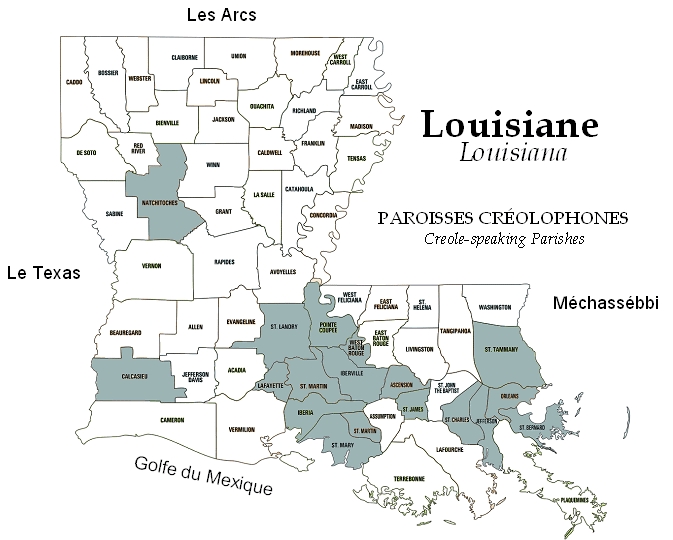
While French remains the historical root, the Creole language is a distinct linguistic system. Louisiana Creole French is a French-based creole language that developed among the African and European populations. It differs significantly from Cajun French, which is a dialect of standard French spoken by the descendants of the Acadians who were exiled from Canada. Understanding this distinction is crucial: while both groups share the geography of Acadiana, their historical trajectories and linguistic roots are markedly separate.
Culinary Artistry and Tradition
Perhaps the most famous export of Creole culture is its cuisine. Unlike Cajun cooking, which is often characterized as “country food” with an emphasis on wild game and rustic ingredients, Creole cuisine is often described as “city food.” It reflects the refined techniques of French haute cuisine combined with the bold spices and ingredients of Africa, Spain, and the Americas.

- The Foundation: Creole cooking relies heavily on the “holy trinity” of onions, bell peppers, and celery, but differentiates itself by the liberal use of tomatoes, which are largely absent from traditional Cajun dishes.
- Signature Dishes: From the rich, dark-roux gumbos served in historic bistros in the French Quarter to the complex sauces found in Shrimp Creole, the food is a historical map on a plate.
- The Influence of the Market: Historic venues like the French Market played a central role in distributing the exotic spices and fresh seafood that defined the flavor profile of the region.
Distinguishing Creole from Cajun
A common point of confusion for visitors to Baton Rouge or Lafayette is the distinction between Creole and Cajun identities. While they are often grouped together in travel literature, they stem from entirely different ancestral roots.
The Acadian Exile
The Cajuns are descendants of the Acadians—French colonists who were forcibly removed from their homes in Nova Scotia by the British in the mid-18th century. They settled in the swampy, rural areas of southwestern Louisiana, developing a culture that was isolated, resourceful, and deeply tied to the land and the bayous.
The Urban Convergence
In contrast, the Creoles are fundamentally an urban population, centered around the commerce and social life of New Orleans. Their identity is a synthesis of the various groups that inhabited the port city throughout the centuries. While the two cultures have overlapped and exchanged influences over time, maintaining the distinction respects the unique histories of both the rural, resilient Cajun and the urban, cosmopolitan Creole.
The Modern Expression of Creole Identity
In the 21st century, the definition of what it means to be a Louisiana Creole continues to evolve. It is no longer just a demographic category but a lived experience that celebrates heritage while embracing modernity.
Festivals and Preservation
The preservation of Creole music—characterized by its syncopated rhythms and the blending of accordion and violin—is a vibrant part of the state’s tourism industry. Events like the New Orleans Jazz and Heritage Festival showcase the depth of Creole musical influence on American genres like jazz, blues, and R&B. Musicians often look to the stories of their ancestors, weaving the struggles and triumphs of past generations into modern compositions that keep the culture relevant.
Architecture and Landscape
The physical environment of Louisiana, specifically its historic architecture, serves as a permanent monument to the Creole era. The Creole Cottage and the iconic Shotgun House are not just structures; they are reflections of a lifestyle that prioritized ventilation and community interaction. Walking through the Garden District or the Marigny reveals the aesthetic sensibilities of a culture that prioritized beauty and comfort in a challenging subtropical climate.
A Continuing Narrative
Today, to be a Louisiana Creole is to be a custodian of a profound historical narrative. It is an identity that acknowledges the hardships of slavery and colonial occupation while celebrating the beauty that emerged from such a diverse convergence. Visitors traveling through Louisiana find that the Creole influence is not static; it is a living, breathing component of the state’s character. Whether one is dining in a historic restaurant, listening to the echoes of music in a city square, or exploring the rural bayous, the Creole influence provides the essential rhythm and flavor that makes this region one of the most culturally significant areas in the Western Hemisphere.
By appreciating the nuances of this identity—the difference between urban and rural, the blend of global influences, and the ongoing commitment to artistic expression—travelers can gain a deeper, more authentic connection to the people and places of this remarkable state. The Creole spirit remains a vital thread in the fabric of American culture, continuously inviting those who pass through to look, listen, and taste the history that shaped the delta.
LifeOutOfTheBox is a participant in the Amazon Services LLC Associates Program, an affiliate advertising program designed to provide a means for sites to earn advertising fees by advertising and linking to Amazon.com. Amazon, the Amazon logo, AmazonSupply, and the AmazonSupply logo are trademarks of Amazon.com, Inc. or its affiliates. As an Amazon Associate we earn affiliate commissions from qualifying purchases.