
When traveling through the diverse landscapes of Florida, from the bustling streets of Miami to the historic corridors of St Augustine, visitors often notice the United States and state flags flying at half-staff. For a tourist, this visual cue is more than just a change in protocol; it is a profound window into the local culture, values, and the collective heartbeat of the Sunshine State. Understanding why these flags are lowered is an essential part of engaging with the local community and respecting the traditions that define this southern peninsula.
Understanding the Cultural Significance in Florida
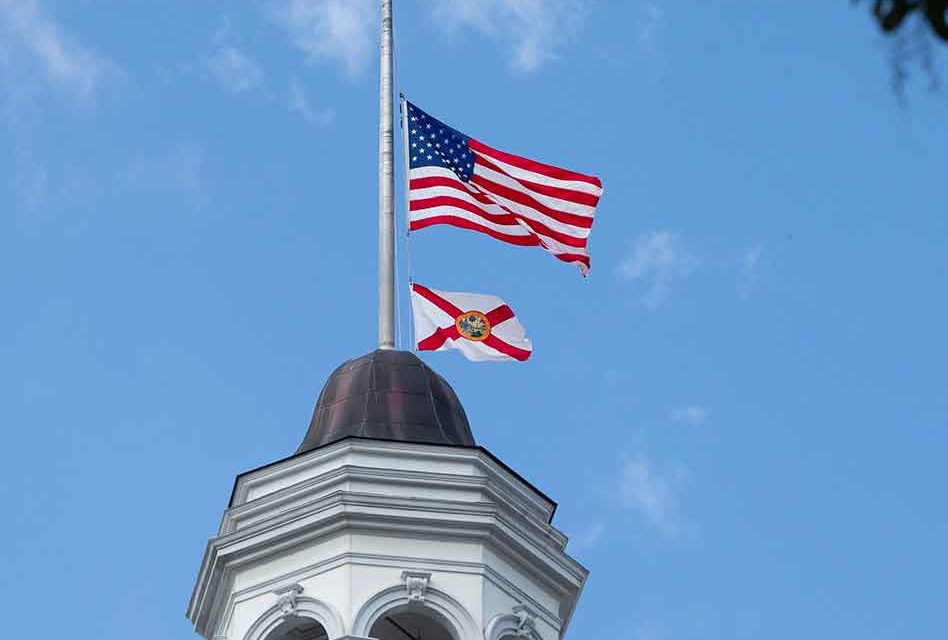
In the realm of local culture and tourism, symbols carry immense weight. For those visiting Tallahassee, the state’s capital, seeing the flags lowered at the Florida State Capitol signifies a period of shared reflection. In Florida, the act of lowering the flag—referred to as “half-staff” on land and “half-mast” on ships—is a tradition rooted in deep respect for individuals who have shaped the state’s history or for communities navigating a recent tragedy.
The Protocol of Mourning
The authority to lower flags in Florida rests primarily with the Governor or the President of the United States. For a visitor exploring the vibrant art districts of Jacksonville or the coastal beauty of Sarasota, these executive orders serve as a silent announcement of a significant event. The protocol follows specific guidelines laid out in the Flag Code, ensuring that the gesture remains a dignified tribute. It is customary for the flag to be hoisted to the peak for an instant and then lowered to the half-staff position. Before it is lowered for the day, it is again raised to the peak. This choreography of motion is a ritual that locals observe with solemnity, and tourists are encouraged to pause and acknowledge the sentiment behind it.
Key Locations for Flag Observance
While flags are lowered at all public buildings and grounds throughout the state, certain landmarks hold more weight for travelers. If you are visiting Everglades National Park or Biscayne National Park, the flags at the visitor centers are often the first thing you see. Similarly, high-traffic tourism hubs like International Drive in Orlando or the historic Key West docks will mirror these tributes. Observing these changes at major landmarks helps visitors connect the geography of their trip with the current social climate of the region.
Triggers for Lowering the Flag: Honoring the Sunshine State’s Heroes
To truly understand the “why” behind the half-staff status, one must look at who Florida chooses to honor. This is a state that takes immense pride in its public servants, military veterans, and community leaders. For a tourist, learning about these individuals offers a unique perspective on the regional history and the people who have built the modern attractions we enjoy today.
Honoring First Responders and Public Servants
Florida frequently lowers its flags to honor the passing of law enforcement officers, firefighters, and emergency medical technicians who have fallen in the line of duty. For instance, a visitor in Tampa might notice flags at half-staff and discover it is in honor of a local hero. This practice fosters a sense of community that extends even to those just passing through. It reminds travelers that behind the white-sand beaches of Clearwater Beach and the luxury resorts of Naples, there is a dedicated workforce protecting the paradise they are visiting.
Commemorative Days and National Observances
Beyond specific local events, flags are lowered on several predetermined national days of remembrance. If your vacation falls on Patriot Day (September 11), Pearl Harbor Remembrance Day (December 7), or Peace Officers Memorial Day (May 15), you will see flags at half-staff across the entire country, including all tourist destinations in Florida. On Memorial Day, the flag is flown at half-staff only until noon, then raised to the top of the staff until sunset, a tradition that signifies the nation’s resolve to rise and continue.
How Flag Protocol Affects Florida’s Landmarks and Tourism Hubs

When flags are lowered, the atmosphere at major landmarks can shift. This doesn’t mean your travel plans need to change, but it adds a layer of depth to your visits to places like the Castillo de San Marcos in St Augustine or the Kennedy Space Center on the Space Coast.
State Capitol and Government Buildings
In Tallahassee, the lowering of the flag is a highly visible event. The Florida State Capitol, with its modern tower and historic old capitol building, serves as the primary site for state mourning. Tourists visiting the capitol complex during these times will find a community in reflection. It is a poignant time to visit the Florida Vietnam Veterans Memorial located across from the capitol, where the lowered flags emphasize the sacrifice of those being remembered.
National Parks and Nature Reserves
From the Dry Tortugas National Park in the Gulf of Mexico to the Gulf Islands National Seashore near Pensacola, flag protocol is strictly followed. In these natural settings, the sight of a lowered flag against a backdrop of pristine nature is particularly striking. It serves as a reminder of the link between the land and the people who serve it. For bird watchers at Bok Tower Gardens or hikers in the Ocala National Forest, these moments of observance can become a meditative part of the outdoor experience.
Navigating Your Trip During Observance Periods
While a flag at half-staff rarely affects the operational hours of attractions like Walt Disney World Resort or Universal Studios Florida, it may coincide with local memorial services or parades. Being aware of these events can help you plan your travel routes and manage expectations regarding crowds or local sentiment.
Where to Find Official Notifications
If you are curious about why the flags are at half-staff during your stay in Florida, there are several ways to find out. Most local news outlets in cities like Fort Lauderdale, Palm Beach, and Daytona Beach provide immediate updates when the Governor issues a flag-lowering proclamation. Additionally, the official website for the Governor of Florida lists all current and upcoming flag protocols. For a traveler, checking these updates can provide context for the local mood, much like checking a weather forecast or a local events calendar.
Engaging with the Local Community
When flags are lowered for a local tragedy, such as the anniversary of the event at the Pulse Nightclub Memorial in Orlando, visitors are often moved by the outpouring of community support. In these instances, “tourism” takes on a deeper meaning. It becomes an opportunity to participate in local culture by offering a moment of silence or visiting a memorial site. Many travelers find that these experiences—while somber—are among the most impactful of their journey, providing a connection to the Florida community that goes beyond the typical tourist experience.

Tips for Respectful Observation
As a visitor in Florida, navigating these periods of mourning is simple if you follow a few basic tips. Respect is the universal language of travel, and nowhere is it more apparent than in how we respond to local symbols.
- Avoid asking staff at landmarks in a casual or dismissive tone. If you see flags at half-staff at The Breakers in Palm Beach or The Don CeSar in St Pete Beach, feel free to ask about the reason, but do so with an understanding that it might be a sensitive topic for the locals.
- Observe the atmosphere. If you are in a small town like Mount Dora or Tarpon Springs during a local day of mourning, you may notice a quieter-than-usual vibe in the cafes and shops. Adapting your energy to match the local environment is a mark of a seasoned and respectful traveler.
- Participate if appropriate. On national days of remembrance, many communities in Florida, from Pensacola to Miami Beach, hold public ceremonies. These are often open to the public and can be a beautiful way to experience local traditions and history firsthand.
The flags of Florida tell a story that is constantly evolving. Whether they are flying high over the Atlantic Ocean or lowered in a quiet square in Panama City Beach, they serve as a guide to the state’s values. For the curious tourist, the question “Why are flags at half-staff?” is the first step in discovering the rich, complex, and deeply human side of the Florida Keys, the Gold Coast, and every corner of this remarkable state. By taking the time to understand these protocols, you ensure that your visit to Florida is not just about the sites you see, but the culture you truly experience.
LifeOutOfTheBox is a participant in the Amazon Services LLC Associates Program, an affiliate advertising program designed to provide a means for sites to earn advertising fees by advertising and linking to Amazon.com. Amazon, the Amazon logo, AmazonSupply, and the AmazonSupply logo are trademarks of Amazon.com, Inc. or its affiliates. As an Amazon Associate we earn affiliate commissions from qualifying purchases.