
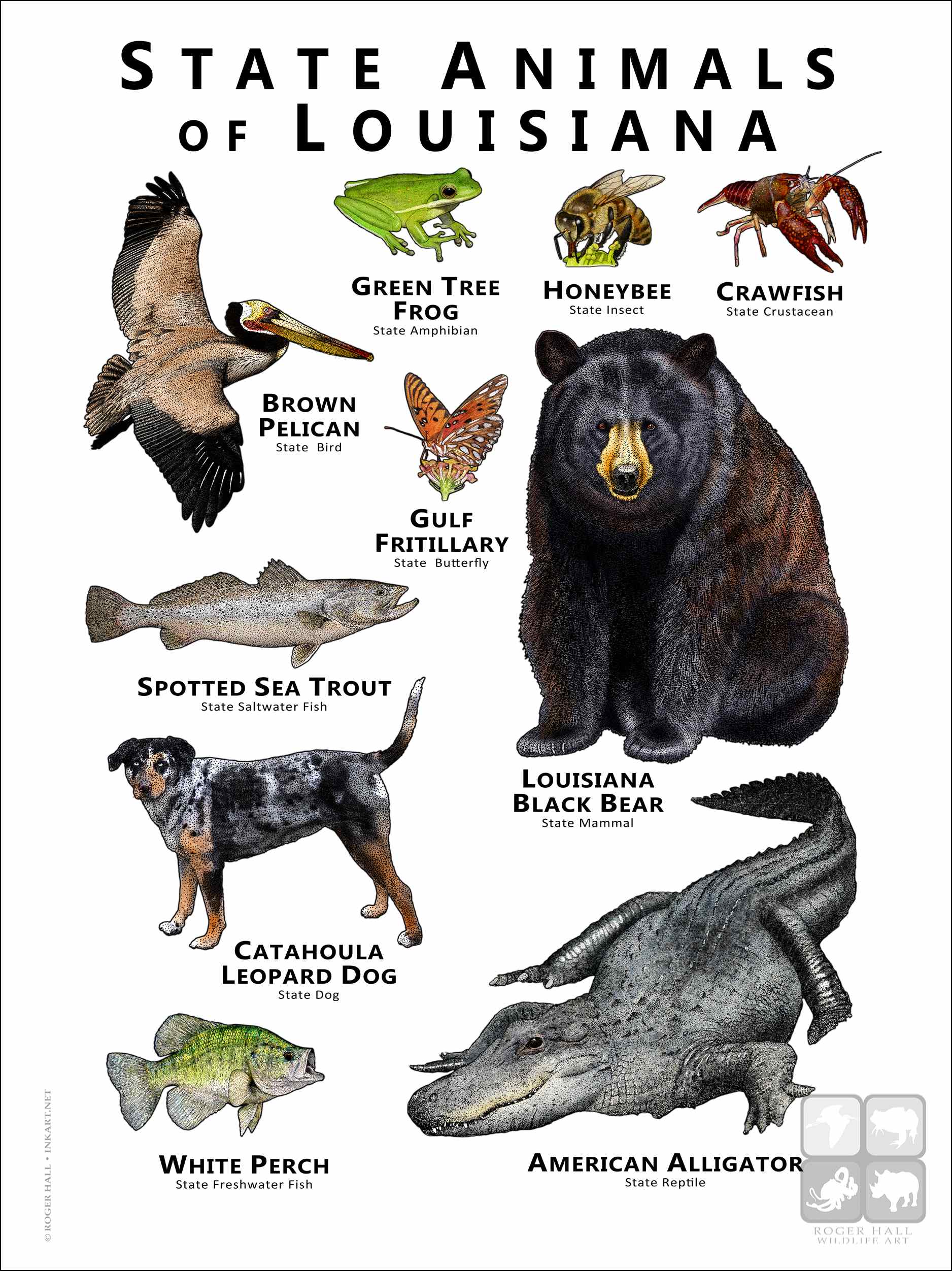
When exploring the rich tapestry of the American South, few regions offer the biological diversity and cultural depth found in Louisiana. This state is defined by its sprawling wetlands, mysterious bayous, and a deep, historical connection to the land and its creatures. While many travelers visit the vibrant streets of New Orleans for its jazz and cuisine, the true spirit of the state is often found in its untamed natural landscapes. At the heart of this wild heritage is the official state animal, a creature as iconic as the state itself: the Louisiana Black Bear.

The Symbolism of the Louisiana Black Bear
The selection of the Louisiana Black Bear as the state animal is far more than a mere administrative choice; it is a testament to the state’s commitment to conservation and its reverence for the region’s historical ecological identity.
A History of Resilience
The Louisiana Black Bear has a storied past that intertwines with the cultural fabric of the United States. Famously, the “Teddy Bear” was inspired by a hunting trip involving Theodore Roosevelt in the state of Mississippi, an event that drew attention to the plight of these majestic mammals across the entire southern river valley. In Louisiana, the bear was once pushed to the brink of extinction due to habitat loss and intense agricultural expansion. Its official designation as the state animal served as a rallying cry for activists and wildlife experts, fostering an environment where protection efforts could thrive.
Ecological Importance
As an apex predator and a keystone species, the bear plays a critical role in maintaining the health of the Atchafalaya Basin. By roaming through diverse habitats—ranging from hardwood forests to swampy lowlands—these bears help distribute seeds and regulate small mammal populations. Their presence is a primary indicator of a healthy, functioning ecosystem. For those traveling through the southern reaches of the state, spotting evidence of this animal’s presence is a reminder of the raw, untouched power of the Gulf Coast wilderness.
Exploring the Natural Habitat of Louisiana
To truly understand the state animal, one must immerse themselves in the geography that shapes its life. The landscape of Louisiana is a complex network of waterways, marshes, and dense forests that offer both challenges and sanctuary to local wildlife.
The Mysteries of the Atchafalaya Basin
The Atchafalaya Basin represents the largest wetland and swamp in the United States. It is here that the Louisiana Black Bear finds its most significant stronghold. Travelers interested in nature and wildlife photography often head to this region to experience the silent, haunting beauty of the cypress swamps. Navigating these waters by boat provides a unique perspective on the dense canopy that bears utilize for shelter and foraging.
The Connection to Coastal Regions
While the bears prefer forested regions, their range historically extends into the coastal plains. As visitors move from the metropolitan excitement of New Orleans toward the more remote southern corners, the transition from urban civilization to the rugged, untamed marshes is stark. These areas, including parts of the Baton Rouge periphery and the northern reaches toward the Arkansas border, showcase the diverse range of environments that define the state.
Conservation and Public Perception
The journey of the Louisiana Black Bear from an endangered species to a successful comeback story is a primary highlight of the state’s natural history. It highlights how local culture and ecological preservation can coexist to save an iconic symbol of the landscape.
A Successful Recovery
In the late 20th century, the Louisiana Black Bear was listed under the federal Endangered Species Act. Decades of collaboration between the Louisiana Department of Wildlife and Fisheries, private landowners, and national conservation groups led to the successful reforestation of thousands of acres. Because of these efforts, the bear was officially delisted in 2016, marking a rare and celebrated victory for conservationists.
Wildlife Viewing and Ethics
For the casual traveler, the prospect of seeing a bear in the wild is thrilling, yet it demands a high level of responsibility. Respecting the habitat is the golden rule of ecotourism in Louisiana. While many visitors flock to the French Quarter for the nightlife, those seeking a deeper connection with the state should venture into designated national wildlife refuges.
When visiting areas frequented by the Louisiana Black Bear, it is essential to:
- Stay on marked trails: This minimizes the impact on the bear’s sensitive habitat.
- Keep a distance: Using binoculars or telephoto lenses allows for observation without disturbing the animal’s natural behavior.
- Practice “Leave No Trace”: Ensuring that food and waste are not left behind is crucial to preventing habituation, which can be dangerous for both humans and bears.
Cultural Impact and the Future of State Pride
The Louisiana Black Bear serves as a bridge between the past and the future of Louisiana. Its image appears in local art, educational materials, and state-sponsored tourism campaigns, reinforcing a collective identity that values the land.
Bridging Tourism and Ecology
Modern travel trends in the United States show an increasing interest in sustainable, nature-based experiences. As Louisiana continues to evolve its tourism offerings, the focus on the natural environment alongside its world-famous food and music culture provides a well-rounded experience for visitors. By highlighting the state animal, the tourism industry encourages travelers to appreciate the hidden gems of the state—beyond the popular festival circuits.
A Legacy for Future Generations
The story of the Louisiana Black Bear is one of persistence. It serves as a reminder to residents and visitors alike that when we invest in the preservation of our natural spaces, the rewards are immense. Whether you are exploring the deep forests near Shreveport or drifting through the quiet waters of the southern basins, the presence of the black bear is a testament to the resilience of the American South.
As you plan your next trip to this fascinating corner of the United States, look beyond the neon lights and the bustling city streets. Take a moment to acknowledge the wilder side of Louisiana. By seeking out the landscapes where the Louisiana Black Bear resides, you are participating in a tradition of respect for nature that is as old as the swamps themselves. This state animal is a symbol of strength, a survivor of the past, and a beacon of hope for a sustainable future.
LifeOutOfTheBox is a participant in the Amazon Services LLC Associates Program, an affiliate advertising program designed to provide a means for sites to earn advertising fees by advertising and linking to Amazon.com. Amazon, the Amazon logo, AmazonSupply, and the AmazonSupply logo are trademarks of Amazon.com, Inc. or its affiliates. As an Amazon Associate we earn affiliate commissions from qualifying purchases.