
The history of Miami, a shimmering metropolis known globally for its Art Deco skylines and vibrant coastal culture, is a story of transformation. While many perceive the city as a relatively modern construct of the 20th century, its roots run deep into the soil of Florida. Understanding when Miami was founded requires a look beyond the official incorporation date and into the layers of indigenous presence, colonial ambition, and the sheer force of will that turned a swampy outpost into an international hub.
The Indigenous Roots and Early Settlement
Long before the neon lights of Ocean Drive defined the image of the region, the area was home to the Tequesta people. These indigenous inhabitants thrived along the banks of the Miami River for thousands of years. They were a sophisticated society, utilizing the abundant marine life and the natural geography to establish a complex civilization.
The Colonial Interference
European interest in the region began in the 16th century, though it was largely characterized by failed attempts at permanent colonization. Pedro Menendez de Aviles, a Spanish explorer, established a mission near the mouth of the river in the late 1500s. However, the hostile climate, the challenging terrain, and the resistance of the local tribes meant that this settlement—and subsequent attempts by the Spanish and later the British—remained transient. For centuries, the area was largely viewed as a strategic but inhospitable gateway between the Caribbean and the United States.
The Path to Official Incorporation
The true catalyst for the founding of modern Miami arrived in the late 19th century, driven by an unlikely partnership between land developers and the expansion of the railroad. The definitive moment for the city’s birth is widely recognized as July 28, 1896. This was the date on which the city was officially incorporated, marking its transition from a quiet collection of pioneer homesteads to a formalized municipal entity.
Julia Tuttle: The Mother of Miami
The primary figure credited with the realization of the city is Julia Tuttle. A wealthy widow from Cleveland, Ohio, Tuttle moved to the area in the late 1800s. She possessed a vision for the region that few others could grasp. While many viewed the area as an isolated wilderness, she saw potential in the natural harbor and the mild winters.
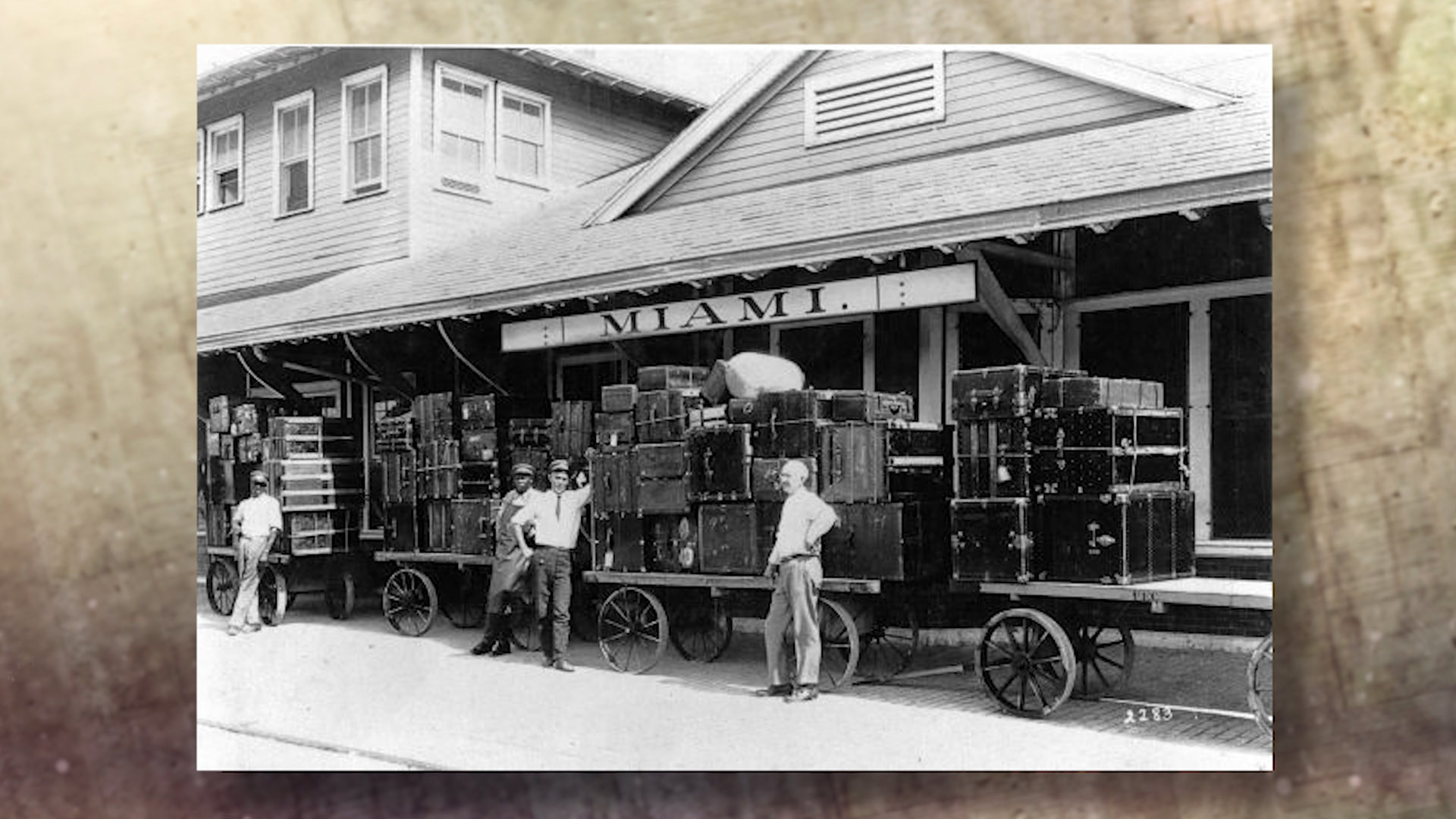
Tuttle engaged in a famous negotiation with Henry Flagler, the industrialist behind the Florida East Coast Railway. As the story goes, she sent Flagler a sprig of orange blossoms during a particularly brutal frost in northern Florida, proving that the climate in the southern tip of the state remained warm enough to sustain delicate crops. Convinced by the evidence and the prospect of land grants, Flagler extended his railroad tracks to the region, effectively plugging the settlement into the national economy.

From Frontier Town to Global Icon
Once the railroad arrived, the transformation was rapid. The population of the area exploded, and the geography that had previously been a hurdle became the city’s greatest asset.
The Land Boom and Architectural Identity
The early 20th century saw the city expand through land reclamation and ambitious engineering projects. The development of Miami Beach across the bay transformed the region into a premier destination for the wealthy elite. The architectural style that emerged—the Art Deco District—gave the city a distinct visual identity that continues to draw millions of visitors annually.
Cultural Shifts and Modern Expansion
The mid-to-late 20th century brought further evolution. The influx of refugees from Cuba in the 1960s fundamentally altered the city’s demographics, food, music, and language, cementing its status as the “Capital of Latin America.” Neighborhoods such as Little Havana became epicenters of cultural expression, adding a layer of depth to the city’s already diverse history.
This period shifted the perception of the city from a seasonal retreat for northern tourists to a year-round powerhouse of commerce, fashion, and international diplomacy. Today, landmarks like the Vizcaya Museum and Gardens stand as testaments to the transition from the frontier days of the late 1890s to the opulent Gilded Age prosperity that followed.
Understanding the Legacy Today
When one walks through the streets of modern-day Miami, the historical layers are evident. From the ancient burial mounds that still exist within urban parks to the high-rise glass condos overlooking Biscayne Bay, the city is a dialogue between its past and its future.

Why the Founding Date Matters
The date of July 28, 1896, is more than just a line in a history book; it represents the moment that human ambition overcame environmental resistance. It reminds visitors that the glitz and glamour associated with the city today were built upon the persistence of figures like Tuttle and Flagler, and the labor of the diverse groups who flocked to the region during its initial boom.
Visiting the city with this context provides a richer experience. Whether exploring the historical markers in Downtown Miami or observing the preservation efforts in historic residential areas, one gains an appreciation for the structural longevity of the city.
The story of the founding of this city is not one of a sudden event, but of a long, deliberate climb. It is a testament to how geography, when paired with vision, can create a destination that stands as a pillar of culture, economy, and historical significance. By looking back to those late 19th-century beginnings, we better understand how the city successfully navigated the challenges of its environment to emerge as one of the most recognizable and dynamic locations on the planet. Its history is a living, breathing component of every visitor’s experience, embedded in the very architecture, street names, and cultural rhythms that define the daily life of this tropical metropolis.
LifeOutOfTheBox is a participant in the Amazon Services LLC Associates Program, an affiliate advertising program designed to provide a means for sites to earn advertising fees by advertising and linking to Amazon.com. Amazon, the Amazon logo, AmazonSupply, and the AmazonSupply logo are trademarks of Amazon.com, Inc. or its affiliates. As an Amazon Associate we earn affiliate commissions from qualifying purchases.