
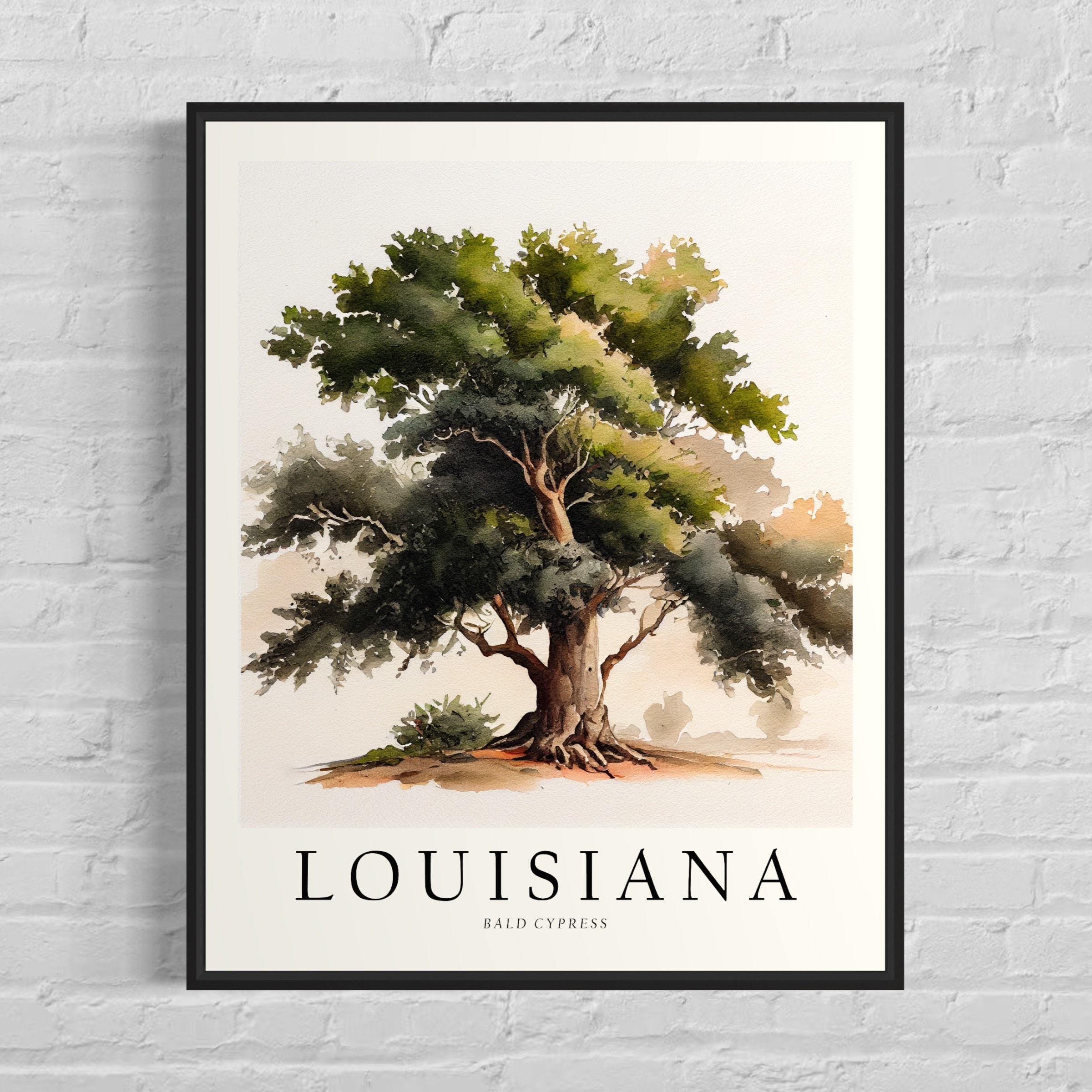
When traversing the bayous and historic avenues of Louisiana, one cannot help but notice the profound influence of nature on the state’s cultural and visual identity. From the moss-draped swamps of Atchafalaya Basin to the manicured squares of New Orleans, the landscape is defined by a specific, majestic sentinel. The official state tree of Louisiana is the Bald Cypress (Taxodium distichum), a species that serves as a living emblem of the state’s resilience and its deep, watery roots.
The Significance of the Bald Cypress in Southern Landscapes
The choice of the Bald Cypress as the state tree is far from arbitrary. It is a tree that embodies the very essence of the United States Gulf Coast region. Unlike many conifers, the Bald Cypress is deciduous, meaning it sheds its needles in the autumn, giving rise to its namesake appearance of being “bald” during the winter months.

A Natural Monument in the Swamp
The Bald Cypress thrives in the saturated soils of the Mississippi River delta and the expansive wetlands that characterize the geography of the South. These trees are known for their longevity and their ability to withstand the unique pressures of swamp ecosystems. Standing as silent sentinels, they often reach impressive ages, with some specimens in the region dating back centuries. For visitors exploring the Honey Island Swamp, the towering trunks of these trees, often draped in ghost-like curtains of Spanish moss, provide an ethereal backdrop that is synonymous with the Southern gothic aesthetic.
Biological Adaptations
What makes the Bald Cypress particularly fascinating is its unique biological architecture. The most notable feature is the “cypress knee,” a woody protrusion that grows upward from the roots above the water or soil line. While scientists continue to debate the exact purpose of these knees—with theories ranging from structural stability in soft mud to oxygen intake—they remain one of the most recognizable features of the Louisiana wetlands.
Historical and Cultural Ties to the Region
The history of the Bald Cypress is inextricably linked to the development of the region. Long before the state was carved out by settlers, indigenous peoples used the rot-resistant wood of the cypress to craft dugout canoes, a testament to the tree’s durability.
Industry and Architecture
During the expansion of the timber industry in the 19th and early 20th centuries, the Bald Cypress became known as the “wood eternal.” Its natural oils make it highly resistant to decay and termites, leading to its widespread use in the construction of historic homes and structures across Baton Rouge, Lafayette, and beyond. Many of the antebellum homes found near Lake Pontchartrain owe their structural longevity to the high-quality cypress harvested from the surrounding basins.

Preservation and Ecotourism
Today, the role of the Bald Cypress has shifted from a primary commodity to a protected ecological treasure. Organizations and local conservationists focus on the preservation of these trees, as they act as vital buffers against storm surges and coastal erosion. For those interested in the natural history of the region, visiting the Jean Lafitte National Historical Park and Preserve offers a profound look at how these giants anchor the swamp ecosystems. Walking the boardwalks through these dense cypress forests provides an immersive experience that highlights why this tree was chosen to represent the state.
Exploring the Natural Landmarks of Louisiana
While the Bald Cypress is the undisputed monarch of the swamps, it is part of a broader network of natural landmarks that define the state. Understanding the state tree provides a lens through which to view the rest of the landscape.
Connecting the Tree to the Landscape
When visiting Louisiana, travelers often find that the state tree is the common thread in a larger tapestry. Whether one is paddling through the Caddo Lake area or birdwatching in the Kisatchie National Forest, the presence of the Bald Cypress remains a constant. It is the anchor for biodiversity, providing a habitat for bald eagles, herons, and the iconic American alligator.
Tips for Nature Enthusiasts
For those planning a trip, the best time to see these majestic trees in their element is during the spring or late autumn. In the spring, the trees emerge with vibrant, lime-green needles that shimmer against the dark swamp water. In the autumn, the needles turn a rustic copper color before falling, creating a reflective, golden carpet on the water’s surface.
To fully appreciate the significance of the state tree, consider these suggestions:
- Guided Swamp Tours: Engaging with local guides in areas like Breaux Bridge allows for an intimate understanding of the ecosystem.
- Botanical Gardens: Many cities feature specimens of the tree in formal settings, such as the New Orleans Botanical Garden, which can be a great starting point for those who prefer to keep their feet on dry land.
- Photography Excursions: The interplay of light and shadow through the cypress canopy is a favorite subject for photographers visiting the region.
The Lasting Legacy of the Bald Cypress
The Bald Cypress is more than just a botanical designation; it is a symbol of endurance. It survives in environments that would be inhospitable to most other flora. By selecting this specific tree as the state symbol, Louisiana celebrates its ability to weather the storms and floods that periodically test the spirit of the Gulf Coast.
As you explore the diverse landmarks of the state, keep an eye out for the distinctive, flared bases and knobby knees of the Bald Cypress. Recognizing these trees transforms a simple stroll or boat ride into an educational journey through the natural heritage of the American South. From the bustling streets of New Orleans to the quiet corners of the Atchafalaya Basin, the Bald Cypress stands as a testament to the enduring beauty of Louisiana, serving as a silent, sturdy reminder of a landscape that is both delicate and remarkably strong. Whether you are a history buff, a nature lover, or a curious traveler, the story of the state tree offers a compelling look at the heart of the bayou country.
LifeOutOfTheBox is a participant in the Amazon Services LLC Associates Program, an affiliate advertising program designed to provide a means for sites to earn advertising fees by advertising and linking to Amazon.com. Amazon, the Amazon logo, AmazonSupply, and the AmazonSupply logo are trademarks of Amazon.com, Inc. or its affiliates. As an Amazon Associate we earn affiliate commissions from qualifying purchases.