
Traveling across the vast expanse of New York state offers a fascinating glimpse into the diverse geography of the American Northeast. For travelers looking to traverse the distance between the bustling metropolis of New York City and the industrial, historic charm of Buffalo, understanding the logistics of the journey is essential. Spanning approximately 450 miles, this route takes adventurers from the Atlantic coast, through the scenic rolling hills of the Finger Lakes region, and finally to the majestic shores of Lake Erie. Whether you are planning a business trip or a scenic getaway, the duration of your journey depends heavily on your choice of transportation.
Driving Through the Empire State
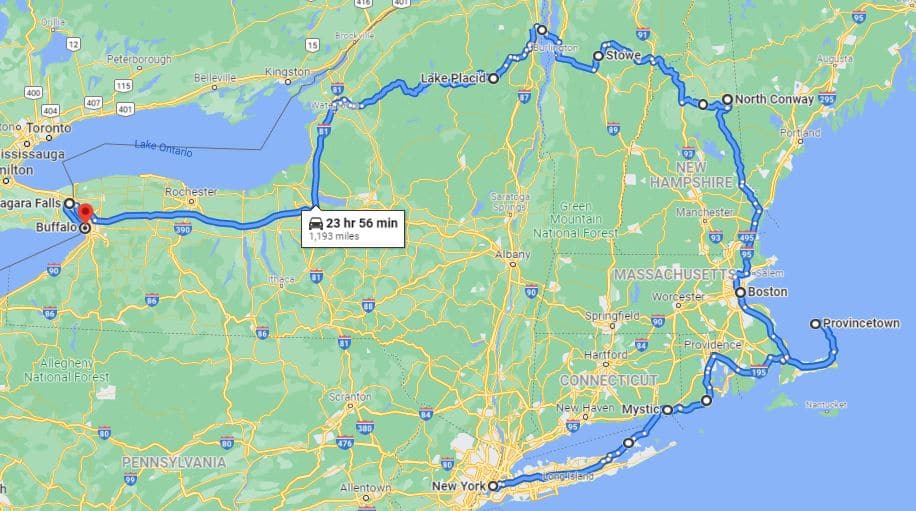
For many, driving remains the preferred method of transit, offering the flexibility to stop at various points of interest along the way. When traveling by car, the most direct route typically involves taking Interstate 80 or the New York State Thruway, also known as Interstate 90.
Estimating Travel Time
Under ideal traffic conditions, the drive usually takes between seven and eight hours. However, travelers should be aware that departing from Manhattan during peak hours can significantly extend this timeframe. The route is largely straightforward, passing through major upstate hubs such as Albany, Syracuse, and Rochester.
Road Trip Essentials
If you choose to drive, consider building in time for stops. The region between these two cities is rich in culture and natural beauty. Exploring local wineries in the Finger Lakes or pausing to view the rolling landscape near the Catskill Mountains can transform a standard commute into a memorable vacation. Always check road conditions, especially during the winter months, as heavy snowfall in the upstate region is common and can impact travel safety.
Rail and Bus Travel: The Scenic Alternative
For those who prefer to relax and enjoy the passing scenery without the stress of navigating highway traffic, rail and bus travel provide convenient and often more affordable alternatives.
Taking the Amtrak Train
Amtrak offers the Empire Service, which is a popular choice for commuters and tourists alike. Departing from Moynihan Train Hall at Penn Station, the train journey offers a relaxing experience with ample legroom and stunning views of the Hudson River. While the train journey can take anywhere from eight to nine hours, the ability to work or move about the cabin makes it a productive way to travel. The line terminates at Buffalo-Depew Station, which serves as a gateway to the broader Western New York region.

Coach Bus Options
Bus lines such as Greyhound and Trailways operate daily routes between the two cities. These services are often the most budget-friendly option. Departing from the Port Authority Bus Terminal, passengers can expect a travel time of approximately eight to ten hours, depending on the number of stops and traffic congestion. While it may lack the space of a train or the freedom of a car, it remains a reliable choice for budget-conscious travelers.
Taking to the Skies: Air Travel
If your priority is efficiency, flying is the fastest way to bridge the distance. Multiple airlines provide direct flights that cut the travel time down significantly.
Flight Logistics
A flight from John F. Kennedy International Airport or LaGuardia Airport to Buffalo Niagara International Airport typically lasts just over one hour in the air. When you factor in security checkpoints, boarding, and transit to and from the airports, the total travel time usually averages around four to five hours.
Considering the Logistics
While air travel is objectively the fastest, it is important to weigh the time spent in airport transit against the ease of ground transportation. If you are staying near the city center in [New York City], the time taken to travel to Queens or Brooklyn for a flight might negate some of the speed benefits compared to hopping on a train in the middle of Midtown.
Regional Considerations and Tips
Understanding the geography of New York State is key to making an informed decision about your trip. The distance between the coast and the Great Lakes basin is vast, and weather patterns can vary wildly between the two ends of the state.
Seasonal Travel Planning
Travelers should always account for the season. In the summer, the drive can be incredibly beautiful as the greenery is at its peak. In the autumn, the foliage along the Adirondacks and the central regions creates one of the most stunning drives in the United States. However, winter travel requires extra caution. Buffalo is famous for its lake-effect snow, and the thruway can occasionally face closures or slowed speeds during intense weather events. Always keep an eye on weather forecasts when planning travel between November and March.
Making the Most of the Destination
Once you arrive in [Buffalo], you will find a city undergoing a vibrant renaissance. Famous for its Art Deco architecture, the city is a treasure trove for history buffs and design enthusiasts. A short drive away lies Niagara Falls, one of the world’s most iconic natural wonders, which serves as a perfect final destination for those traveling from the southern part of the state.
Whether you choose the speed of a jet, the convenience of a train, or the adventure of a road trip, the journey from New York City to Buffalo is a classic American transit route. By preparing for the duration and considering the unique benefits of each mode of transport, you can ensure that your transition between the state’s two most influential cities is as smooth and enjoyable as possible. Regardless of which method you select, you are guaranteed a journey that showcases the incredible architectural, cultural, and environmental diversity that defines New York.
LifeOutOfTheBox is a participant in the Amazon Services LLC Associates Program, an affiliate advertising program designed to provide a means for sites to earn advertising fees by advertising and linking to Amazon.com. Amazon, the Amazon logo, AmazonSupply, and the AmazonSupply logo are trademarks of Amazon.com, Inc. or its affiliates. As an Amazon Associate we earn affiliate commissions from qualifying purchases.