
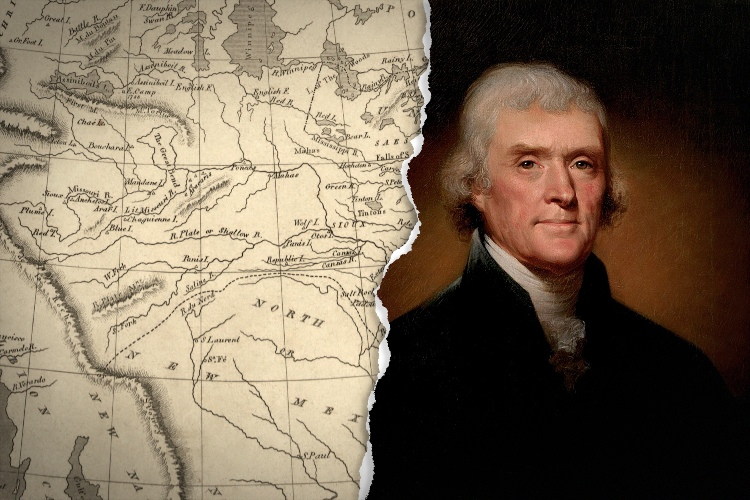
The historic acquisition of the Louisiana Territory remains one of the most transformative events in the development of the United States. At the helm of this monumental decision was Thomas Jefferson, the third president of the nation. His vision for an expanding republic, coupled with the geopolitical instability of Europe, set the stage for a deal that would effectively double the size of the country overnight. Understanding the gravity of this purchase requires looking beyond the signature on the treaty; it involves examining the landscape, the motivations of global powers, and the enduring legacy of the landmarks that now define this vast region.
The Architect of Expansion and the Geopolitical Climate
Thomas Jefferson navigated a complex international landscape to secure the territory. In the early 19th century, France held control over the massive wilderness spanning from the Mississippi River to the Rocky Mountains. Under the leadership of Napoleon Bonaparte, the French empire sought to bolster its finances for renewed warfare across the continent. Simultaneously, the United States was deeply concerned about access to the vital port of New Orleans.
Securing the Gateway to the West
Access to the Gulf of Mexico was essential for American farmers and merchants. When rumors surfaced that the territory might be transferred from Spain to France, Thomas Jefferson directed his ministers, including James Monroe, to negotiate the purchase of New Orleans. What they encountered, however, was a total surprise: Napoleon Bonaparte was willing to sell the entirety of the Louisiana Territory for the price of 15 million dollars. This acquisition would encompass lands that would eventually become states such as Louisiana, Missouri, Arkansas, and Iowa, among many others.
Exploring the Landmarks of the Louisiana Purchase
The geography acquired through the treaty is vast, diverse, and filled with historical landmarks that tell the story of North American exploration. Travelers today can visit the sites that define this monumental purchase, ranging from the muddy banks of the Mississippi River to the peaks of the Rocky Mountains.
The Confluence of History and Nature
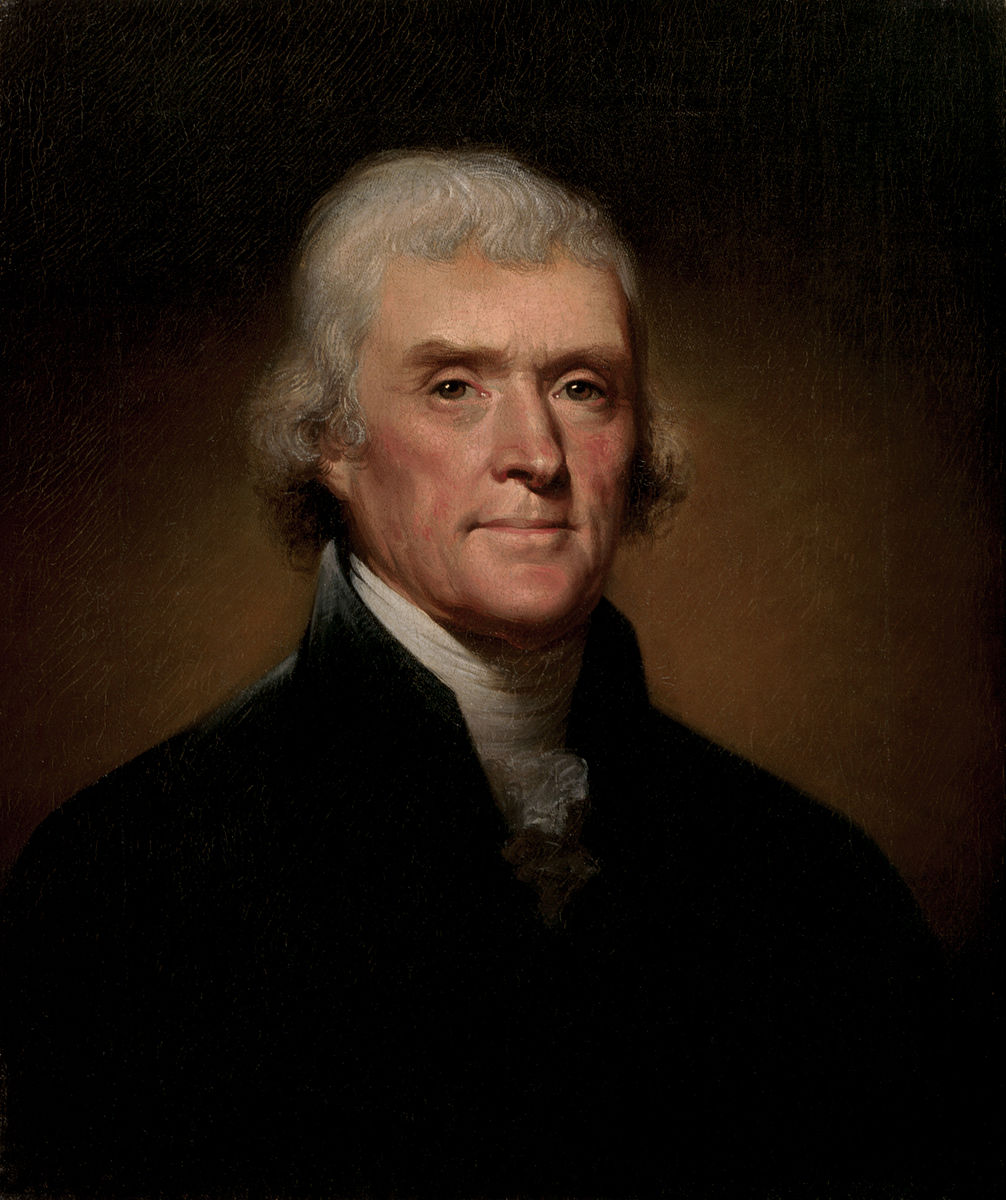
One cannot discuss the purchase without acknowledging the Lewis and Clark National Historic Trail. Commissioned by Thomas Jefferson shortly after the treaty was signed, Meriwether Lewis and William Clark set out to map the newly acquired wilderness. Today, the trail offers a window into the untouched beauty of the American West. Landmarks such as St. Louis, known as the “Gateway to the West,” stand as a monument to the starting point of this legendary expedition. The Gateway Arch remains the most recognizable structure marking the expansionist spirit of that era.
Cultural Landscapes and Heritage Sites
Beyond the Rocky Mountains, the territory encompasses the rich culture of New Orleans, where the handover ceremony took place. The French Quarter serves as a living museum, reflecting the blend of cultures—French, Spanish, African, and Native American—that populated the region long before the arrival of American settlers. Visitors to Louisiana often find that the spirit of the Louisiana Territory is best captured in the architecture and the preserved historic districts that have stood since the turn of the 19th century.
The Long-Term Impact on American Geography
The decision made by Thomas Jefferson in 1803 effectively shifted the trajectory of the United States from a burgeoning coastal nation to a continental power. By removing foreign entanglements and opening the interior of the continent, the purchase encouraged a westward migration that would define the next century of history.
The Evolution of the Frontier
As explorers crossed the Missouri River, they encountered landscapes that would eventually be protected for their natural beauty. National parks within the former territory, such as Yellowstone National Park and the Badlands National Park, offer modern travelers a glimpse of the untamed wilderness that Thomas Jefferson and his contemporaries could only dream of. These areas are not just tourist attractions; they are enduring legacies of an expansion that changed the world.

A Legacy Measured in Land and Culture
The Louisiana Purchase brought with it the integration of vastly different ecosystems and cultural histories. From the plains of Kansas to the bayous of Louisiana, the territory is a patchwork of American identity. The purchase was not merely a transaction of currency for acreage; it was the purchase of a future. Today, the landmarks scattered across the Great Plains and the Mississippi River Valley serve as silent witnesses to the ambitious vision of the third president.
When we look back at the maps of 1803, we see the foundation of the modern United States. Thomas Jefferson may have faced criticism regarding the constitutionality of the purchase, but his legacy is undeniably etched into the landscape of the continent. Travelers exploring the vast expanse from the Rockies to the delta are essentially walking through a living document of history—one that started with a bold decision in a rapidly changing world. Whether wandering through the historical corridors of St. Louis or trekking the trails of the American West, one can always feel the weight and the promise of that monumental transaction. The Louisiana Purchase remains the cornerstone of American expansion, inviting us to continue exploring the breadth and depth of a nation defined by its horizon.
LifeOutOfTheBox is a participant in the Amazon Services LLC Associates Program, an affiliate advertising program designed to provide a means for sites to earn advertising fees by advertising and linking to Amazon.com. Amazon, the Amazon logo, AmazonSupply, and the AmazonSupply logo are trademarks of Amazon.com, Inc. or its affiliates. As an Amazon Associate we earn affiliate commissions from qualifying purchases.