
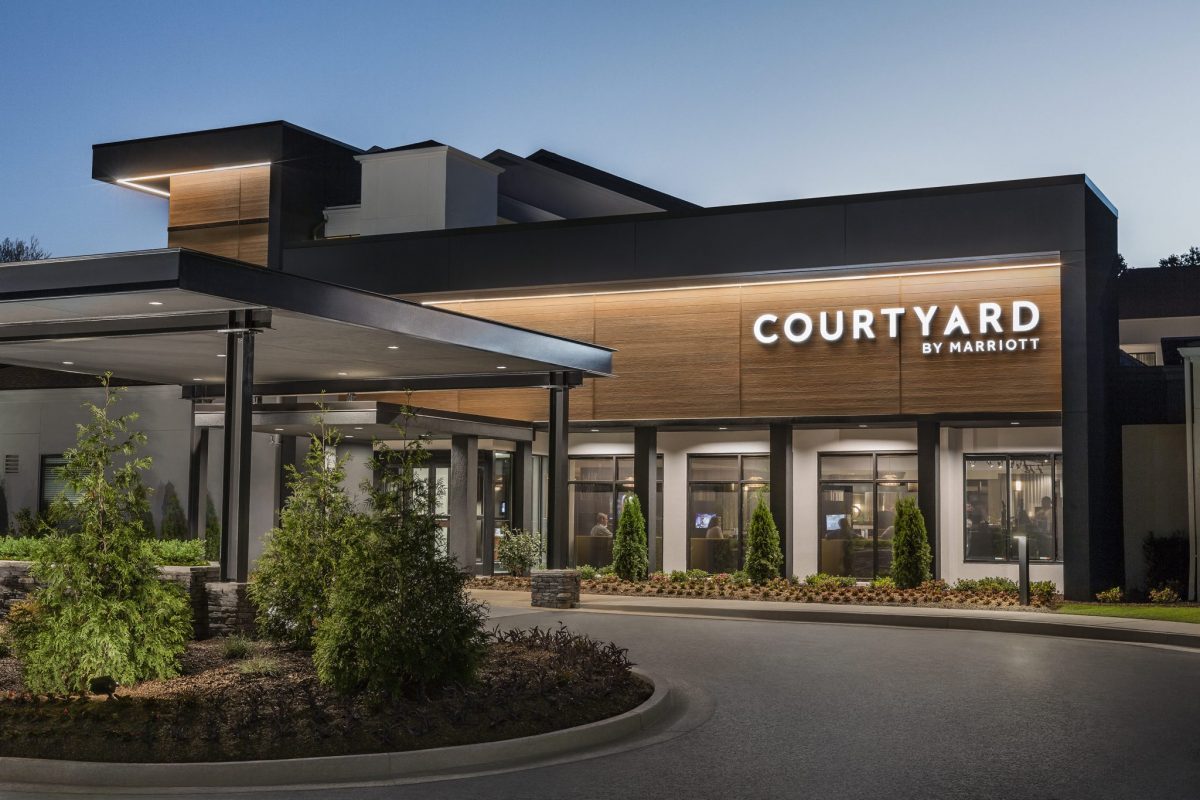
When you check into a Courtyard by Marriott, you are interacting with one of the most recognizable brands in the hospitality industry. While the sleek signage and consistent service are synonymous with the Marriott International name, the actual ownership structure of these hotels is often more nuanced than the average guest might realize. Understanding who owns these properties requires a deep dive into the corporate hierarchy, franchise models, and the real estate investment strategies that fuel the global growth of the Marriott portfolio.
The Corporate Umbrella: Marriott International
At the highest level, the brand rights and the operational strategy for Courtyard are held by Marriott International. Headquartered in Bethesda, Maryland, this corporate giant is responsible for setting the brand standards, managing the loyalty programs, and overseeing the marketing that keeps these hotels competitive in the United States and across the globe.

Defining the Brand Identity
Courtyard was launched in 1983 with a specific goal: to provide a home-away-from-home for business travelers who needed reliability and comfort without the overhead of full-service luxury properties. Since its inception, Marriott International has meticulously curated the guest experience, ensuring that whether a traveler is in New York City, London, or Tokyo, they receive a standardized, high-quality product.
The Role of Corporate Operations
While Marriott International owns the brand equity, they do not necessarily own the physical bricks and mortar of every hotel. In fact, the company has shifted its strategy over the last few decades toward an “asset-light” model. This means they are primarily in the business of managing brands and franchising, rather than acting as a real estate developer or a landlord.
The Franchise and Management Model
The vast majority of Courtyard by Marriott properties are either franchised or managed under long-term contracts. This model allows the brand to expand rapidly into diverse markets like Dubai or Singapore without the company needing to bear the total cost of construction and maintenance.
Hotel Ownership Groups
If Marriott International doesn’t own the building, who does? These properties are typically owned by institutional investors, private equity firms, or hospitality management groups. Companies such as Host Hotels & Resorts or DiamondRock Hospitality often act as the asset owners. These entities purchase the real estate, hire a management company—or sometimes sign a contract with Marriott to manage the day-to-day operations—and profit from the hotel’s revenue.

Franchising Dynamics
In a franchise agreement, a local hotel owner pays a significant upfront fee and ongoing royalties to Marriott International. In exchange, the owner gains access to the Marriott Bonvoy loyalty platform, global reservation systems, and the Courtyard brand name. The owner remains responsible for staff hiring, capital improvements, and operational expenses, while strictly adhering to the rigorous brand standards set by the franchisor.
Real Estate Investment Trusts (REITs)
One of the most significant players in the ownership of Courtyard hotels are Real Estate Investment Trusts, or REITs. These companies own, operate, or finance income-producing real estate. Because hotels are expensive to maintain and require specialized expertise to run, REITs provide the necessary capital to acquire these assets.
Why REITs Invest in Hotels
For investors, a Courtyard by Marriott represents a “select-service” asset, which is often considered more resilient than luxury properties during economic downturns. These hotels focus on efficiency and high occupancy rates. By grouping hundreds of rooms across North America or Europe, REITs can generate consistent dividend income for their shareholders.
The Separation of Ownership and Operation
It is common for the owner of the hotel building—often a REIT—to be a completely different entity from the company managing the hotel. For example, a REIT might own the property in Chicago, but they may contract with a third-party management firm to run the front desk, housekeeping, and food and beverage services under the Courtyard brand guidelines. This three-way relationship between the brand owner, the property owner, and the operator is the heartbeat of the modern hotel industry.
Evolution of the Guest Experience
Regardless of who owns the specific property, the guest experience is anchored by the standards enforced by Marriott International. Whether the hotel is owned by a large institutional group or a smaller investment firm, guests should expect the same consistency in room quality, internet connectivity, and the signature Bistro dining concept.
Consistency Through Standardization
The strength of the Courtyard brand lies in its predictability. By implementing strict design and service protocols, Marriott ensures that a property in San Francisco feels similar to one in Atlanta. This standardization is the primary product that owners are buying when they sign a franchise agreement. It creates a global network where business travelers can rely on their expected level of comfort, regardless of the individual ownership of the building.
The Future of Ownership
As the hospitality landscape changes, we may see more creative ownership structures. With the rise of boutique-style hotels and hybrid lodging, the Courtyard brand is continuously evolving its physical footprint. New developments in Asia-Pacific and Latin America often involve new investors, including local developers who are eager to tap into the Marriott Bonvoy ecosystem.
Ultimately, while the name on the door says Courtyard by Marriott, the identity of the owner is a complex tapestry of global corporations, private investors, and real estate trusts. This intricate web is what allows the brand to maintain a massive, consistent presence in cities and suburban centers across the world, providing travelers with the reliability they have come to expect. While you may never know who personally owns the hotel where you stay, the combined effort of the brand owner and the property owner ensures that your room is ready and the service is up to standard.
LifeOutOfTheBox is a participant in the Amazon Services LLC Associates Program, an affiliate advertising program designed to provide a means for sites to earn advertising fees by advertising and linking to Amazon.com. Amazon, the Amazon logo, AmazonSupply, and the AmazonSupply logo are trademarks of Amazon.com, Inc. or its affiliates. As an Amazon Associate we earn affiliate commissions from qualifying purchases.