
Gardening in Louisiana is an exercise in both immense reward and climatic adaptation. Because of its unique position along the Gulf of Mexico, the state experiences a blend of subtropical influences that make it one of the most vibrant regions for horticulture in the United States. Understanding your specific plant hardiness zone is the first step toward cultivating a thriving landscape that honors the lush, verdant aesthetic for which the region is world-renowned.
Understanding the USDA Hardiness Zones in Louisiana
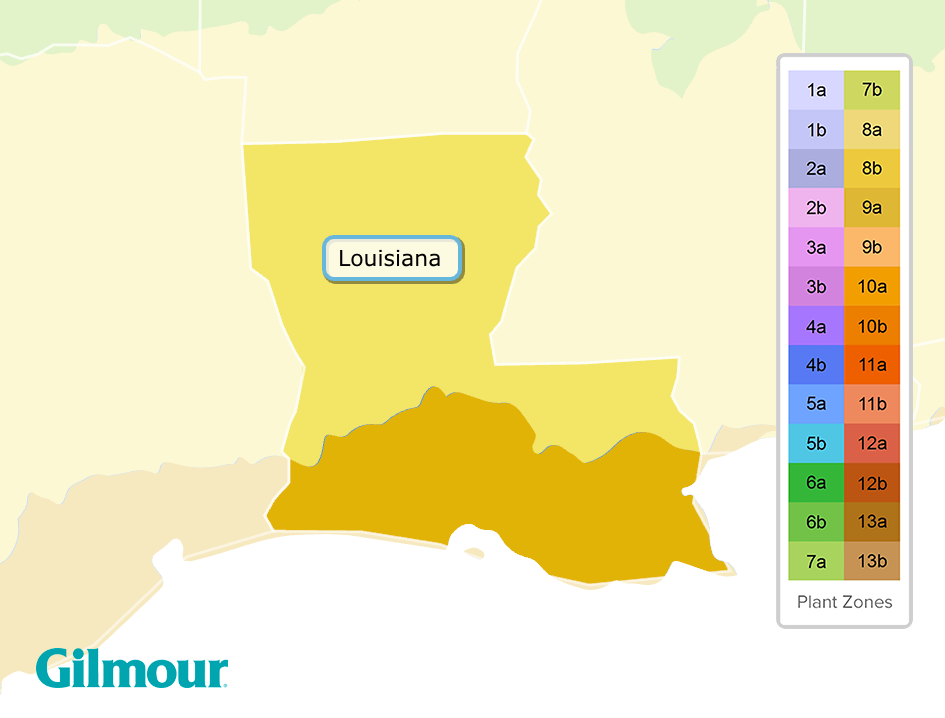
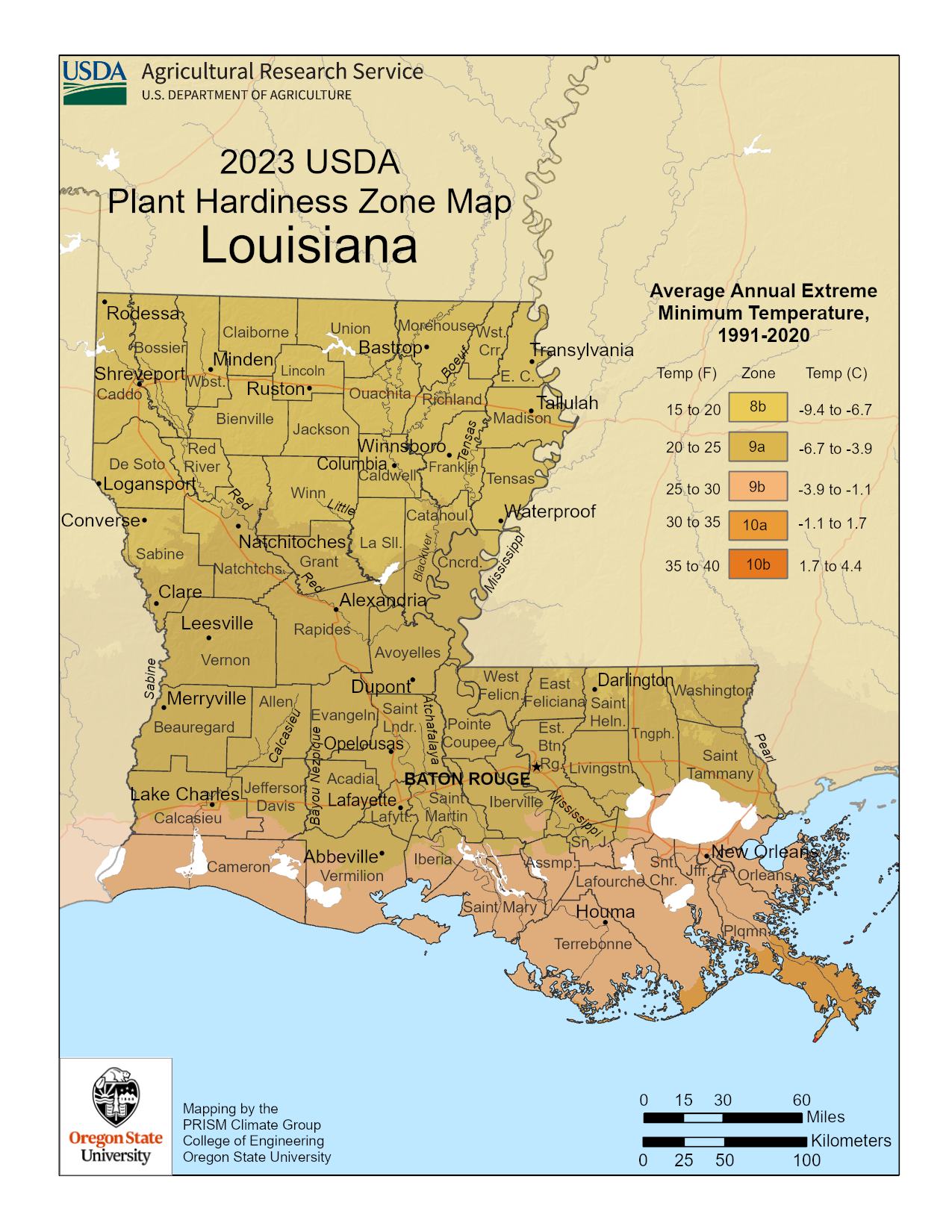
The United States Department of Agriculture (USDA) defines plant hardiness zones based on the average annual minimum winter temperature. In Louisiana, these zones generally range from 8a in the northern reaches to 10a in the extreme southern tip near the coastline.
Northern Louisiana and Zone 8
The northern parishes, including areas surrounding Shreveport and Monroe, predominantly fall within Zone 8a and 8b. Here, the winters bring a genuine chill, and gardeners must plan for occasional hard frosts that can damage tender tropicals. Plants selected for this region need to be resilient enough to handle temperatures dipping down to 10°F to 20°F. While the summer heat is intense, the winter dormant period is more pronounced than in the southern parts of the state, allowing for a broader range of perennial flowers and shrubs that require a period of cold vernalization.
Central and Southern Louisiana: Zones 9a and 9b
Moving toward Alexandria, Lafayette, and Baton Rouge, the climate shifts into the 9a and 9b categories. These zones benefit from the moderating influence of the Mississippi River basin and proximity to the coast. The minimum winter temperatures here are much milder, typically staying between 20°F and 30°F. This is where the quintessential Southern garden begins to take shape, featuring heavy concentrations of camellias, azaleas, and gardenias. The growing season is significantly longer, often extending well into late November.
The Coastal Fringe: Zone 10a
The southernmost parts of the state, particularly around New Orleans and the marshy areas approaching the Gulf Coast, flirt with Zone 10a. In these areas, true frost is a rarity. This allows gardeners to experiment with exotic specimens that would fail elsewhere, such as certain varieties of citrus, palm trees, and highly sensitive tropical ornamentals. The challenges here are less about cold tolerance and more about managing extreme humidity and the high-salt environment that comes with coastal proximity.
Adapting Your Horticultural Strategy to the Southern Climate
Regardless of which zone you inhabit, gardening in this state is dictated by the extreme heat and humidity of the long summer months. A zone classification tells you what will survive the winter, but it doesn’t necessarily tell you how a plant will cope with the relentless July sun.
The Impact of Humidity on Plant Health
The high humidity across the Deep South promotes rapid growth, but it also creates the perfect environment for fungal diseases. When choosing plants for your garden, look for varieties marked as “heat-tolerant” and “disease-resistant.” Air circulation is critical; overcrowding plants can lead to mildew and rot during the muggy mid-summer weeks. Positioning beds to capture morning sun while providing protection during the harsh afternoon hours is a standard practice for maintaining healthy, vibrant foliage.
Soil Composition and Moisture Management
Much of the terrain in this region is characterized by heavy, clay-rich soil, especially in the floodplains of the Atchafalaya Basin. Clay retains nutrients well but can struggle with drainage. Adding organic matter, such as compost or pine bark, is essential to improve soil structure. In the sandy soils of the piney woods, the challenge is reversed; you may find that you need to amend the ground to increase moisture retention and nutrient capacity. Understanding your soil type is as vital as knowing your hardiness zone.
Seasonal Planting Cycles: Beyond the Hardiness Zones
The “zone” designation is a static measurement, but the actual gardening experience is fluid. Experienced local gardeners understand that the calendar is divided into two distinct primary growing seasons: the spring-to-summer phase and the fall-to-winter phase.
Spring and Summer Gardening
Spring arrives early in the Pelican State. By late February or early March, soil temperatures typically rise enough to support the germination of warm-weather favorites. This is the time for heat-loving vegetables like okra, peppers, and tomatoes. Because of the zone 8-10 conditions, many gardeners find that their spring crops “burn out” by July. This is a natural cycle, not necessarily a failure of care. Many successful gardeners will rotate their beds, replacing exhausted spring crops with late-summer varieties that thrive in the heat.
The Second Spring: Fall Gardening
Perhaps the best-kept secret of gardening in this region is the fall growing season. As temperatures moderate in September and October, a “second spring” begins. This is the ideal window for cool-weather crops like collard greens, kale, mustard, and carrots. Because the ground remains warm for a long period, roots continue to develop even as the air turns crisp. Many gardeners in zones 9 and 10 can successfully harvest fresh produce well into the Christmas season, a luxury rarely afforded to those in more northerly latitudes.
Landmark Botanical Gardens and Local Inspiration
For those looking to see how these zones translate into grand landscapes, there is no better education than visiting the state’s premier botanical destinations. Observing how professionals manage these ecosystems can provide invaluable insights for your own backyard project.
Lessons from Longue Vue House and Gardens
Located in the heart of New Orleans, the Longue Vue House and Gardens is a masterclass in regional horticulture. By walking through these meticulously maintained grounds, you can see exactly which perennials and structural trees thrive in a humid Zone 9b environment. The site demonstrates the importance of hardscaping and design in mitigating the effects of local weather patterns.
The Allure of Jungle Gardens
Further west, near Avery Island, Jungle Gardens offers a look at a slightly more sheltered microclimate. The interplay between the shaded canopy and the exotic plantings showcases how different zones can be managed within a single property. Whether you are aiming for a structured European-style garden or a lush, native-focused landscape, the plant selection in these coastal zones offers an endless palette of color and texture.

Final Considerations for the Aspiring Gardener
Selecting plants based on your USDA zone is the foundational pillar of success, but it is only the beginning. Observe your own yard: note where the shadows fall, where the water pools after a heavy rain, and how the wind hits your property during a typical storm. In a state defined by its relationship with water and intense, life-giving heat, your garden will be a living reflection of these forces.
By respecting the constraints of your zone and embracing the specific challenges of your microclimate, you can create a sanctuary that thrives year-round. Whether you are tending to a small patio garden or a large estate, understanding the science behind your local zone ensures that your green thumb is matched by practical, long-term success.
LifeOutOfTheBox is a participant in the Amazon Services LLC Associates Program, an affiliate advertising program designed to provide a means for sites to earn advertising fees by advertising and linking to Amazon.com. Amazon, the Amazon logo, AmazonSupply, and the AmazonSupply logo are trademarks of Amazon.com, Inc. or its affiliates. As an Amazon Associate we earn affiliate commissions from qualifying purchases.