
For travelers and digital nomads considering an extended stay or a working holiday in the United States, understanding the local economic landscape is essential for planning a sustainable trip. While many focus on the cost of tourist attractions or the price of luxury resorts, the underlying economic factors—such as the minimum wage—often provide the best insight into the local cost of living and the service culture you will encounter. In Idaho, the economic environment is distinct from major coastal hubs, offering a unique perspective on budget-conscious travel and the broader American lifestyle.
The Economic Landscape and Minimum Wage Standards
When visiting a state like Idaho, it is common to wonder how the local workforce is compensated. Understanding the baseline earnings of service workers provides context for the quality of service, the price of goods, and the overall pace of life in regions ranging from the bustling capital of Boise to the serene landscapes of Sun Valley.
Current State Regulations
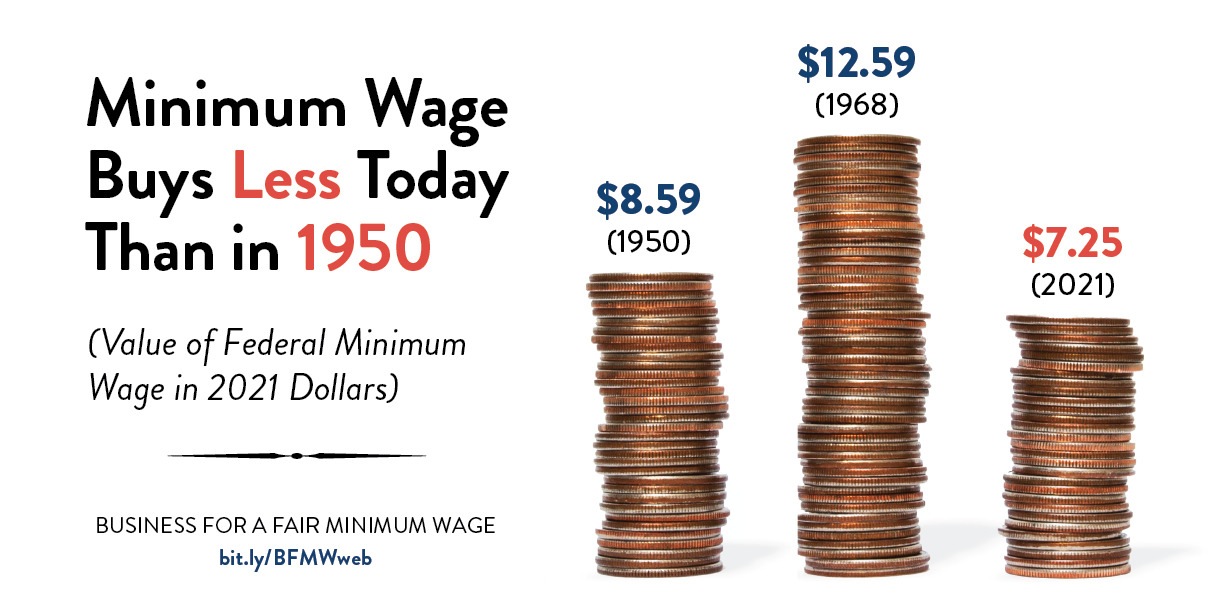
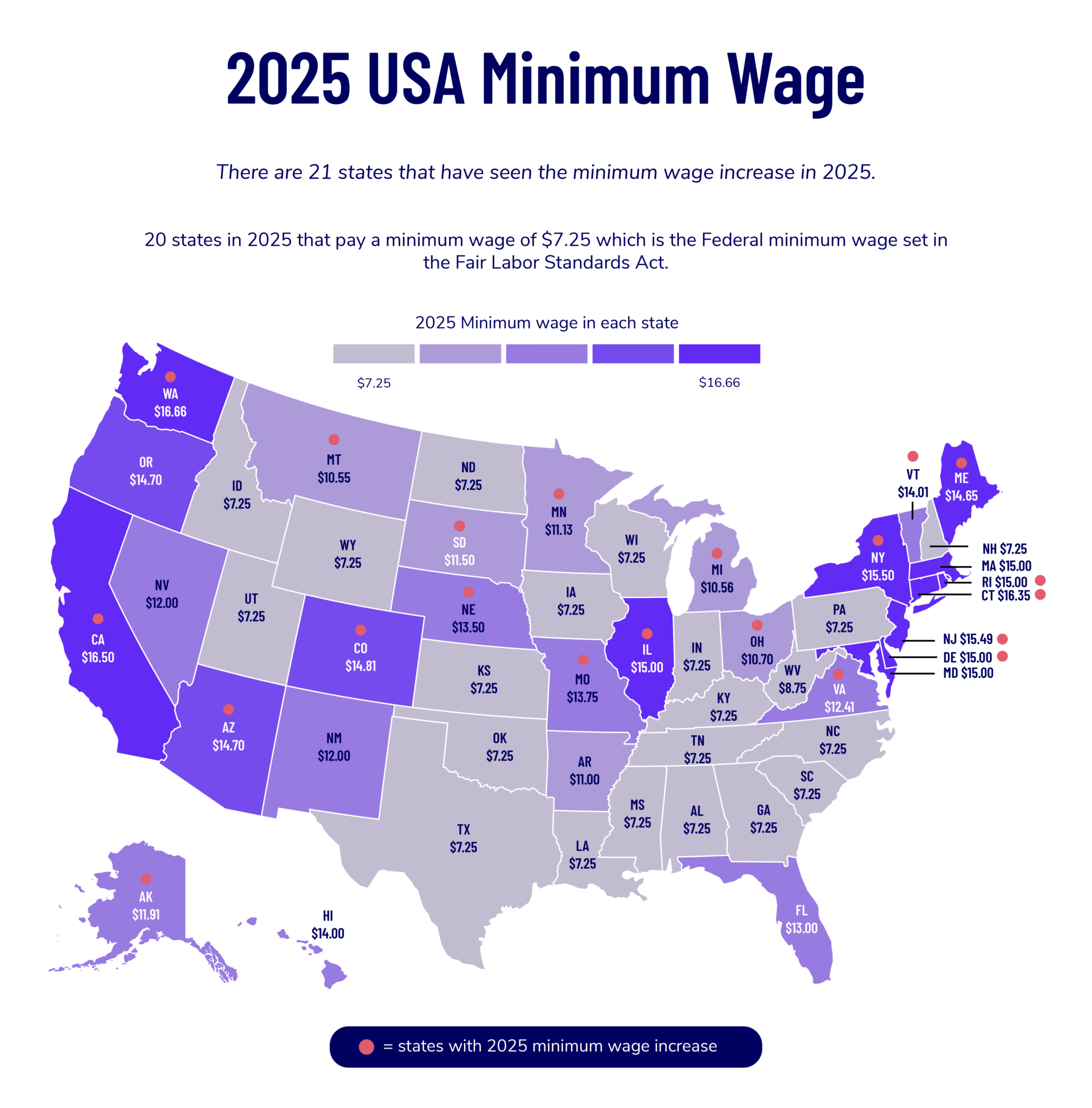
As of the latest legislative updates, the minimum wage in Idaho is set at $7.25 per hour. This figure aligns with the federal minimum wage established by the United States government. Unlike many other states that have implemented tiered increases or cost-of-living adjustments, Idaho has maintained this baseline, keeping the cost of entry for many labor-intensive industries relatively stable. For the traveler, this means that while certain services may be more affordable than in states like California or New York, the economic reality for those working in the hospitality sector is influenced by this specific wage floor.
The Role of Tipped Employees
For visitors frequenting restaurants, cafes, and bars, it is important to note how Idaho law treats tipped employees. Under Idaho labor laws, employers are permitted to pay a reduced cash wage of $3.35 per hour to employees who receive tips, provided that the combination of the cash wage and tips received equals or exceeds the standard minimum wage of $7.25. If the tips do not bring the hourly earnings to that threshold, the employer is legally obligated to make up the difference. Understanding this mechanism is helpful for travelers who want to ensure they are tipping appropriately, which remains a cornerstone of the American service culture.
Budgeting for a Trip to Idaho
Travelers often find that the overall cost of a trip is influenced more by regional market trends than by the minimum wage alone. However, the prevailing wage laws act as a baseline for the cost of services provided by local businesses. Whether you are booking a stay at a boutique hotel in Ketchum or looking for budget-friendly activities in Coeur d Alene, understanding the local economic environment helps in setting realistic expectations.
Impact on Hospitality and Services
In areas heavily reliant on tourism, such as Sawtooth National Forest, local business owners often compete for labor by offering wages higher than the state minimum. This is a common phenomenon in competitive labor markets. Consequently, while the state minimum is $7.25, you may find that the actual pay for hospitality staff in popular destinations is higher, which can translate into slightly higher prices for services and amenities. When you stay at a resort or dine out, you are paying for an experience that reflects the local labor market conditions.
Strategic Financial Planning for Travelers
If you are planning an extended stay, consider these economic factors:
- Dining Out: Since tipped employees may rely heavily on gratuity to meet their target earnings, budgeting 18% to 22% for tips is considered the standard practice for good service.
- Local Transportation: Costs for ride-sharing or local taxi services often fluctuate based on the availability of labor. In smaller towns like Twin Falls, services might be more limited compared to larger metropolitan areas.
- Accommodation Booking: Whether you choose a high-end property in McCall or a budget lodge, the daily rates usually incorporate the operational costs of maintaining staff, which are inherently tied to local wage expectations.
The Cultural Connection to Labor and Lifestyle
The lifestyle in Idaho is often described as rugged, independent, and welcoming. This “mountain west” culture is reflected in how people engage with service workers and how local businesses operate. Because the cost of labor—dictated in part by the minimum wage—is relatively predictable, businesses in the state tend to focus on providing high-quality, authentic experiences rather than the high-turnover service models found in larger global cities.
Supporting Local Businesses
When traveling through Idaho, supporting local businesses is one of the best ways to ensure that your travel dollars have a positive impact on the community. From family-owned eateries in Idaho Falls to guided tours through the Snake River Canyon, the individuals you interact with are often the direct recipients of the wages discussed here. Being aware of the economic landscape allows you to approach your interactions with a level of respect and understanding that enhances the travel experience.
Balancing Expectations
It is essential to remember that while the minimum wage in Idaho is low by federal standards, the cost of living varies significantly across the state. In smaller, more remote regions, your budget will likely stretch much further than it would in the growing tech hubs of the state. By researching the specific area you plan to visit, you can better understand the interplay between the local labor market, the cost of goods, and the quality of service you are likely to receive.
Insights for the Long-Term Stay
For those who treat Idaho as a temporary base for remote work or a long-term travel destination, understanding the economic framework is about more than just current wages; it is about recognizing the growth of the region. As cities like Nampa and Meridian continue to expand, the economic pressures on the labor force will inevitably shift.
Future Trends in the Gem State
As Idaho continues to attract new residents and tourists alike, the pressure on the labor market will likely result in increased wage competition. This is an exciting time for the region, as it balances its historic, small-town charm with modern economic growth. Travelers who stay for extended periods are in a unique position to observe these shifts, benefiting from the authentic local culture while witnessing the evolution of the state’s service-oriented economy.

Final Travel Tips
Before embarking on your journey, consider the following:
- Research the Region: Idaho is geographically diverse. Prices in the Rocky Mountains region of the state will differ from the agricultural plains.
- Respect the Service Model: Because the wage floor is fixed at the federal level, tipping remains a vital part of the income structure for many service workers.
- Prioritize Local Experiences: The heart of Idaho lies in its people and its landscapes. Spending your budget at locally owned establishments ensures that you are directly contributing to the economic vitality of the regions you visit.
By maintaining awareness of these economic realities, you can ensure that your visit is not only enjoyable but also socially responsible. Whether you are exploring the trails near Stanley or enjoying a quiet retreat in the forests of northern Idaho, the economic landscape forms the backdrop of your adventure, grounding your experience in the genuine realities of American life.
LifeOutOfTheBox is a participant in the Amazon Services LLC Associates Program, an affiliate advertising program designed to provide a means for sites to earn advertising fees by advertising and linking to Amazon.com. Amazon, the Amazon logo, AmazonSupply, and the AmazonSupply logo are trademarks of Amazon.com, Inc. or its affiliates. As an Amazon Associate we earn affiliate commissions from qualifying purchases.