
Planning a trip to the heart of the American West requires careful logistical preparation, especially when your destination is as rugged and expansive as Montana. Serving as the primary gateway to the northern reaches of Yellowstone National Park, Bozeman has transformed from a quiet mountain town into a premier travel hub. The Bozeman Yellowstone International Airport, formerly known as Gallatin Field, stands as the busiest airport in the state, offering an impressive array of connectivity options for adventurers and business travelers alike. Understanding which carriers serve this mountain outpost is the first step toward crafting a seamless itinerary.

Major Carriers and Their Domestic Reach
The convenience of flying into Bozeman lies in the fact that it is a hub for several major legacy carriers. Because the region serves both seasonal ski traffic for Big Sky Resort and summer tourism for Yellowstone National Park, airlines have significantly expanded their direct flight schedules over the last decade.
United Airlines
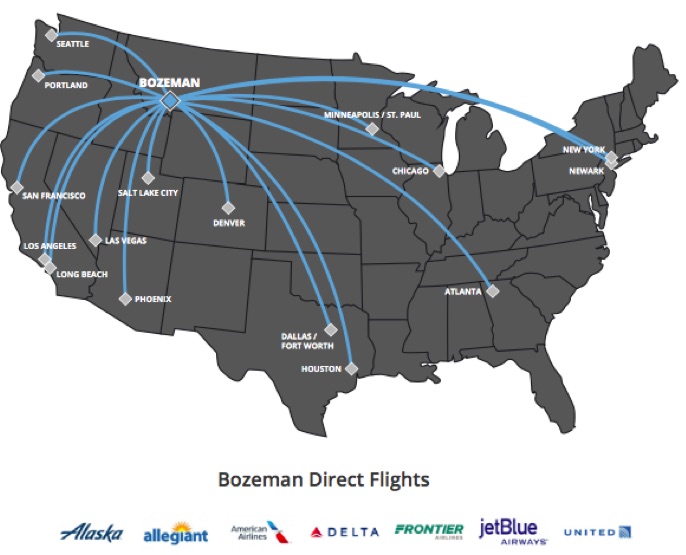
As one of the most consistent providers of service to the Gallatin Valley, United Airlines maintains a robust presence. Travelers can typically find direct routes connecting Bozeman to major hubs including Denver, Chicago, and Houston. This makes it highly accessible for those traveling from the Midwest or connecting through major central transit points.
Delta Air Lines
Delta Air Lines offers extensive connectivity, particularly through its large western hubs. Flights from Salt Lake City and Minneapolis are staples of their schedule, often running multiple times daily. These flights are particularly popular for travelers heading toward the nearby Bridger Bowl Ski Area or those embarking on a wider tour of the Rocky Mountains.
American Airlines
American Airlines has increased its footprint in Montana significantly, providing essential links to Dallas-Fort Worth and Charlotte. By facilitating travel from the southern and eastern parts of the United States, they have made Bozeman a viable destination for travelers who previously had to endure long layovers or drive from more distant regional hubs.
Low-Cost Carriers and Seasonal Flexibility
For travelers prioritizing budget-friendly options, the landscape of Bozeman Yellowstone International Airport is surprisingly diverse. The inclusion of budget-focused airlines has turned this mountain gateway into a highly competitive marketplace.
Southwest Airlines
The addition of Southwest Airlines to the Bozeman roster was a transformative moment for local tourism. Known for their “bags fly free” policy, Southwest connects Montana to key western hubs like Las Vegas, Denver, and Phoenix. This has lowered the barrier to entry for family travelers and outdoor enthusiasts looking to carry bulky gear like skis or fishing equipment.
JetBlue and Alaska Airlines
Both JetBlue and Alaska Airlines maintain targeted routes that cater to specific geographic corridors. Alaska Airlines, in particular, provides essential service to Seattle, serving as the primary bridge between the Pacific Northwest and the Northern Rockies. These routes are often popular with business travelers and those seeking a quick weekend escape to the high country.
Sun Country Airlines and Allegiant Air
Sun Country Airlines and Allegiant Air primarily operate on a seasonal basis, targeting peak visitor months. While their schedules may be less frequent than the legacy carriers, they provide unique non-stop options to destinations that aren’t typically served by major hubs. It is wise to monitor their calendars early, as these flights can sell out rapidly during peak ski season or the height of the summer national park rush.
Navigating Seasonal Travel Trends
One of the most important aspects of booking a flight into Bozeman is understanding the impact of the seasons on airline operations. Montana is a year-round destination, but the frequency and availability of flights fluctuate significantly based on the time of year.
The Peak Summer Rush
From June through August, the demand for access to Yellowstone National Park hits its zenith. During this time, airlines often upgrade the aircraft size serving Bozeman Yellowstone International Airport to accommodate the influx of tourists. If you are planning a summer trip to explore the Gallatin River or hike the Spanish Peaks, booking your airfare at least three to four months in advance is highly recommended to secure reasonable rates.
The Winter Ski Season
December through March sees a different type of traveler. The focus shifts toward the slopes of Big Sky Resort and the backcountry skiing opportunities near Cooke City. Because of this, Bozeman remains remarkably well-connected even in the heart of winter. Many airlines add additional capacity to support the holiday ski traffic, meaning travelers from the coasts often have an easier time finding non-stop flights during these months than one might expect for a mountain town of this size.
The Shoulder Seasons
The periods of April-May and October-November represent the “shoulder seasons” in Montana. During these quiet months, airline schedules may be reduced. However, this is also the most cost-effective time to travel. If you are looking to visit the town for its local culture, the Museum of the Rockies, or simply to enjoy the quiet transition of seasons, you will often find lower fares and far fewer crowds at the terminal.

Essential Tips for Flying Into the Gallatin Valley
When finalizing your travel arrangements, consider the unique environment of Bozeman. The Bozeman Yellowstone International Airport is located in the heart of a valley, which, while visually stunning, can occasionally be subject to winter weather delays.
- Arrival Logistics: Because public transportation is limited once you leave the airport, most travelers rely on car rentals to reach their accommodations in Downtown Bozeman or the resorts of Big Sky. It is highly advisable to book your vehicle at the same time you secure your airfare.
- Altitude Considerations: Remember that you are arriving in a high-altitude environment. Bozeman sits at an elevation of approximately 4,800 feet. Allow your body time to acclimate before engaging in strenuous activities like mountain climbing or long-distance cycling.
- Airport Amenities: The terminal itself has seen significant expansion in recent years. It now features local art installations and dining options that reflect the character of the Big Sky Country. If you have a layover or an early arrival, you will find it to be one of the more pleasant regional airports in the United States.
Whether you are arriving for a world-class skiing expedition or a scenic journey through the American West, the variety of airlines serving Bozeman ensures that access is never a hurdle. By choosing the right carrier and aligning your travel dates with the seasonal rhythms of the Rocky Mountains, you can ensure your arrival is as memorable as the mountain adventures that await.
LifeOutOfTheBox is a participant in the Amazon Services LLC Associates Program, an affiliate advertising program designed to provide a means for sites to earn advertising fees by advertising and linking to Amazon.com. Amazon, the Amazon logo, AmazonSupply, and the AmazonSupply logo are trademarks of Amazon.com, Inc. or its affiliates. As an Amazon Associate we earn affiliate commissions from qualifying purchases.