
For the dedicated sportsman and the casual visitor alike, the arrival of autumn in the marshes of Louisiana signals far more than just a change in foliage. It marks the commencement of one of the most storied traditions in the American South: waterfowl hunting. As the temperatures begin to dip across the Mississippi Flyway, millions of migratory birds descend upon the coastal wetlands, turning the Pelican State into the premier destination for hunters across the continent. Understanding when the season starts is critical, as it dictates the cadence of life in rural communities and influences everything from local restaurant menus to travel itineraries for those visiting the Gulf Coast.
Understanding the Zonal Structure of Louisiana Waterfowl Hunting
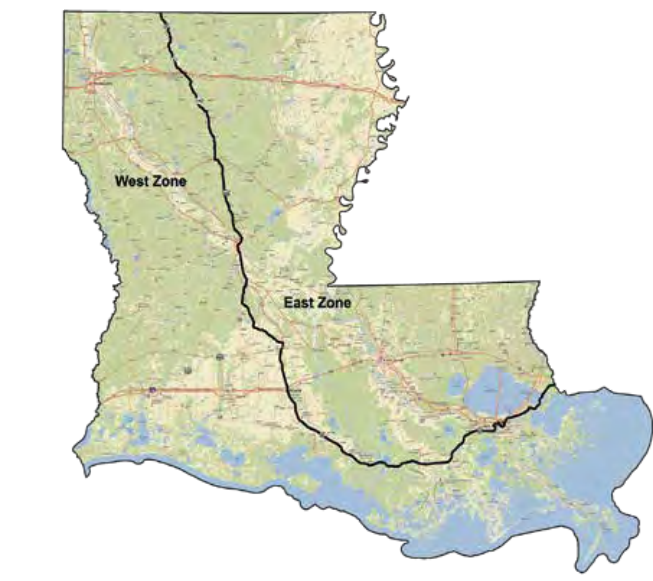
The regulation of duck hunting in this state is not a one-size-fits-all endeavor. Due to the vast geographical differences between the northern rice fields and the southern salt marshes, the Louisiana Department of Wildlife and Fisheries divides the state into specific hunting zones. These zones—typically the West Zone, the East Zone, and sometimes the Coastal Zone—are designed to manage harvest pressure and ensure the sustainability of various duck species, including mallards, pintails, and teals.
The Significance of the Coastal Zone
The Coastal Zone represents the heart of the migratory path. Stretching from the Texas border near Sabine Lake eastward toward the Atchafalaya Basin, this region experiences the earliest influx of migratory birds. Because these wetlands provide critical wintering habitat, the season in this zone is often split into two distinct segments. The “split” allows hunters to target early migrants, such as blue-winged teal, before taking a break as the birds shift and regroup, followed by a second, longer season that captures the peak migration of divers and puddle ducks later in the winter.
East and West Zone Variations
In the interior regions, such as the agricultural hubs surrounding Monroe or the rolling plains near Shreveport, the timing shifts based on weather patterns and crop harvests. When rice and soybean fields are flooded, they create temporary habitats that attract massive flocks of waterfowl. The seasons here are meticulously calculated to align with the arrival of these birds, often starting in mid-November and extending into the final days of January. By managing these zones separately, the state ensures that hunters in the northern reaches of the United States and the southern marshes of the Gulf Coast have equitable access to the migratory population.
The Seasonal Calendar: What to Expect
The start of duck season is rarely a static date from year to year. While it generally falls within the late autumn window, the exact opening day is determined by federal frameworks established by the U.S. Fish and Wildlife Service. These federal guidelines dictate the maximum number of days a state can hunt, and Louisiana officials work within these constraints to select dates that satisfy the local hunting community.
Early Teal Season
Before the general duck season kicks off, there is a specialized “early teal season” in mid-September. This short, high-energy window is a favorite for local hunters, as the weather is still warm and the birds are fast-moving. It serves as a precursor to the main event, allowing locals in areas like Cameron Parish to prepare their blinds and scouting locations. It is a unique experience, often involving airboats and shallow-water navigation, and it offers a distinct contrast to the cold-weather hunting that defines the winter months.
The General Season Commencement
For the majority of species, the general season typically opens in mid-November. The “Opening Day” is a cultural phenomenon in Louisiana, akin to a holiday. In towns like St. Martinville or Abbeville, businesses may see a decline in traffic as the community heads into the blinds. The first few days of the season are characterized by high excitement and significant bird activity, as the population has not yet been subjected to heavy hunting pressure. Planning a trip during this period requires advanced coordination, as lodges and guide services are often booked a year in advance.
Planning Your Trip to the Marshes
Visiting for the start of the season requires more than just an interest in waterfowl; it requires a deep appreciation for the unique ecosystem of North America. Whether you are heading to the prairies of Southwest Louisiana or the deep, forested swamps of the Atchafalaya, preparation is the key to a successful experience.
Selecting the Right Guide
The vast, intricate maze of the Mississippi River Delta is notoriously difficult to navigate. For visitors, hiring a professional guide is not just recommended; it is essential for safety and success. Look for outfitters who specialize in specific zones and have access to private wetlands. These experts know the flight patterns, the wind directions, and the precise times of day when the birds will be moving, ensuring that your hunting experience is both productive and ethically conducted.
Necessary Permits and Ethics
Before stepping foot into a blind, ensure that all documentation is in order. You will need a basic hunting license, a state duck license, and the Federal Migratory Bird Hunting and Conservation Stamp. Conservation is a core pillar of the hunting culture in New Orleans and the surrounding parishes. Hunters in Louisiana are among the largest contributors to wetland restoration and habitat protection, funding projects that sustain the very environments they hunt in. Practicing “fair chase” ethics and respecting bag limits are not merely legal requirements—they are the social contract that keeps the tradition alive for future generations.

Timing Your Visit for Optimal Weather
While the calendar provides the dates, the weather provides the action. The best hunting often occurs during “cold fronts” that push birds southward from the northern plains. Monitoring weather reports for the Midwest is a common pastime for seasoned hunters in Lafayette. If a massive freeze occurs in the northern states, the resulting influx of birds into the Bayou State can create a “flight” that remains unmatched anywhere else in the world. Being flexible with your travel dates, if possible, allows you to capitalize on these climatic shifts, ensuring that your trip coincides with the peak of the migration.
Ultimately, the start of duck season in Louisiana is a celebration of the landscape. It is a time when the rhythm of the marsh dictates the pulse of the community, and the heritage of the hunt continues to bind the people to the land. Whether you are an experienced waterfowler or a curious observer of local culture, the weeks surrounding the opening of the season offer an unparalleled look into the soul of the Deep South. As the early morning mist rises over the decoys and the sound of wings whistles through the air, you will quickly understand why this is more than just a sport—it is a way of life.
LifeOutOfTheBox is a participant in the Amazon Services LLC Associates Program, an affiliate advertising program designed to provide a means for sites to earn advertising fees by advertising and linking to Amazon.com. Amazon, the Amazon logo, AmazonSupply, and the AmazonSupply logo are trademarks of Amazon.com, Inc. or its affiliates. As an Amazon Associate we earn affiliate commissions from qualifying purchases.