
When planning a trip to New York, understanding the financial nuances of your stay is essential for effective budgeting. Whether you are coming for a weekend of shopping along Fifth Avenue or planning an extended visit to see the bright lights of Times Square, the question of sales tax is one that every traveler encounters the moment they make their first purchase. Navigating the tax landscape of the United States can be confusing for international and domestic visitors alike, but a clear grasp of these costs will ensure your vacation budget remains intact.
Understanding the New York Sales Tax Structure
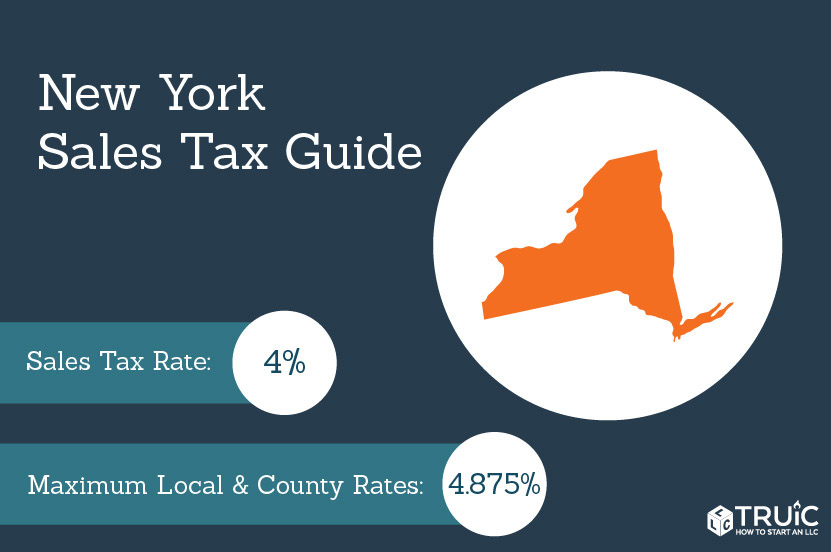
New York utilizes a layered tax system, meaning that the total amount of sales tax you pay is typically a combination of state and local levies. For those visiting New York City, the base sales tax is 8.875%. This figure is comprised of the 4% New York State tax, a 4.5% local tax for the city, and a 0.375% surcharge for the Metropolitan Commuter Transportation District.
Why the Percentage Varies
While 8.875% is the standard rate within the five boroughs of the city, travelers should be aware that tax rates can fluctuate once you cross county lines. If you take a day trip to the Hudson Valley or head north to Albany, you may find that the local sales tax component differs slightly. Always check the specific county regulations if you are planning major purchases outside of the main urban hubs, as these small percentage shifts can impact the total cost of high-ticket items.
Exemptions on Essential Items
It is a common misconception that all goods are taxed at the same rate. In New York State, certain essential items are exempt from sales tax. For instance, most clothing and footwear priced under $110 per item are exempt from the 4% state sales tax. However, local jurisdictions often still apply their own tax to these items, so while you might save on the state portion, you will rarely see a “tax-free” receipt for clothing in the city. Groceries, provided they are not prepared foods or restaurant meals, are also generally exempt from state-level sales tax, which is a helpful tip for those staying in Manhattan apartments with kitchen facilities.
Budgeting for Your Stay: Hotels and Tourism Costs
Accommodations represent the largest expense for most travelers visiting The Big Apple. When booking a room at iconic spots like the Plaza Hotel or the Waldorf Astoria, the price you see on a travel website is rarely the final price you will pay at checkout.
Hotel Occupancy Taxes
In addition to standard sales tax, New York City imposes a specific Hotel Room Occupancy Tax. This is a nightly fee added to the cost of your room. The tax includes a percentage of the room rate plus a flat dollar amount per day, which can change based on the daily rate of the room. When you stay at a luxury destination such as the St. Regis New York, it is important to factor in these additional levies so that you are not surprised when you receive your final invoice.
Tourism and Activity Taxes
Beyond lodging, your sightseeing budget should account for tax on entertainment. Tickets for a Broadway show at the Lyceum Theatre or an observation deck visit to the Empire State Building are subject to sales tax. Most of these venues include the tax in the advertised ticket price, but it is always wise to double-check the fine print when booking through third-party vendors. If you are purchasing a sightseeing pass, such as the New York Pass, the tax is usually bundled into the initial purchase price, simplifying your travel accounting significantly.
Dining and Shopping: What to Expect
Eating out is a staple of the New York experience, from grabbing a classic bagel in Brooklyn to fine dining in Tribeca. Understanding how tax applies to your meals will help you manage your daily spending effectively.
The Impact of “Prepared Foods”
In New York State, prepared foods sold for immediate consumption—including hot meals, sandwiches, and fountain drinks—are fully taxable. This means that when you sit down for a meal at a restaurant in Central Park or grab a coffee near Grand Central Terminal, you will see the 8.875% tax added to your subtotal. Travelers often forget to include this percentage when calculating the tip, which can lead to a misunderstanding of how much a meal actually costs. A good rule of thumb is to calculate your tip based on the pre-tax amount, then add the tax to your total budget estimate.
Shopping for Souvenirs
If you are visiting SoHo for fashion or exploring the boutiques of Williamsburg, remember that most consumer goods are fully taxable. Unlike some countries where value-added tax (VAT) can be reclaimed by tourists upon departure, New York does not offer a tax-refund scheme for international visitors. All sales tax paid at the time of purchase is non-refundable.
Practical Tips for the Savvy Traveler
To maximize your travel budget while exploring New York, keep these strategies in mind:
- Use Tax-Inclusive Pricing: When comparing prices online, verify if the “total price” includes taxes and fees. Many booking platforms for hotels in Queens or The Bronx will show a low nightly rate that excludes the occupancy tax, which can be misleading.
- Plan for Added Costs: Always assume that any price you see for services, goods, or tickets will have a roughly 9% tax surcharge. If you are operating on a tight budget, rounding up to 10% is a safe buffer that prevents overspending.
- Check for Seasonal Sales: Occasionally, the state or city may hold temporary sales tax holidays or exemptions on specific categories of goods, such as school supplies or energy-efficient appliances. While these are less common in the United States than in other countries, checking local government websites before a major shopping trip can yield small savings.
- Prioritize Experiences over Goods: Because many activities are bundled, focusing on experiences like visiting the Statue of Liberty or the Museum of Modern Art often provides more clarity on costs compared to individual shopping trips where taxes add up item by item.
By staying informed about how sales tax and occupancy fees are applied, you can spend less time worrying about your wallet and more time enjoying everything that New York has to offer. Whether you are strolling across the Brooklyn Bridge or enjoying a quiet moment at The High Line, being a prepared traveler is the first step toward a perfect urban adventure.
LifeOutOfTheBox is a participant in the Amazon Services LLC Associates Program, an affiliate advertising program designed to provide a means for sites to earn advertising fees by advertising and linking to Amazon.com. Amazon, the Amazon logo, AmazonSupply, and the AmazonSupply logo are trademarks of Amazon.com, Inc. or its affiliates. As an Amazon Associate we earn affiliate commissions from qualifying purchases.