
When travelers and nature enthusiasts begin planning their excursions to the northeastern corner of the United States, a common point of confusion arises regarding the state’s climate and gardening classification: “What zone is Maine?” Understanding the hardiness zones of this region is essential for anyone interested in the local flora, the aesthetic landscape of coastal towns, or the agricultural backbone that defines much of the state’s interior.
The United States Department of Agriculture (USDA) Plant Hardiness Zone Map serves as the standard by which gardeners and botanists determine which plants are most likely to thrive in a given location. These zones are based on the average annual extreme minimum winter temperature. In Maine, these zones span a surprisingly broad spectrum, influenced heavily by proximity to the Atlantic Ocean, elevation in the mountainous interior, and the cooling influence of northern latitudes.
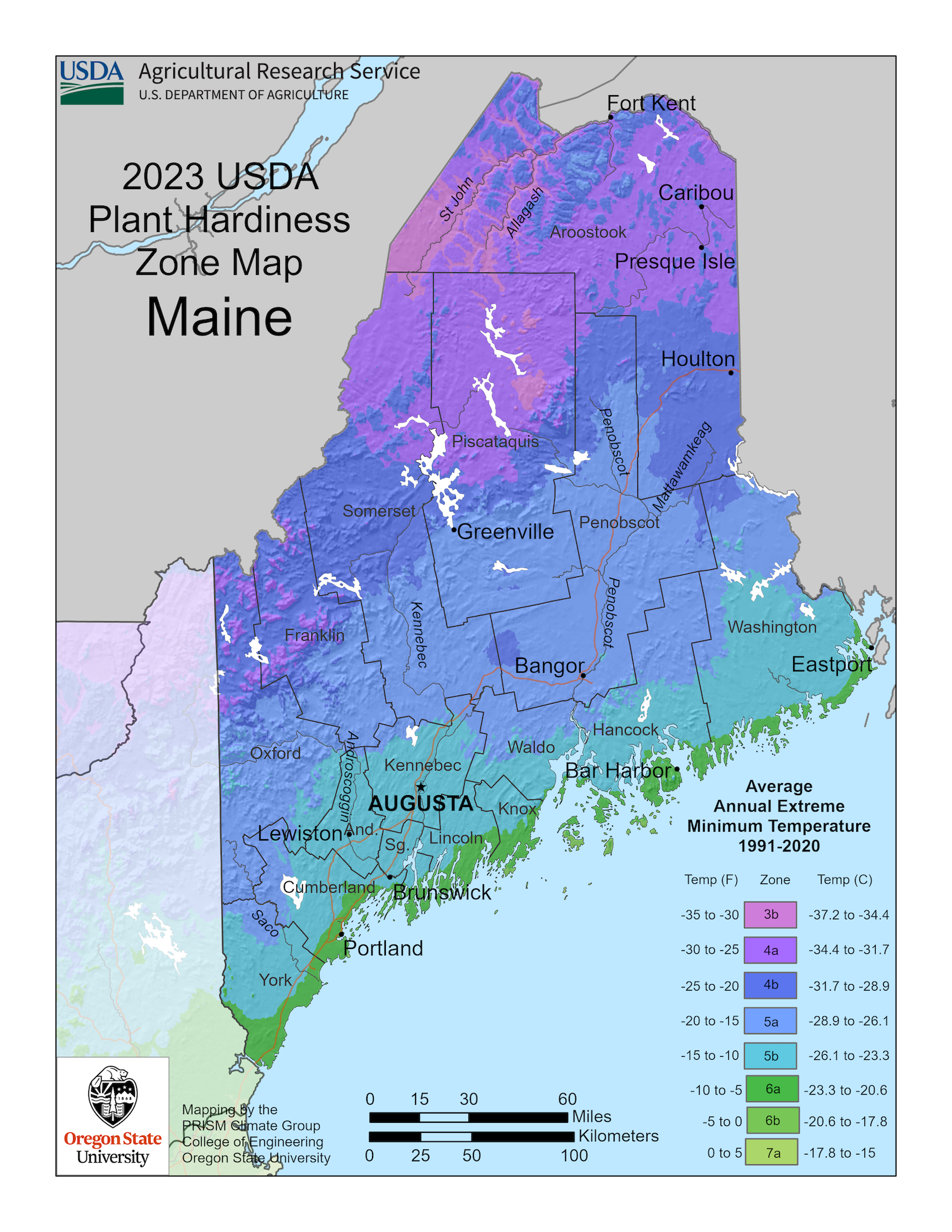
Understanding the USDA Hardiness Zones Across Maine
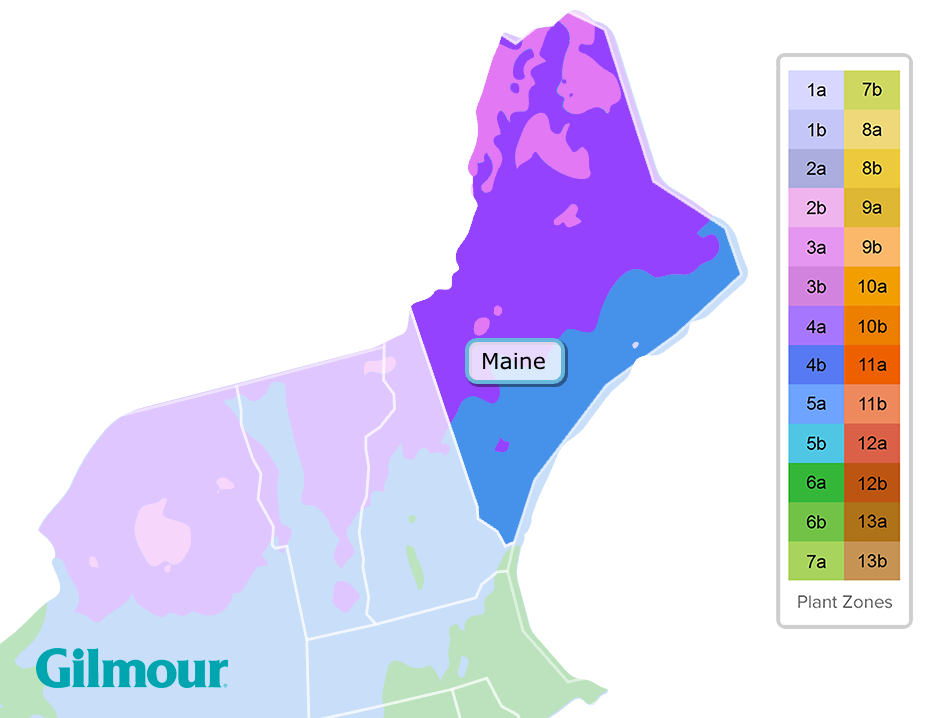
The complexity of Maine’s geography means that the state is not a monolith when it comes to climate. The zones typically range from Zone 3 in the cold, northern interior to Zone 6 along the southern coast.
Northern Maine and the Higher Elevations
The northern reaches of the state, including the expansive Aroostook County, fall largely into Zone 3 and Zone 4a. These areas experience some of the most rigorous winters in the country. Temperatures here can drop well below -30°F, creating a landscape that favors hardy native species like balsam fir, spruce, and various deciduous trees capable of entering deep dormancy. For those visiting Baxter State Park, the zone classification here reflects the rugged, alpine nature of the environment, where the growing season is short and frost can occur even in the height of summer.
The Coastal Moderation
As one travels toward the coast, the influence of the Atlantic Ocean becomes significantly more pronounced. The water acts as a thermal buffer, preventing temperatures from plummeting as drastically as they do in the interior. Consequently, coastal communities such as Bar Harbor and Portland often fall into warmer zones, ranging from 5a to 6a. This moderation is precisely what allows for the vibrant, lush gardens often spotted along the rocky shorelines of Acadia National Park. The ability to grow more diverse ornamental plants is a direct result of these higher zone ratings.
The Impact of Zones on Maine’s Landscape and Travel
For the traveler, knowing the zone of a specific area provides a window into the type of scenery they will encounter. The flora dictates the aesthetic, whether it is the dense boreal forests of the north or the maritime-influenced coastal gardens of the south.
Coastal Flora and Garden Tourism
The zones in southern and coastal Maine support a variety of perennials and shrubs that would perish in the northern interior. Visitors touring the historic estates or seaside botanical gardens will notice a profusion of hydrangeas, roses, and lavender—plants that thrive in Zone 5 and 6 environments. This makes regions around Kennebunkport and Camden particularly popular for garden enthusiasts who appreciate the juxtaposition of rugged, granite coastlines and delicate, manicured blooms.
The Interior Wilderness and Seasonal Shifts
Conversely, the lower zones in the interior dictate a more dramatic seasonal cycle. The fall foliage, for which New England is famous, is a direct byproduct of the specific climate zones and the corresponding tree species that reside within them. The sugar maples, birches, and beeches that turn the forests into a tapestry of gold and crimson are perfectly adapted to the cold-hardy conditions of Zones 3 through 5. Travelers heading to Moosehead Lake during the autumn months are witnessing the biological response of a forest that has evolved to survive the harsh realities of a Zone 3 or 4 winter.
Navigating Seasonal Travel Based on Zone-Influenced Climate
If you are planning a trip to Maine, understanding the climate zones helps in timing your visit to match the landscape you wish to experience.
Spring and Early Summer
Because of the variance in zones, spring moves through the state like a slow wave. It arrives on the southern coast—Ogunquit and York—weeks before it reaches the northern Highlands. Travelers looking for the first signs of spring greenery should focus on the southern coastal regions where the higher zones ensure an earlier thaw.
Late Summer and Autumn
By contrast, the lower-zone interior regions of the north begin to cool down much faster. The crisp, cool air that makes for excellent hiking in the White Mountains or around Mount Katahdin arrives in September. If your goal is to experience the legendary Maine foliage, aiming for the northern, lower-zone areas in late September and moving south toward the coast in October is the most reliable strategy.

Practical Considerations for the Eco-Conscious Traveler
The diverse hardiness zones also reflect the state’s agricultural identity. Maine has a deep-seated culture of local food production, from the famous wild blueberry barrens of Down East to the potato fields of the north.
- Farm-to-Table Experiences: Many of the restaurants in cities like Brunswick and Rockland source ingredients based on the capabilities of their local hardiness zone. Eating seasonally here is not just a trend; it is a lifestyle dictated by the climate.
- Responsible Nature Watching: The fragile ecosystems within these zones are sensitive to human impact. Whether hiking the trails near Rangeley Lake or exploring the coastal cliffs of Pemaquid Point, staying on marked paths helps protect the plant life that makes these unique zones so special.
Ultimately, “What zone is Maine?” is a question that reveals the state’s hidden complexity. From the ice-hardy wilderness of the north to the temperate, garden-friendly coast, the state offers a vast range of environments. By understanding these zones, you gain a deeper appreciation for the resilience of the local flora and the distinct seasonal shifts that define the traveler’s experience in the Pine Tree State. Whether you are visiting the iconic lighthouses of Cape Elizabeth or trekking through the northern woods, recognizing the climate zone of your destination allows you to better connect with the natural rhythms of this incredible region.
LifeOutOfTheBox is a participant in the Amazon Services LLC Associates Program, an affiliate advertising program designed to provide a means for sites to earn advertising fees by advertising and linking to Amazon.com. Amazon, the Amazon logo, AmazonSupply, and the AmazonSupply logo are trademarks of Amazon.com, Inc. or its affiliates. As an Amazon Associate we earn affiliate commissions from qualifying purchases.