
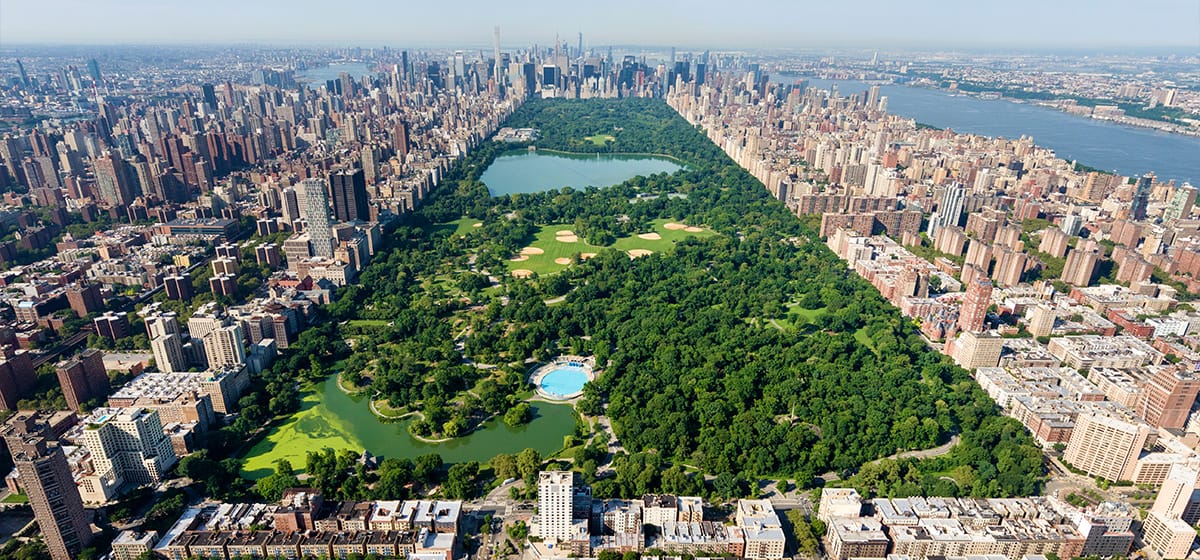
Spanning 843 acres in the heart of Manhattan, Central Park is widely considered the crown jewel of New York City. It is an essential stop for visitors traveling to the United States and a central pillar of life for those living in the surrounding neighborhoods. Yet, despite its role as a communal backyard for millions, the ownership and management structure of this iconic green space remains a subject of intrigue for both locals and tourists alike.
The Public Ownership Model
At its core, Central Park is public land. It is owned by the City of New York and falls under the jurisdiction of the New York City Department of Parks and Recreation. This designation ensures that the park remains accessible to all, serving as a democratic space that transcends socioeconomic barriers.
Understanding Municipal Ownership
When historians or real estate experts discuss the ownership of Central Park, they are referring to a complex historical process. Before the land was designated as a public park in the mid-19th century, it was a diverse landscape of rocky terrain, marshes, and small settlements, including Seneca Village. The land was acquired through eminent domain by the city government, setting the stage for what would become one of the most significant public works projects in American history.
The Role of the City
Because the city retains title to the land, no single individual, private organization, or developer has legal ownership of the park. This permanent public status prevents the land from being privatized, built upon for residential or commercial use, or sold off to private entities. It guarantees that the meadows, woodland areas, and bridges remain open to the public in perpetuity.
The Central Park Conservancy: Managing the Public Asset
While the city owns the park, it does not manage every aspect of its daily operation. In the 1970s, New York City faced a period of severe financial distress, which left Central Park in a state of rapid decay. Graffiti, overgrown landscapes, and crumbling infrastructure threatened to render the park unsafe and unusable. To address this crisis, the Central Park Conservancy was established.
A Public-Private Partnership
The Central Park Conservancy operates as a private, non-profit organization under a long-term contract with the city. This model is a prime example of a successful public-private partnership. The City of New York retains ownership and policy control, while the Central Park Conservancy takes responsibility for the maintenance, restoration, and management of the park’s day-to-day operations.

Funding the Vision
Most of the funding for the daily maintenance—ranging from pruning the trees in the Ramble to cleaning the Bethesda Terrace—comes from private donations and the Central Park Conservancy’s own fundraising efforts. By leveraging private wealth to support a public good, the organization ensures that the park’s maintenance is not entirely dependent on the fluctuating municipal budget, which is often stretched thin by other essential city services.
Historical Significance and Development
The development of Central Park was a radical departure from the urban planning styles of the time. When designers Frederick Law Olmsted and Calvert Vaux won the design competition in 1857, they envisioned a space that would provide relief from the industrial congestion of New York City. Their goal was to create a “people’s garden” that could foster social harmony and health.
The Greensward Plan
The Greensward Plan remains one of the most influential designs in landscape architecture. Every winding path, decorative arch, and hidden pond was meticulously placed to evoke a sense of rural tranquility in the middle of a dense urban environment. Because the city held ownership from the start, the vision of Olmsted and Vaux was largely protected from the intrusion of commercial development, ensuring the integrity of the design for over 160 years.
Preservation of Landmarks
Ownership by the city has also facilitated the preservation of historical landmarks within the park. Sites like the Belvedere Castle and the Bow Bridge are protected under local and national landmark status. Because they belong to the public, the city and the Central Park Conservancy are obligated to maintain these structures, preventing them from suffering the fate of similar buildings that might otherwise have been demolished to make way for modern high-rises.
Visiting the Park: An Essential Experience
For those planning a trip, understanding that Central Park is public property enhances the experience. It is a shared treasure that belongs to the visitor as much as it does to the permanent residents of Manhattan. Whether you are visiting the Central Park Zoo, listening to a concert at the Naumburg Bandshell, or simply walking through the Great Lawn, you are interacting with a masterpiece of democratic urban design.
Tips for Travelers
When visiting Central Park, remember that you are in a protected space. Respect for the natural environment is key; following posted rules ensures that the park remains beautiful for future generations. While entrance is free, many activities, such as boat rentals at the Loeb Boathouse, are operated as concessions that support the park’s overall mission.

Embracing the Green Lung of New York
Ultimately, the ownership structure of Central Park is what allows it to thrive as the “green lung” of New York City. By keeping it under public ownership while utilizing the expertise of the Central Park Conservancy, the city has managed to maintain a world-class park that survives in one of the most expensive real estate markets on Earth. As you explore the park, take a moment to appreciate that every step you take is on land that belongs to everyone. It is a rare and precious aspect of New York City life, and its continued success is a testament to the power of shared responsibility in urban governance.
LifeOutOfTheBox is a participant in the Amazon Services LLC Associates Program, an affiliate advertising program designed to provide a means for sites to earn advertising fees by advertising and linking to Amazon.com. Amazon, the Amazon logo, AmazonSupply, and the AmazonSupply logo are trademarks of Amazon.com, Inc. or its affiliates. As an Amazon Associate we earn affiliate commissions from qualifying purchases.