
When exploring the rich tapestry of the United States, few regions possess as distinct a character as Louisiana. Known for its vibrant music, spicy cuisine, and unique bayou ecosystems, this southern state has curated a collection of official symbols that reflect its biological diversity and cultural pride. Among these, the question of the state animal often draws curiosity from visitors planning a trip to New Orleans or the surrounding swamplands. To clarify, Louisiana does not designate a single “state animal” in the way some states pick a mammal; instead, it honors a specific, iconic reptile that has become synonymous with the spirit of the state: the American Alligator.

The Icon of the Bayou: The American Alligator
The American Alligator holds a place of reverence and fascination within Louisiana. While it is technically the official state reptile, it serves as the de facto face of the region’s wildlife. These prehistoric creatures are deeply embedded in the local culture, appearing on everything from souvenir magnets to the logos of professional athletic teams.
Evolutionary Significance
The alligator is a true survivor, having remained largely unchanged for millions of years. As visitors traverse the Atchafalaya Basin, they are often struck by the sight of these massive predators gliding through the water. Their presence is a testament to the health and resilience of the state’s massive wetland systems.
Conservation and Coexistence
The state’s relationship with the alligator is a model for wildlife management. Once endangered, the alligator population in Louisiana saw a dramatic recovery due to state-led conservation programs. Today, the alligator is a major driver of ecotourism. Visitors flock to Lake Pontchartrain and other waterways to catch a glimpse of these animals in their natural habitat, turning a potentially dangerous predator into a central pillar of the local tourism economy.
The State’s Living Emblems and Biodiversity
While the American Alligator is the most famous, Louisiana identifies a variety of official animals that represent different facets of its geography, from the pine forests to the coastal marshes. Understanding these choices offers a deeper perspective on what makes the state’s ecology so unique.
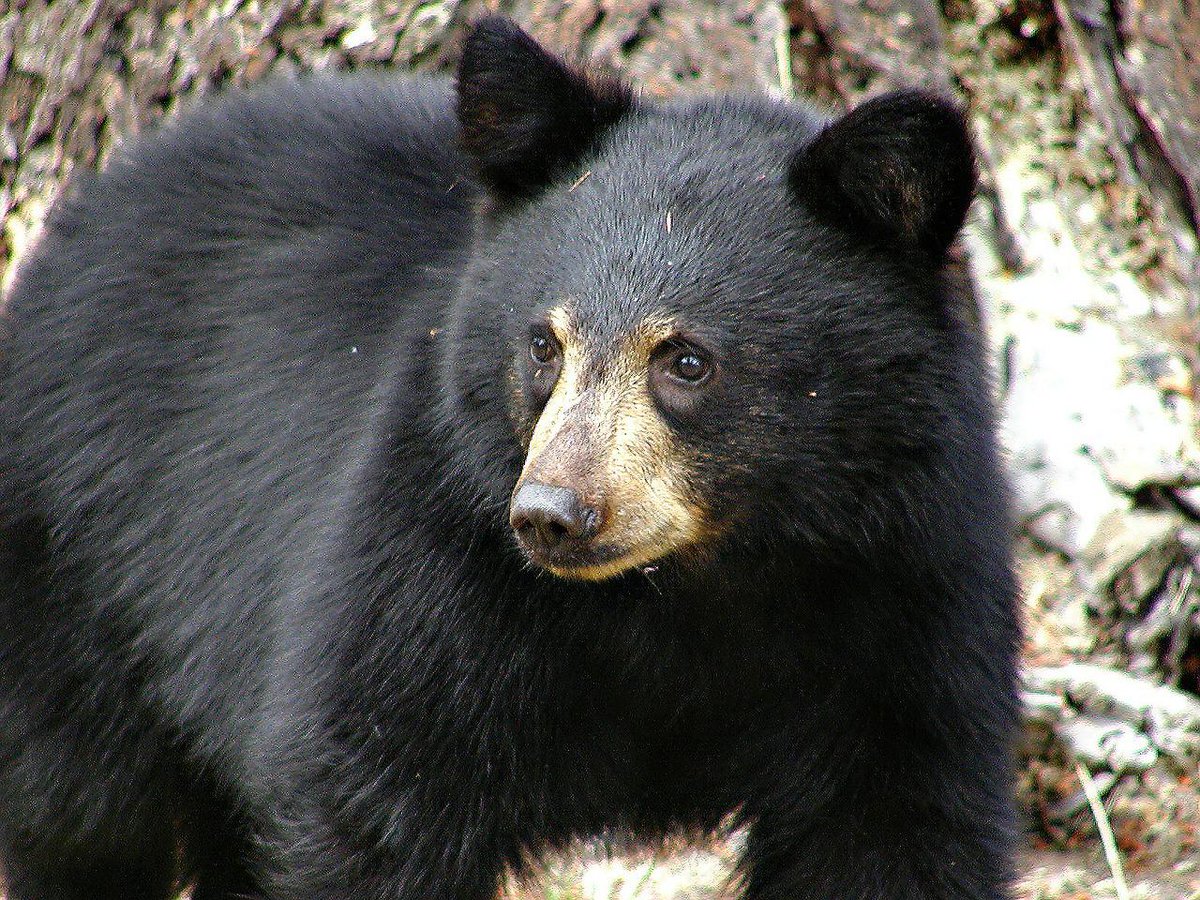
The Louisiana Black Bear
Before the alligator gained its current status as a cultural icon, the Louisiana black bear was a central focus of state pride. This subspecies is native to the forested regions and has been the subject of intensive recovery efforts. As a symbol of the state’s wilderness areas, it represents the ongoing effort to preserve the natural corridors that connect the Mississippi River delta to the mainland.
The Catahoula Leopard Dog
No discussion of Louisiana wildlife would be complete without mentioning the Catahoula Leopard Dog. Designated as the official state dog, this breed is as rugged and hardworking as the people of the state. Developed in the Catahoula Parish, these dogs were historically used for herding cattle and hunting in the deep woods. They remain a beloved companion for families across the state and a point of extreme pride for locals who appreciate the breed’s intelligence and loyalty.
Engaging with Nature: Where to See Local Fauna

For those traveling to Louisiana, seeing these animals in the wild is a highlight of any trip. The state is home to numerous refuges and parks that offer immersive experiences in the heart of the bayou.
Ecotourism in the Swamplands
Traveling through the Jean Lafitte National Historical Park and Preserve provides one of the most accessible ways to see the American Alligator. Guided boat tours allow visitors to drift silently through cypress-lined waters, offering a front-row seat to the daily lives of birds, turtles, and alligators. For those seeking a more curated experience, many private tour operators near Baton Rouge provide educational insights into the delicate balance of the marsh ecosystem.
Wildlife Refuges and Coastal Protection
The Sabine National Wildlife Refuge offers an expansive look at the coastal environments that support the state’s diverse animal populations. Whether you are a bird watcher or a photographer hoping to capture the perfect shot of an alligator basking in the sun, these protected lands serve as a critical infrastructure for both animal health and public education.
Cultural Significance of Wildlife in Louisiana
In Louisiana, the connection between the human population and the animal kingdom is more than just biological; it is cultural. The alligator, in particular, has become a culinary staple. Cajun and Creole cuisines have long featured alligator tail as a delicacy, often served fried, blackened, or in a rich, spicy gumbo.
Culinary Traditions
Dining on alligator is a rite of passage for many tourists visiting the French Quarter in New Orleans. This practice highlights the unique resourcefulness of Louisiana culture, where the natural world is respected, utilized, and celebrated. It is a direct link between the environment and the table, bridging the gap between wildlife conservation and the famous culinary heritage of the Deep South.
Folklore and Art
Beyond the plate, the alligator features prominently in local folklore. From stories told on front porches in Lafayette to the artistic motifs found in galleries, the imagery of the alligator represents the mystery and the untamed beauty of the wetlands. It reminds travelers that Louisiana is a place where nature is always just outside the doorstep.
Planning Your Wildlife Experience
If you are planning a trip to Louisiana, consider these tips to make the most of your encounter with the state’s incredible animal life:
- Timing is Key: The best time to see alligators is during the warmer months, roughly from March through October. During the winter, they tend to remain submerged to conserve heat.
- Respect the Habitat: When visiting places like the Honey Island Swamp, always remain with your guide. These areas are vast and the wildlife is wild; observing from a distance is the safest and most rewarding way to experience the scenery.
- Support Conservation: Look for tour operators who emphasize “Leave No Trace” principles and contribute to local conservation efforts. Supporting these businesses helps ensure that future generations can enjoy the beauty of the Gulf Coast.
- Beyond the Gators: While the alligator is the star, keep an eye out for herons, egrets, nutrias, and the occasional bobcat. The sheer variety of species in the bayous is what truly makes a trip to this part of the United States memorable.
By understanding the role of the American Alligator and the broader biological treasures of the state, travelers gain a much richer appreciation for Louisiana. Whether you are exploring the urban charm of New Orleans or venturing into the mysterious depths of the Atchafalaya Basin, the state’s connection to its animal inhabitants is a defining feature of the local experience. It is a land defined by its water, its wildlife, and the enduring resilience of the creatures that call this unique landscape home.
LifeOutOfTheBox is a participant in the Amazon Services LLC Associates Program, an affiliate advertising program designed to provide a means for sites to earn advertising fees by advertising and linking to Amazon.com. Amazon, the Amazon logo, AmazonSupply, and the AmazonSupply logo are trademarks of Amazon.com, Inc. or its affiliates. As an Amazon Associate we earn affiliate commissions from qualifying purchases.