
For outdoor enthusiasts and those seeking a profound connection with the rugged landscapes of the Northeast, Maine represents the pinnacle of North American wilderness experiences. Hunting here is not merely a recreational activity; it is a deep-rooted cultural tradition, an essential component of wildlife management, and a way of life that dictates the rhythm of the changing seasons. Understanding when hunting season occurs requires navigating a complex tapestry of state-regulated dates, species-specific mandates, and geographical zones that define the New England sporting calendar.
Navigating the Seasonal Sporting Calendar
The Department of Inland Fisheries and Wildlife sets rigorous schedules to ensure the health of animal populations across the vast forests and coastal regions of the state. Because Maine encompasses such a diverse range of terrain—from the mountainous interior near the White Mountains to the expansive woodlands near Baxter State Park—regulations are often tailored to specific Wildlife Management Districts.
Early Fall Transitions
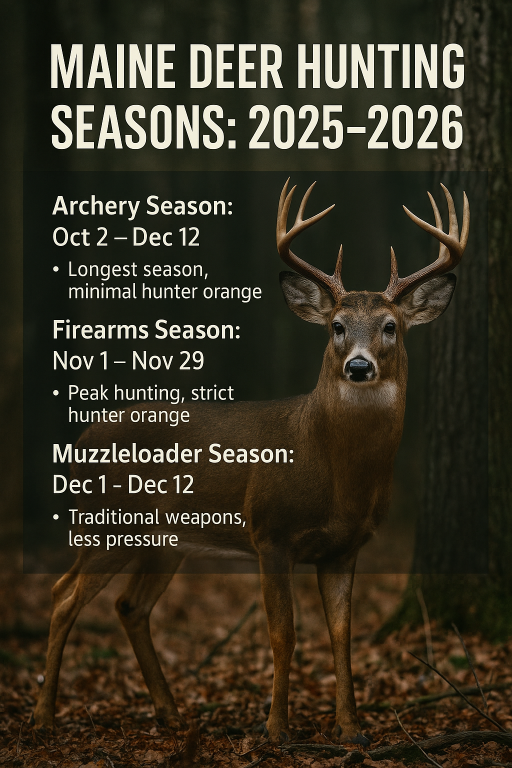
As the vibrant foliage begins to turn, marking the onset of autumn, the earliest hunting opportunities emerge. Youth hunting days often precede the general season, providing a critical window for younger generations to learn ethical practices under the guidance of mentors. This period is carefully timed to align with biological indicators, ensuring that the harvest is sustainable and that local populations of grouse and waterfowl remain robust.
The Peak of the Season
As temperatures drop and the frost settles over the northern reaches of Aroostook County, the state experiences the height of its hunting activity. Deer season is undoubtedly the most anticipated period for the majority of sportsmen. The structure of these dates—usually divided into archery, firearm, and muzzleloader seasons—allows for a tiered approach that minimizes pressure on the landscape while providing ample opportunity for hunters to participate in this time-honored tradition.
Wildlife Management and Ethical Considerations
Hunting in Maine is managed with a scientific rigor that prioritizes conservation above all else. By adhering to designated seasons, hunters act as essential stewards of the wilderness. This relationship between the sportsman and the land is vital for maintaining the balance of species within regions such as the Allagash Wilderness Waterway.
The Role of Conservation
Conservation efforts are funded largely through the purchase of licenses and equipment taxes, which directly support habitat restoration and research initiatives. When visitors head to locations like Moosehead Lake, they are participating in a system where sustainable harvest practices prevent overpopulation and disease, thereby keeping the ecosystem resilient.
Ethical Conduct in the Field
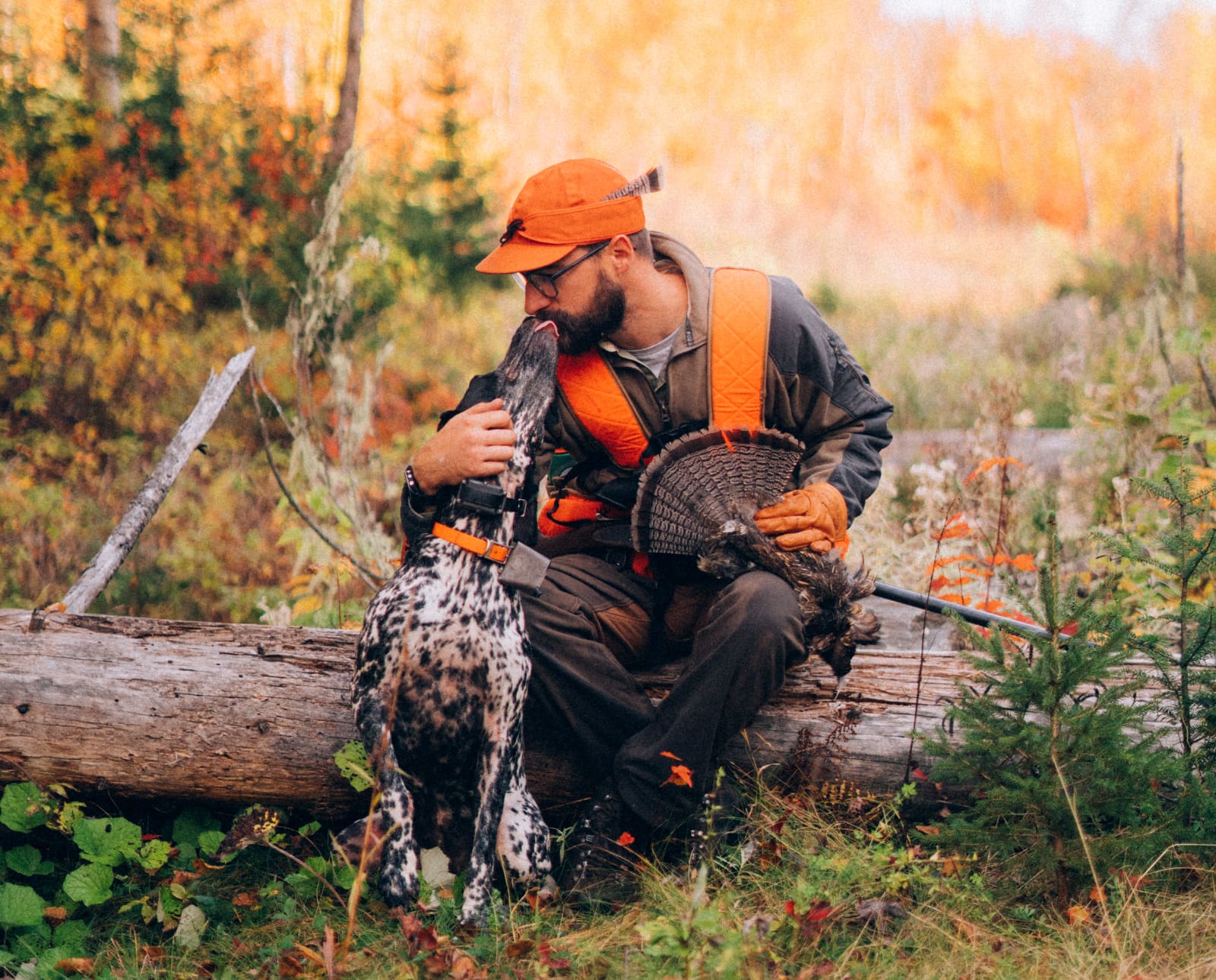
Beyond the dates on the calendar, the code of conduct is paramount. Respect for private land—an abundant commodity in Maine—is essential. Many landowners allow access to their properties, provided hunters exhibit the highest standards of safety, ethics, and land stewardship. This voluntary access, often referred to as “permission-based access,” is a hallmark of the state’s sporting culture and relies entirely on the integrity of the hunting community.
Regional Variations and Wildlife Habitats
Geography dictates behavior in the woods. The dense, deep forests of the interior offer a vastly different hunting experience compared to the coastal regions near Acadia National Park. Understanding the topography of your target zone is as important as knowing the start date of the season.
The Northern Highlands
In the northern reaches, the vast boreal forests provide a sanctuary for larger game. The season here often starts earlier due to the rapid onset of winter weather. Hunters venturing into the remote regions near Mount Katahdin must be prepared for unpredictable elements, where the hunt becomes a true test of endurance and navigational skill.
The Coastal and Central Regions
Closer to population hubs like Portland or the scenic Penobscot Bay, hunting seasons are often longer and more focused on population control. The fragmented nature of the landscape here requires a different set of strategies, as hunting success relies more on scouting smaller woodlots and agricultural edges. Whether you are hunting near the historical shores of Casco Bay or the rolling hills of central Maine, the diversity of the terrain ensures that no two trips are ever identical.
Essential Preparation for the Modern Hunter
Success in the field is rarely a matter of luck; it is a culmination of preparation, knowledge, and adherence to state law. Before planning any excursion, hunters should consult the official state digest, which provides the most granular details on tag requirements, weapon restrictions, and zone-specific maps.
Equipment and Legal Compliance
From ensuring your orange safety gear meets current visibility standards to double-checking that your specific firearm or bow meets the legal requirements for the targeted species, compliance is the baseline of the experience. It is recommended that hunters familiarize themselves with the electronic registration system, which simplifies the process of checking in game.
Logistics and Planning
For those traveling from out of state, logistics play a significant role. Choosing a base of operations near major gateways like Bangor allows for easier access to both supply chains and remote trailheads. While the wilderness is vast, having a clear plan—including lodging, fuel, and processing facilities—is crucial for a successful trip. The hunting culture in Maine is deeply interconnected with its small-town charm, and local outfitters often serve as the best source of real-time information regarding migration patterns and local activity.
A Lasting Connection to the Land
As the season wanes and the deep snows of mid-winter begin to blanket the state, the hunting season serves as a bookend to the year’s cycle. The experience of walking through the quiet forests of Oxford County or listening to the stillness of a morning in Washington County offers a perspective that few other activities can provide. It is a time for reflection, a time to disconnect from the digital world, and a time to engage directly with the cycle of nature that defines this corner of the United States.
By respecting the regulations set forth by state officials and maintaining the long-standing tradition of ethical hunting, sportsmen ensure that the beauty of Maine remains intact for future generations. Whether you are a local or a visitor, the experience of being in the woods during the fall is an integral part of the state’s identity, inviting you to become a part of a legacy that has been honored for generations. Remember to always prioritize safety, respect the land, and honor the wildlife that makes these wilderness adventures possible.
LifeOutOfTheBox is a participant in the Amazon Services LLC Associates Program, an affiliate advertising program designed to provide a means for sites to earn advertising fees by advertising and linking to Amazon.com. Amazon, the Amazon logo, AmazonSupply, and the AmazonSupply logo are trademarks of Amazon.com, Inc. or its affiliates. As an Amazon Associate we earn affiliate commissions from qualifying purchases.