
The state of Maine is synonymous with the iconic North American moose. These gentle giants, often called the “ghosts of the north woods,” draw thousands of visitors annually who hope to catch a glimpse of them wading through wetlands or grazing along forest corridors. With a population estimated at over 60,000, Maine holds one of the highest densities of moose in the lower forty-eight states. However, spotting these elusive creatures requires more than just luck; it demands knowledge of their habitat, preferred feeding times, and the specific geographic regions where they thrive.
Prime Moose Habitats Across the Pine Tree State
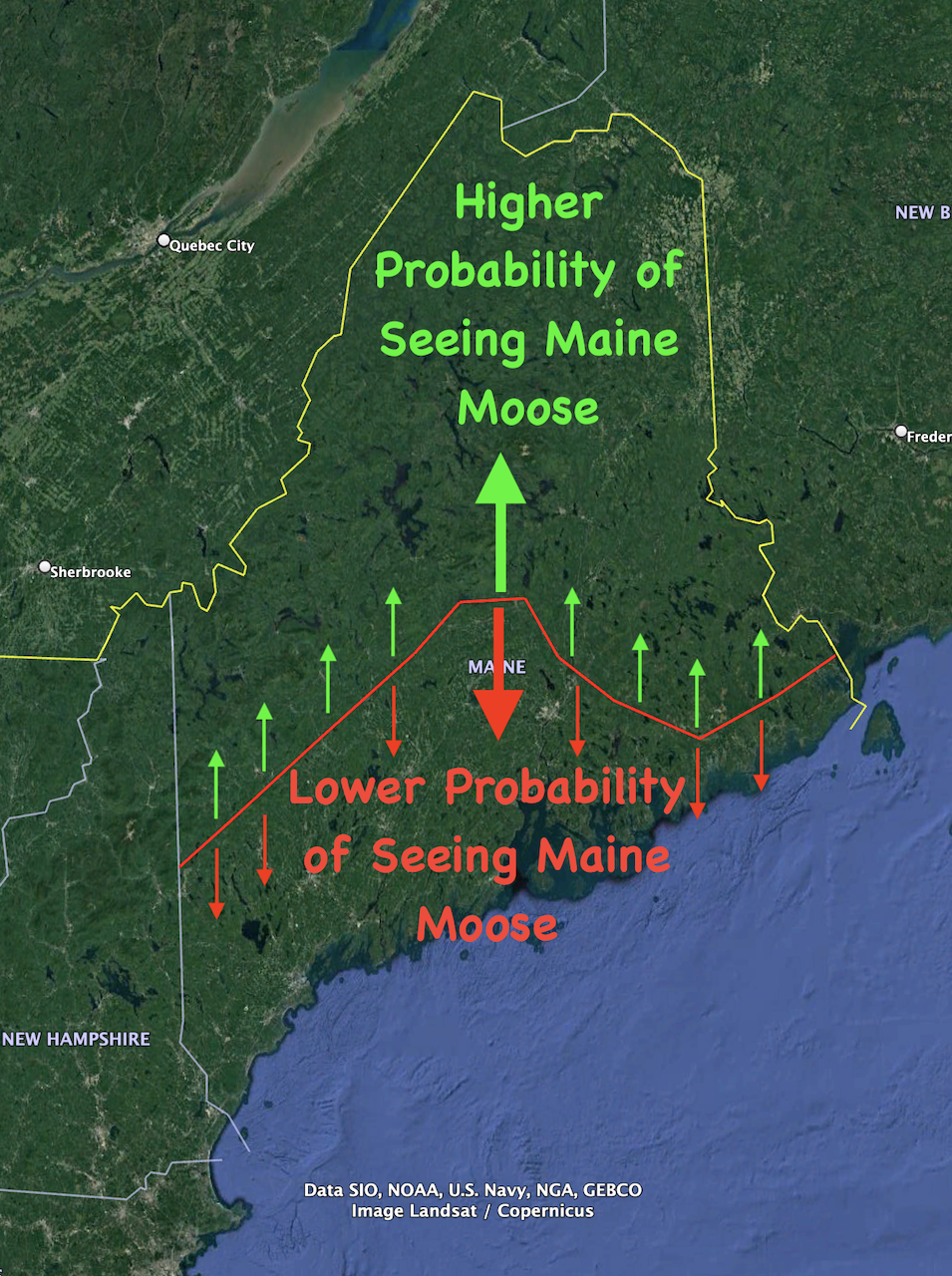
While moose are distributed throughout much of the state, their population is not uniform. The dense, cool forests of the north and west provide the ideal environment for these large cervids, which struggle to regulate their body temperature in warmer climates.
The Great North Woods
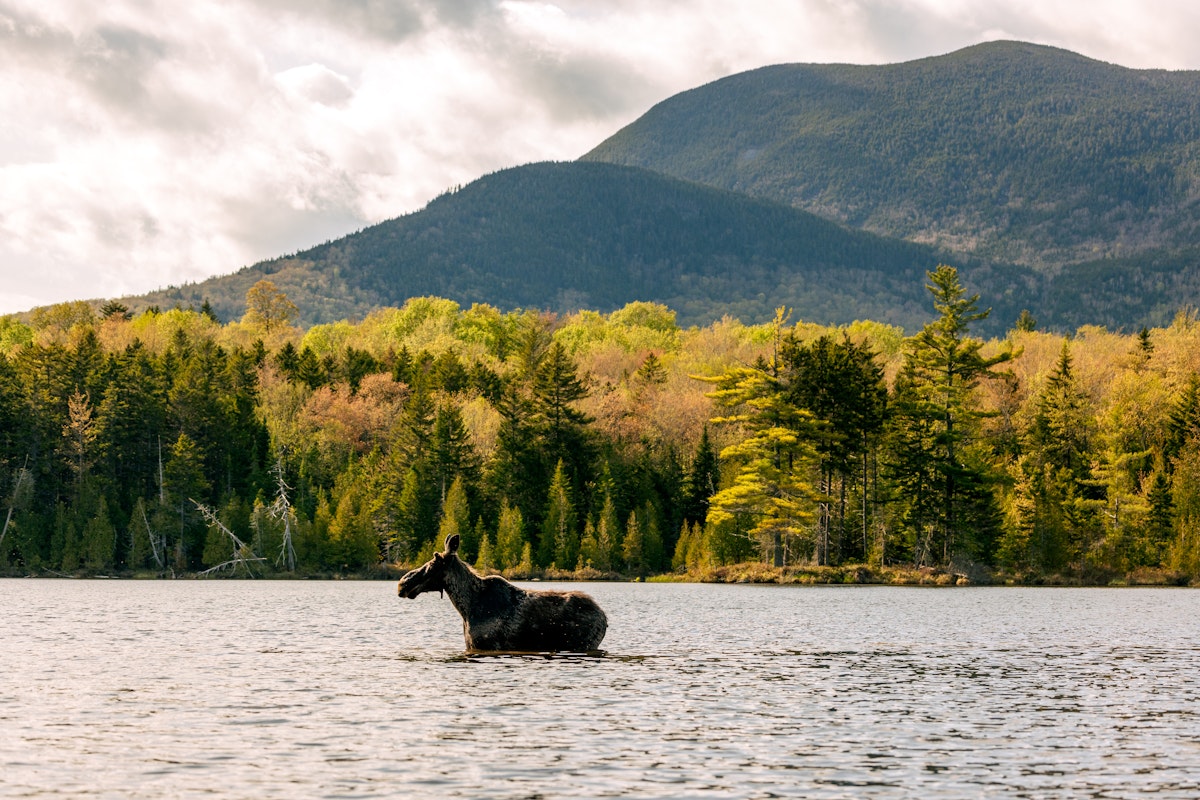
The northernmost reaches of Maine, particularly areas surrounding Allagash and the St. John River, are often considered the heart of moose country. The terrain here is dominated by vast tracts of spruce and fir forests interspersed with bogs and kettle ponds. Because this region sees less human traffic than the coastal areas, the moose tend to be more active during daylight hours. Travelers venturing into this remote wilderness often find success along the logging roads managed by private timber companies, though these require careful navigation and respect for active hauling operations.
The Moosehead Lake Region
Perhaps the most famous destination for enthusiasts is the Moosehead Lake region. As the largest lake in the state, it serves as a central hub for wildlife viewing. The surrounding town of Greenville acts as a gateway to the deep woods. The wetlands bordering the lake provide a rich source of aquatic vegetation—such as pondweed and water lilies—which moose consume in massive quantities to replenish their sodium levels during the summer months. Guided boat tours are a popular way to explore these coves, offering a perspective on the landscape that is impossible to replicate from the shore.
Western Mountains and Rangeley
The western part of the state, centered around Rangeley, offers a rugged, mountainous backdrop for wildlife spotting. The elevation here stays cooler, which moose prefer. The scenic corridors near Saddleback Mountain and the winding roads around Mooselookmeguntic Lake are hotspots for sightings. In the early autumn, the landscape transforms with fall foliage, creating a visually stunning environment that coincides with the peak of the moose rutting season.
Seasonal Behavior and Timing Your Visit
Understanding the biological rhythms of the moose is critical to a successful trip. These animals are most active during specific times of the year and times of the day, and failure to account for these patterns often results in empty notebooks and missed photo opportunities.
The Best Time of Day
Moose are crepuscular, meaning they are most active during the low-light hours of dawn and dusk. The mid-day sun often forces them into the dense shade of the forest, making them nearly invisible to the casual observer. If you are serious about spotting them, plan your excursions for the two hours after sunrise and the two hours before sunset. During these times, moose frequently emerge from the tree line to graze in open clearings or drink from roadside salt licks.
Seasonal Migrations and Breeding
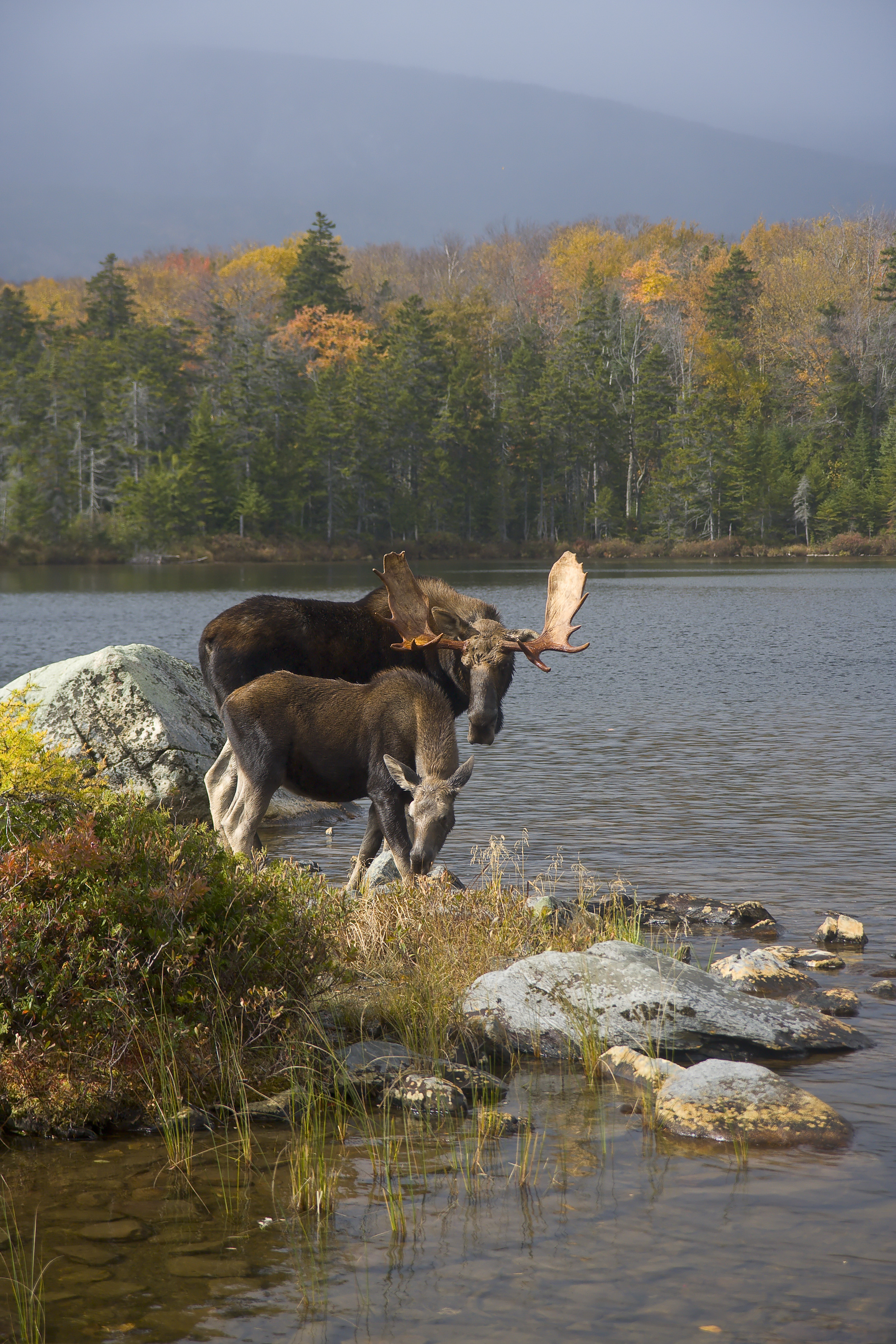
Spring is an excellent time to witness mothers with their newborn calves. As the snow melts, the moose migrate toward lower elevations where the first green shoots of spring appear. By summer, they are almost exclusively found in or near water, as the aquatic plants provide essential minerals. The most dramatic time to visit, however, is the autumn rut—typically late September through mid-October. During this time, bulls are highly active, searching for mates and asserting dominance. The landscape is vibrant with color, but visitors must exercise extreme caution, as the animals are less wary of humans and significantly more aggressive than during other seasons.
Essential Tips for Safe and Ethical Wildlife Viewing
Watching a thousand-pound animal in its natural environment is a privilege that comes with significant responsibility. Maine is wild territory, and the safety of both the wildlife and the observer must be the top priority.
Staying at a Safe Distance
It is common for travelers to see moose while driving. If you spot one, never exit your vehicle unless you are in a designated, safe viewing area. Moose are not domestic animals; they are wild, powerful creatures that can move with surprising speed. A distance of at least 50 feet is recommended for photographers, though keeping even further back is safer for both parties. Never feed a moose, as this habituates them to human presence and often leads to the animal being euthanized for safety reasons.
Navigating Maine’s Roadways
Collisions between vehicles and moose are a serious concern in Maine. A moose’s dark fur and height make them difficult to see at night, as they often stand above the reach of standard headlights. When driving in regions like Aroostook County or near Baxter State Park, adhere to the following safety protocols:
- Slow Down: Reduce your speed, especially after sunset.
- Scan the Shoulders: Don’t just watch the road; keep your eyes trained on the ditch lines and forest edges.
- Use High Beams: Where traffic permits, utilize high beams to spot the reflection of the moose’s eyes in the darkness.
- Respect Road Closures: Many logging roads are private property. Ensure you have the right to travel on them before venturing deep into the woods.
Gear for the Enthusiastic Observer
To maximize your chances, bring along high-quality binoculars and a camera with a telephoto lens. Since you will likely be spending time in the wetlands or on the water, consider wearing insect repellent—the black flies and mosquitoes in the Maine wilderness can be relentless during the summer months. Wearing neutral-colored clothing will help you blend into the surroundings, reducing the chance that you will spook the animal before it is within viewing distance.
Ultimately, finding a moose in Maine is about embracing the rhythm of the wilderness. It is an exercise in patience and an appreciation for one of the most magnificent creatures on the planet. Whether you are exploring the trails near Mount Katahdin or cruising the waters near Millinocket, the journey itself is a deep immersion into the rugged, untamed spirit of the northeastern United States. By respecting their space and choosing the right time to visit, you increase your chances of witnessing a moment of quiet majesty that few other places on earth can provide.
LifeOutOfTheBox is a participant in the Amazon Services LLC Associates Program, an affiliate advertising program designed to provide a means for sites to earn advertising fees by advertising and linking to Amazon.com. Amazon, the Amazon logo, AmazonSupply, and the AmazonSupply logo are trademarks of Amazon.com, Inc. or its affiliates. As an Amazon Associate we earn affiliate commissions from qualifying purchases.