
The iconic sound of New York City is more than just a way of speaking; it is a linguistic tapestry woven from layers of history, migration, and cultural fusion. When travelers arrive in the United States, they are often greeted by a symphony of inflections that vary from the sharp, clipped tones of Manhattan to the melodic, rhythmic cadence found in Brooklyn. Learning to understand, and perhaps emulate, the nuances of this local culture is an essential part of immersing oneself in the rhythm of the city.
The Linguistic Foundations of the Big Apple
To master the New York accent—or at least to understand its mechanics—you must first recognize that there is no singular “New York” way of speaking. Instead, the dialect is a complex evolution heavily influenced by the waves of immigrants who arrived at Ellis Island over the past two centuries.

The Non-Rhotic Distinction
The most recognizable feature of the traditional New York dialect is its non-rhotic nature. In linguistic terms, this means that the speaker does not pronounce the “r” sound at the end of a syllable or before a consonant. For example, “water” often sounds like “watah,” and “park” might be articulated as “pawk.” This characteristic stems from the influence of 19th-century British English, combined with the linguistic patterns of Irish and Italian immigrants. When you are walking through Central Park, listen closely to the locals; you will hear how the “r” is often dropped or softened into a gentle vowel glide.
Vowel Shifts and Shortened Sounds
Another pillar of the accent is the specific way vowels are shaped. In New York, vowels are often longer and more tense than in General American English. The “a” in words like “cat” or “bad” becomes higher and more nasal, sometimes drifting toward an “e” sound. Conversely, the “o” sound in “coffee” or “dog” is often rounded, producing a deep, resonant tone. Mastering these vowel placements is arguably more important than the omission of consonants when trying to sound authentic.
Regional Variations Across the Five Boroughs
While people often group the entire city under one umbrella, the accent shifts significantly as you travel across the various boroughs. A resident of Queens will sound noticeably different from someone born and raised in the Bronx or Staten Island.
The Influence of Heritage
The demographic history of each borough informs its unique vocal identity. In areas with high concentrations of Italian-American heritage, you will notice a specific cadence that incorporates expressive, rhythmic hand gestures and melodic sentence endings. In Staten Island, the accent is famously robust, characterized by a heavy influence of the southern New Jersey and Philadelphia vowel patterns.
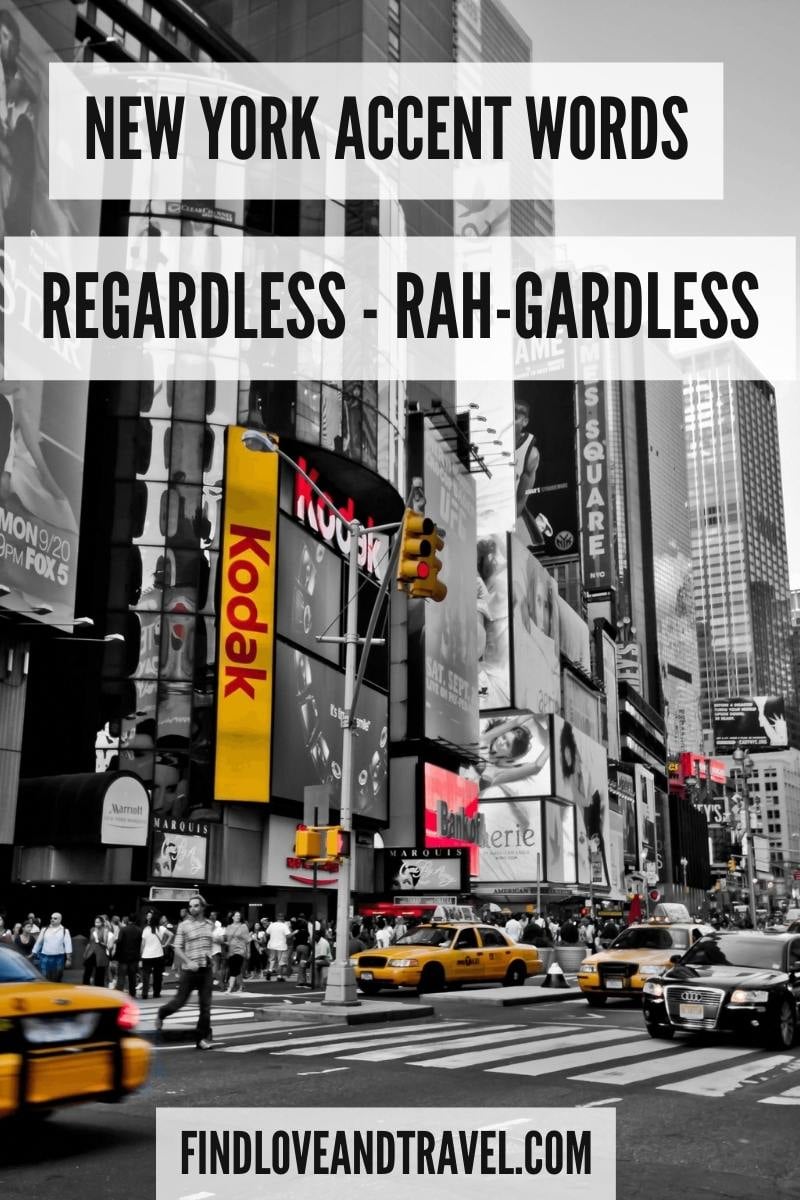
The Evolution of the “Cool” Accent
In modern-day Williamsburg or the Lower East Side, the classic “transatlantic” or “old-school” New York accent is being replaced by a more homogenized, globally influenced dialect. Younger generations, influenced by the internet and a more diverse transient population, tend to flatten their vowels and reintroduce the “r” sounds that their grandparents might have discarded. This “New York Lite” is what you are most likely to hear in a SoHo coffee shop today.
Tips for Embracing the Local Rhythm
If you are a visitor looking to communicate effectively with locals, you do not need to fake an accent. In fact, attempting a heavy caricature can be perceived as disrespectful or condescending. Instead, focus on adopting the cadence and attitude that define the city’s communication style.
Directness as a Cultural Value
New Yorkers value their time and appreciate brevity. Communication here is famously direct, fast-paced, and efficient. If you are asking for directions near Grand Central Terminal, keep your questions concise. Locals don’t use excessive filler words or unnecessary politeness rituals that might be common in the American South or Midwest. Speaking with confidence and getting straight to the point will make you sound much more like a “local” than any attempt at mimicking an accent ever could.
Key Phrases and Vocabulary
There are specific items and phrases that act as cultural markers. Understanding these will help you navigate the city’s unique vernacular:
- “The City”: When locals say this, they almost exclusively mean Manhattan. If you are in Brooklyn and you tell someone you are going to “the city,” they know exactly where you are headed.
- “Bodega”: This is your corner store, essential to the rhythm of life in every neighborhood.
- “The Subway”: Never call it the “Metro” or the “Tube.” It is the subway, and it is the heartbeat of the Metropolitan Transportation Authority.
Beyond the Accent: The True New York Spirit
Ultimately, the New York accent is an expression of grit, resilience, and cultural diversity. It is the sound of millions of people living in close proximity, constantly negotiating space and sharing ideas. Whether you are grabbing a slice of pizza in Little Italy or catching a show near Times Square, pay attention to the way language is used as a tool for connection.
The Role of Immigrant Enclaves
The accent is constantly being refreshed by new arrivals. As you move through the diverse neighborhoods of Jackson Heights, you will hear the New York accent infused with Spanish, Hindi, Korean, and Mandarin influences. This linguistic fluidity is what keeps the city alive. The accent isn’t a static relic of the past; it is a living, breathing entity that changes with every new generation.

Final Thoughts for the Traveler
If you want to sound like you belong in New York City, don’t worry about perfecting the “caw-fee” pronunciation. Focus instead on moving with purpose, standing your ground on the sidewalk, and understanding the unspoken social contracts of the city. By respecting the fast-paced, direct, and vibrant culture of the locals, you will find that you communicate quite well indeed. The accent is just the garnish; the substance is in the way you inhabit the space, walk the streets, and engage with the bustling energy that makes this metropolis the center of the world. From the quiet residential corners of Upper West Side to the neon-lit streets of Midtown, the city speaks in a thousand different ways—listen closely, and you will eventually find your own rhythm within the chorus.
LifeOutOfTheBox is a participant in the Amazon Services LLC Associates Program, an affiliate advertising program designed to provide a means for sites to earn advertising fees by advertising and linking to Amazon.com. Amazon, the Amazon logo, AmazonSupply, and the AmazonSupply logo are trademarks of Amazon.com, Inc. or its affiliates. As an Amazon Associate we earn affiliate commissions from qualifying purchases.