
The survival story of Donn Fendler, a twelve-year-old boy who spent nine harrowing days lost in the wilderness of Maine, has captivated generations since his 1939 ordeal. When the cinematic adaptation, Lost on a Mountain in Maine, was brought to the screen, capturing the raw, untamed essence of the Appalachian Trail was paramount to the production’s authenticity. While the real-life events occurred within the rugged reaches of Mount Katahdin, the logistical realities of modern filmmaking often dictate a broader geographic scope.
The Geographic Reality of the Production
While the film tells a deeply local story rooted in the identity of the Pine Tree State, the production team faced the challenge of recreating the harsh, shifting landscape of the late 1930s. To capture the vastness and the unforgiving nature of the high-altitude terrain, the filmmakers balanced location shooting in New England with specific regions that could stand in for the dense forests and granite peaks of Baxter State Park.
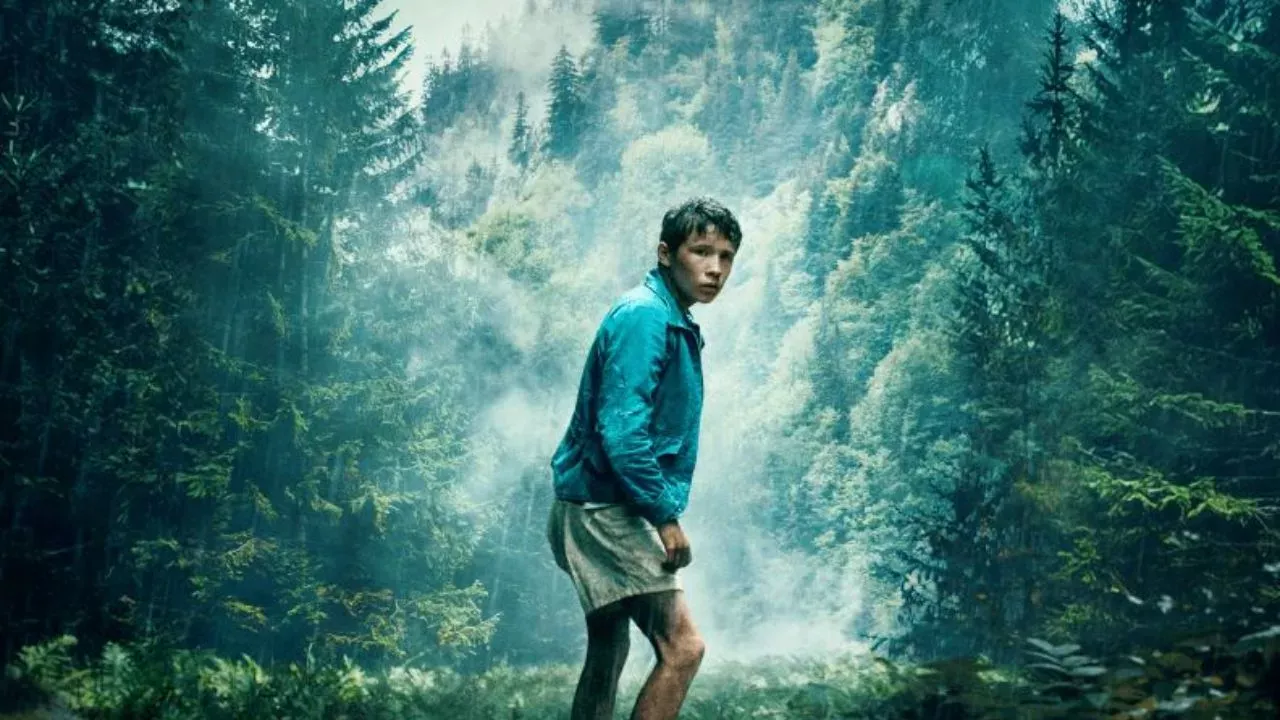
Seeking the True Spirit of the Wilderness
The production sought to replicate the disorientation and isolation that Donn Fendler experienced while separated from his Boy Scout troop. This meant finding locations that offered dense thickets, rocky outcrops, and the moody, unpredictable weather patterns common to Northern Maine. By utilizing both the natural landscapes of the region and strategic exterior locations, the crew was able to maintain a high level of visual fidelity that pays homage to the actual geography where the original search and rescue mission took place.
The Role of New York and the Northeast
Interestingly, much of the production was anchored in New York. Because the landscape of Upstate New York shares much of the same geological history and forest composition as the Appalachian Mountains, it served as an ideal backdrop for many of the film’s survival sequences. The temperate rainforest vibes, the moss-covered boulders, and the challenging verticality found in various parks across this region allowed the cinematography to mirror the treacherous path Donn took as he wandered away from Katahdin Stream Campground.
Recreating the Legend: On-Location Authenticity
Authenticity is the lifeblood of historical dramas, and for a story as revered in American folklore as this one, there was immense pressure to get the terrain right. The vast majority of the filming took place in areas that evoke the same sense of smallness that a child would feel when confronted by the vast, unpopulated wilderness.
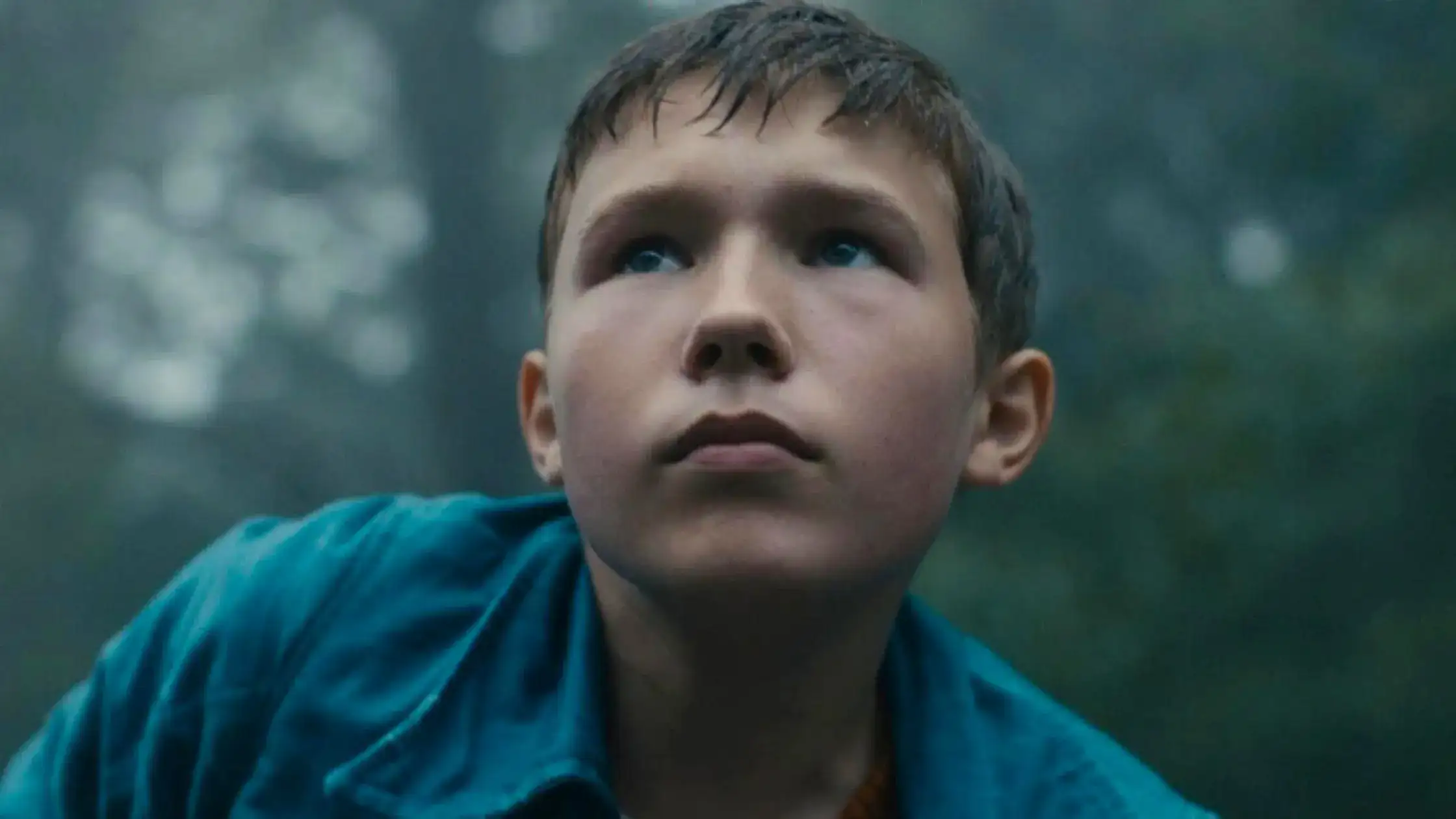
Navigating the Challenges of Nature
Filming in the actual Baxter State Park presents significant logistical hurdles due to its protected status and the rugged, often inaccessible nature of its trail systems. To protect the environment while still capturing the necessary footage, the production team utilized a combination of drone photography, wide shots captured in Maine, and contained sets constructed to look like the wilderness floor. These tactical decisions ensured that the audience felt the weight of the forest pressing in on the protagonist without disrupting the delicate ecosystems of the Appalachian Trail.
Why the Setting Matters
The setting in this story is more than just a background; it is an antagonist. Whether the cameras were rolling in New York or deep in the woods of New England, the objective was to showcase the sensory details of the Maine woods: the cold, damp morning mist, the jagged edges of granite, and the towering canopy of spruce and fir. By blending these locations, the film successfully replicates the journey from Mount Katahdin down through the various valleys and drainages where Donn eventually found his way to safety near the East Branch Penobscot River.
The Legacy of the Landscape in Film
The enduring appeal of the Lost on a Mountain in Maine story is deeply tied to the land itself. For many who visit Maine today, walking the trails near Mount Katahdin is a way to connect with the resilience of the human spirit.
Connecting the Audience to the Destination
The film serves as a virtual travelogue, highlighting the beauty and the latent danger of the Appalachian Mountains. For those inspired by the movie to explore the region, it is essential to remember that the geography remains as unforgiving as it was in 1939. Visitors are often encouraged to visit the Maine State Museum to learn more about the history of the region and the actual events surrounding the search for the lost boy.
Preservation and Appreciation
The production of this film highlights the importance of preserving the natural majesty of New England. By choosing to highlight the raw, unpolished beauty of the terrain rather than relying on heavy digital effects, the filmmakers have inadvertently promoted the majesty of places like Baxter State Park. It reminds viewers that these spaces are not just movie sets, but living, breathing environments that require respect and stewardship.
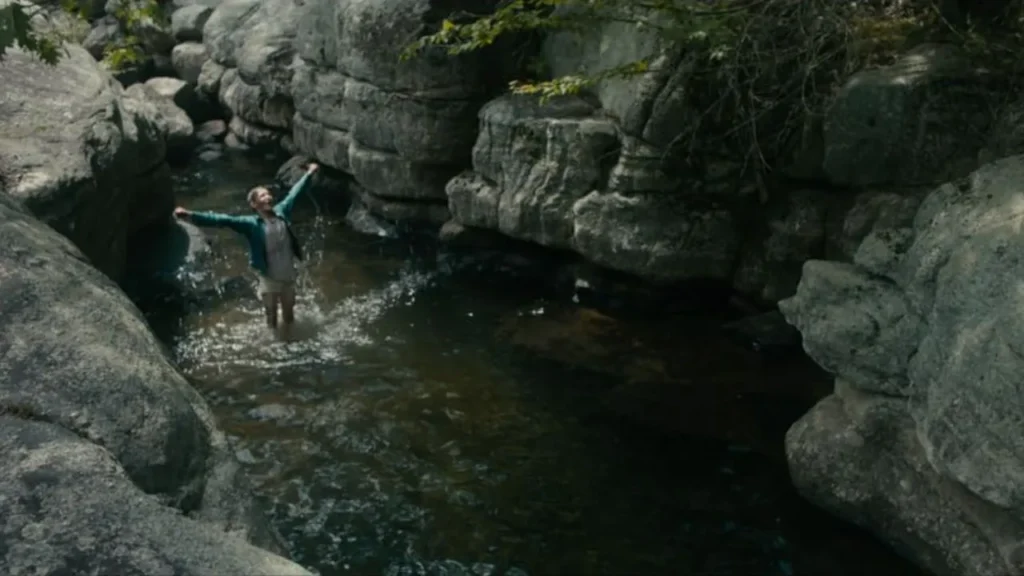
Planning Your Own Wilderness Journey
While you probably do not want to get lost on a mountain, the region offers incredible opportunities for those who enjoy hiking, camping, and connecting with nature. From the Katahdin Stream Campground to the many scenic vistas found throughout Northern Maine, there is much to be gained by experiencing the scale of this landscape in person. Whether you are a fan of the book or the film, the mountains of the United States offer a profound sense of perspective.
By filming in diverse locations that captured the essence of the terrain, the creators of Lost on a Mountain in Maine managed to do justice to an iconic story. They successfully captured the spirit of the Appalachian Trail and the feeling of isolation that defined Donn Fendler’s incredible survival. The resulting film stands as a testament to both the historical weight of the story and the timeless, haunting beauty of the landscapes of Maine. Whether the scenes were captured on the high peaks of Mount Katahdin or the lush woodlands of New York, the final product transports the viewer directly into the heart of one of the most famous survival tales in history.
LifeOutOfTheBox is a participant in the Amazon Services LLC Associates Program, an affiliate advertising program designed to provide a means for sites to earn advertising fees by advertising and linking to Amazon.com. Amazon, the Amazon logo, AmazonSupply, and the AmazonSupply logo are trademarks of Amazon.com, Inc. or its affiliates. As an Amazon Associate we earn affiliate commissions from qualifying purchases.