
When planning a trip to Nevada, travelers often focus on the bright lights of Las Vegas or the rugged beauty of the Sierra Nevada mountains. However, those visiting the Silver State for a prolonged stay or those curious about the local cultural landscape often seek to understand the social and legal nuances that define the region. Among the most frequently queried topics concerning local statutes is the existence of what is colloquially known as a “Romeo and Juliet law.”
Understanding the legal framework of a destination is part of being an informed traveler. While tourists typically interact with laws regarding traffic, gaming, and hospitality, the broader cultural regulations—such as age-of-consent statutes—often spark curiosity. In Nevada, these laws are not merely abstract concepts; they are carefully codified provisions that impact residents and, by extension, the cultural fabric of the state.
Understanding the Legal Context in Nevada
In many jurisdictions across the United States, the term “Romeo and Juliet law” refers to specific statutory provisions that provide an affirmative defense or reduced sentencing for minors who are close in age and engage in consensual sexual activity. The goal of such laws is to prevent the criminalization of adolescent exploration where no exploitation or predatory behavior exists.
Defining the Statute
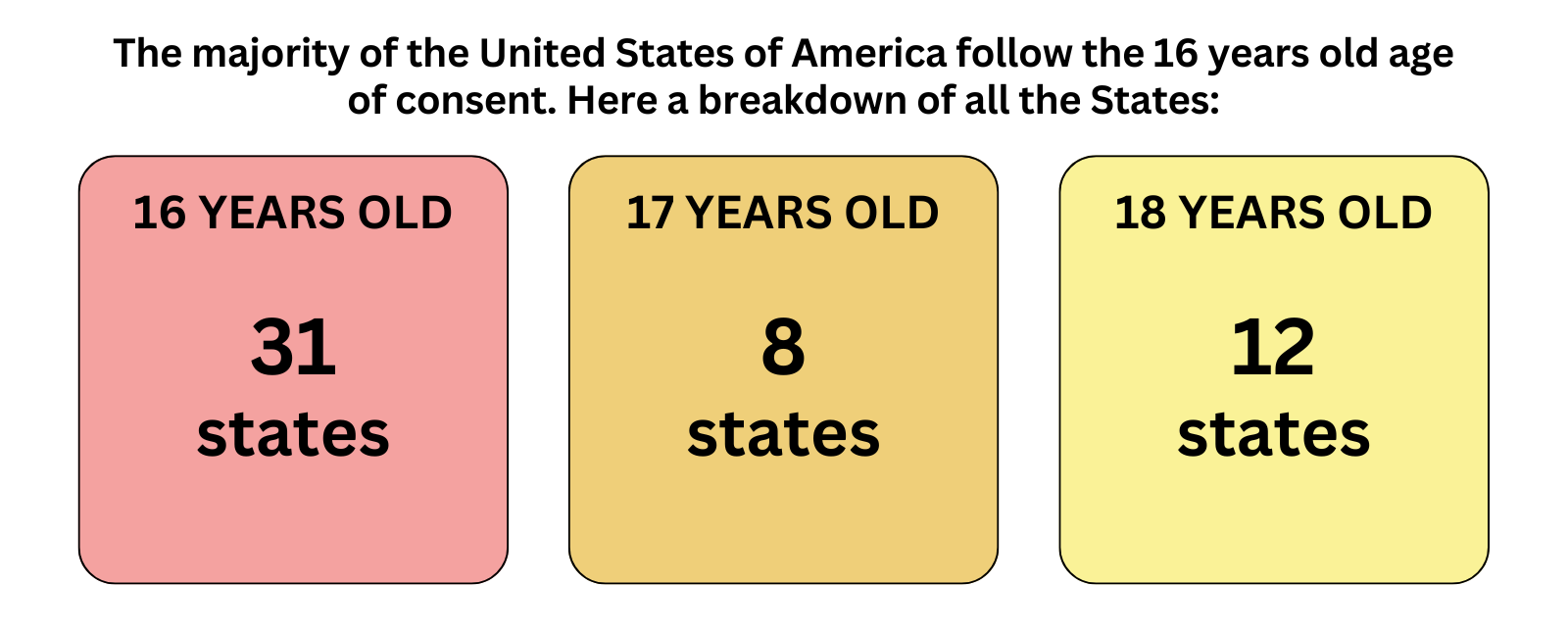
In Nevada, the state law does not use the colloquial title of “Romeo and Juliet law.” Instead, the legal framework is found within the Nevada Revised Statutes, which delineate the age of consent and the exceptions allowed under specific circumstances. The state recognizes a delicate balance between protecting minors from harm and acknowledging the reality of teenage relationships.
The Nuances of Age and Consent
For those studying the cultural evolution of the region, it is essential to distinguish between a general age of consent and the specific carve-outs provided for by Nevada law. The legal system focuses heavily on the age difference between the parties involved. If a significant age gap is present, the law is stringent in its protection of the minor. However, when the participants are close in age, the state’s approach shifts to address the developmental maturity of those involved, ensuring that the legal response is proportional to the nature of the relationship.
Cultural Perspectives and Local Laws
Tourism is more than just visiting the Las Vegas Strip or hiking through the Red Rock Canyon; it is about understanding the environment in which local communities live. The social attitudes toward relationships and legal responsibility in Nevada are reflective of a broader, often libertarian, approach to personal conduct, tempered by strict statutes designed to safeguard vulnerable populations.
The Balance of Responsibility
Nevada residents and local authorities place a high priority on personal agency. This cultural trait often leads to complex discussions regarding where to draw the line between adult discretion and legal protection. Travelers interested in the social landscape will notice that while the state is known for its permissive attitude toward gaming and nightlife in Clark County, the laws regarding youth and interpersonal relationships remain anchored in the standard protections found in the Western United States.

Impact on Residents and Visitors
Whether one is residing in Reno or vacationing near Lake Tahoe, the legal requirements remain uniform. The existence of these laws ensures that regardless of whether one is a permanent resident or a short-term visitor, the expectations for conduct remain consistent. For families traveling with teenagers, being aware of these local standards is simply another facet of ensuring a safe and informed trip.
Practical Considerations for Travelers
When visiting a new region, information is your best asset. While most travelers will never have cause to consult the Nevada Revised Statutes, knowing that the state has established clear, logical parameters for age-of-consent issues is part of what makes Nevada a modern and well-regulated destination.
Why Legal Awareness Matters
Engaging with the local culture means respecting the boundaries set by the community. Nevada prides itself on being a state that is both open-minded and protective of its youth. When locals discuss the existence of a “Romeo and Juliet” type of relief, they are acknowledging a sophisticated legal system that moves away from one-size-fits-all punishment toward a more nuanced, fact-specific analysis of adolescent relationships.
Resources for Further Inquiry
For those interested in a deeper dive into the legal history of the state, many public libraries in cities like Carson City or Henderson provide access to historical documentation on how these statutes have evolved. Understanding the progression of these laws helps paint a fuller picture of the social progress made in the High Desert region over the past several decades.
Summary of Legal Realities
To address the core question directly: while Nevada does not have a statute explicitly branded as a “Romeo and Juliet law” in its public-facing tourism brochures, the legal system contains provisions that function similarly. By providing specific exceptions for consensual relationships between minors of similar age, the state reflects a pragmatic understanding of human development.
The Intersection of Law and Lifestyle
Tourism to Nevada is increasingly about exploring the vast, diverse, and intriguing societal structures of the state. From the bustling streets of Downtown Las Vegas to the quiet, historic corridors of mining towns in Northern Nevada, the state offers a unique blend of history, law, and culture.

Final Thoughts for the Informed Traveler
Whether you are interested in the legal history of North America or you are simply a parent ensuring your children are aware of the standards in a new state, recognizing the intent behind these laws is beneficial. Nevada balances its reputation as an adult playground with a responsible, structured, and carefully considered approach to the safety and rights of its younger citizens.
As you navigate your journey through this fascinating state, remember that every law, regulation, and statute is a reflection of the values held by those who call the high desert home. Taking the time to understand these nuances not only makes you a more culturally competent traveler but also grants you a deeper appreciation for the complex society that exists behind the neon lights of the Las Vegas Valley. The legal landscape, much like the geography of Nevada, is vast, layered, and perpetually evolving to meet the needs of those who live and visit here.
LifeOutOfTheBox is a participant in the Amazon Services LLC Associates Program, an affiliate advertising program designed to provide a means for sites to earn advertising fees by advertising and linking to Amazon.com. Amazon, the Amazon logo, AmazonSupply, and the AmazonSupply logo are trademarks of Amazon.com, Inc. or its affiliates. As an Amazon Associate we earn affiliate commissions from qualifying purchases.