
For many travelers planning a Caribbean cruise or a Florida getaway, the proximity between Fort Lauderdale and the Port of Miami is a critical logistical detail. Situated approximately 30 to 40 miles apart, these two major travel hubs are connected by a well-traveled corridor in South Florida. Understanding the nuances of this journey—which can range from a quick 45-minute drive to a stressful two-hour crawl depending on traffic—is essential for ensuring a seamless start to your vacation.
Understanding the Geographic Proximity and Transit Routes
The journey from the Fort Lauderdale-Hollywood International Airport or the city center of Fort Lauderdale to the Port of Miami primarily utilizes the Interstate 95 highway. This north-south artery serves as the lifeblood of Florida’s coastline, but it is also notorious for heavy congestion during morning and evening rush hours.

Driving Dynamics
If you are planning to rent a car or hire a private shuttle, the distance is manageable, provided you account for the unpredictable nature of Miami traffic. On a clear day, with light traffic, you can expect to reach the cruise terminal in under an hour. However, commuters frequenting the I-95 often face significant delays near Downtown Miami. It is always advisable to build in an extra 60 minutes of “cushion time” to account for accidents or heavy road volume, especially on days when multiple cruise ships are departing.
Public and Private Transit Options
For those who prefer not to drive, there are several reliable ways to bridge the gap between Broward County and Miami-Dade County. Ride-sharing services like Uber and Lyft operate frequently in both regions and offer a convenient door-to-door service. Alternatively, many travelers opt for pre-arranged private shuttle services. These are often the most stress-free options, as professional drivers are accustomed to the specific drop-off protocols required at the various Port of Miami terminals.
Optimal Timing for Your Commute
One of the most common mistakes travelers make is underestimating the time required to travel between Fort Lauderdale and Miami on embarkation day. If your flight lands at the Fort Lauderdale-Hollywood International Airport in the morning, you are in a relatively good position to arrive at the Port of Miami by early afternoon.
Navigating Rush Hour
Avoid planning your transfer during peak hours if at all possible. Between 7:00 AM and 9:30 AM, and again from 4:00 PM to 6:30 PM, the highways connecting these cities become parking lots. If your ship departs at 4:00 PM, aim to be on the road from Fort Lauderdale no later than 11:30 AM to ensure a relaxed check-in process. Arriving early also allows you to enjoy the pre-cruise atmosphere rather than worrying about traffic updates on your phone.
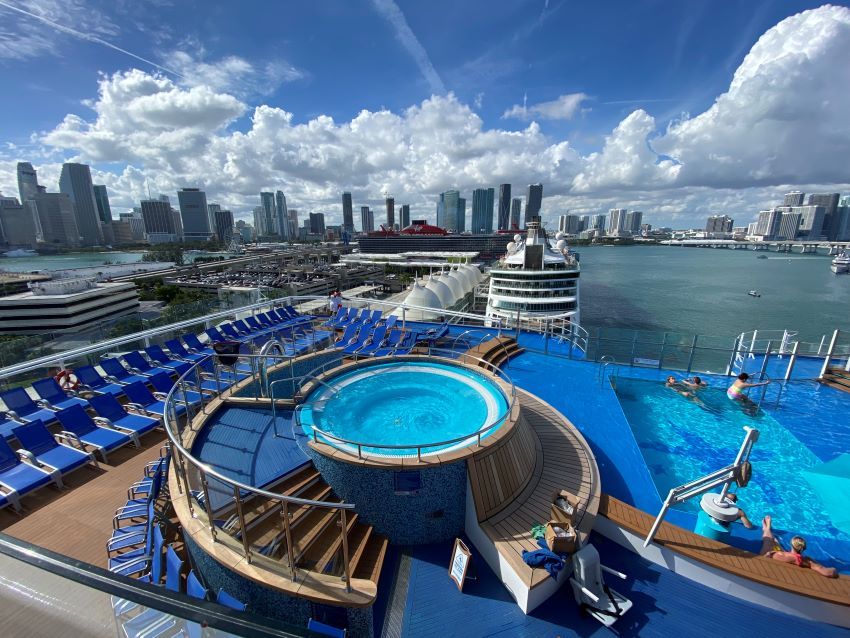
Strategic Planning for Cruise Departures
If you are worried about the travel distance, consider spending the night before your cruise in Miami. Staying in a hotel near Bayside Marketplace or the Brickell neighborhood puts you within a 10-minute drive of the Port of Miami. This strategy effectively removes the “commute stress” from your departure day, allowing you to wake up, have a leisurely breakfast, and head to the terminal refreshed and ready to sail.
Comparing Alternative Travel Methods
Beyond standard driving, there are a few other ways to traverse the distance between these two hubs, though they are often less practical for cruise passengers carrying luggage.
Brightline Rail Service
The Brightline high-speed train has revolutionized travel in Florida. With stations located in both downtown Fort Lauderdale and MiamiCentral, this is an excellent way to bypass highway traffic. However, once you arrive at MiamiCentral, you will still need to take a short Uber or taxi ride to reach the Port of Miami terminals. For travelers with multiple large suitcases, this “last mile” transfer may be cumbersome compared to a direct shuttle.
Bus and Shuttle Services
Various independent shuttle companies provide shared-ride services from Fort Lauderdale to the Port of Miami. While these are generally the most budget-friendly options, they come with the caveat of multiple stops. You may find yourself waiting at other hotels or terminals for fellow passengers to board. If your priority is saving money, this is a viable path, but if your priority is time-efficiency, a private car or ride-share remains the superior choice.
Tips for a Seamless Port Arrival
Once you have successfully navigated the distance, the final step is arriving at the Port of Miami itself. The port is divided into several terminals, each serving specific cruise lines. It is vital to know exactly which terminal your ship is docked at before you depart Fort Lauderdale.
Luggage Management
If you are using a ride-share service, ensure you select a vehicle size that can accommodate your entire party and all pieces of luggage. Fort Lauderdale is a major hub, and it is easy to find XL vehicles that provide ample space. Keep your cruise boarding documents easily accessible on your phone, as security at the Port of Miami will require proof of your boarding time before allowing vehicle access to the terminal drop-off zones.

Final Considerations
The 30-to-40-mile distance between Fort Lauderdale and the Port of Miami is a minor hurdle in the grand scheme of a vacation. By treating this transfer as a planned part of your trip rather than an afterthought, you can avoid the common pitfalls of South Florida traffic. Whether you choose the efficiency of a high-speed train, the comfort of a private car, or the convenience of a pre-cruise hotel stay, preparation is the key to a stress-free transition from the airport to the high seas. Ultimately, once you catch your first glimpse of the cruise ships lining the Port of Miami, any travel fatigue will quickly fade, replaced by the excitement of your upcoming journey. Safe travels as you make your way through this vibrant region of North America.
LifeOutOfTheBox is a participant in the Amazon Services LLC Associates Program, an affiliate advertising program designed to provide a means for sites to earn advertising fees by advertising and linking to Amazon.com. Amazon, the Amazon logo, AmazonSupply, and the AmazonSupply logo are trademarks of Amazon.com, Inc. or its affiliates. As an Amazon Associate we earn affiliate commissions from qualifying purchases.