
For millions of residents and visitors navigating the concrete canyons of New York City, the rhythmic thrum of the subway is the city’s heartbeat. It is the lifeblood that connects the outer boroughs to the glittering energy of Manhattan. Yet, amidst the rush to catch the next train at Grand Central Terminal or Times Square, few commuters pause to consider the technical marvel beneath their feet. Understanding how fast this transit network actually moves involves peeling back layers of history, infrastructure, and modern engineering constraints.
The Reality of Speed Beneath the Streets
When discussing the speed of the subway, it is essential to distinguish between a train’s maximum mechanical capability and its operational reality. On paper, most modern subway cars, such as those found on the IND or IRT lines, are capable of reaching speeds of up to 55 miles per hour. However, the average speed for a passenger traveling across Brooklyn or Queens is significantly lower.
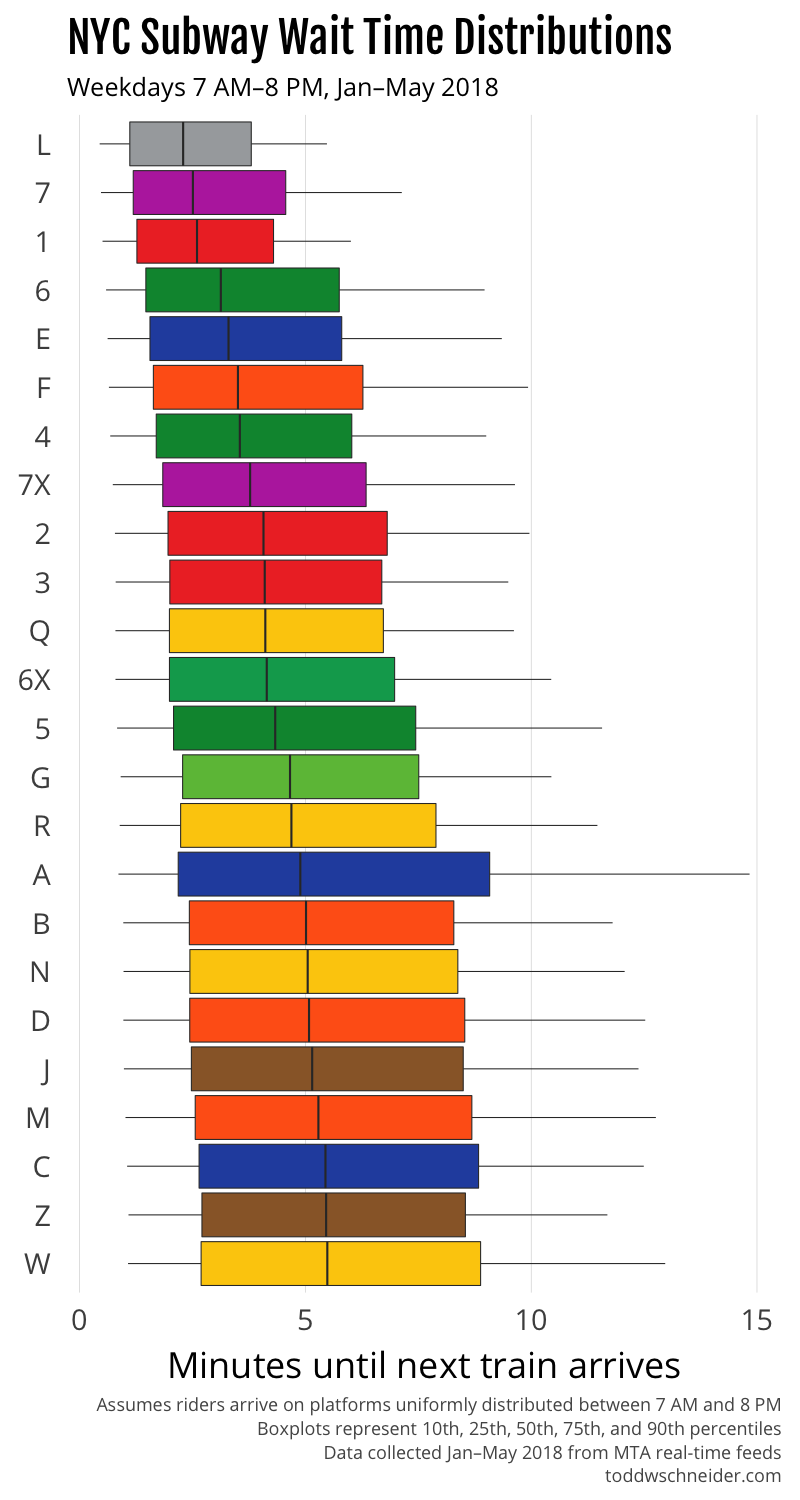
Theoretical Top Speed vs. Average Velocity
While the mechanical limit is impressive, the actual average speed of the subway system hovers between 15 and 20 miles per hour, including station stops. This discrepancy is not a result of faulty equipment, but rather a necessity of urban planning. The system was designed to weave through a densely populated metropolis where stops are frequent—sometimes only a few blocks apart. Consequently, a train spends a substantial portion of its time accelerating away from a platform and decelerating as it approaches the next, leaving very little room for sustained top-speed cruising.
Infrastructure Constraints and Signal Logic
The primary limiting factor on speed is the antiquated signaling system, much of which dates back to the mid-20th century. These fixed-block signals require a generous distance between trains to ensure safety. In contrast, modern Communication-Based Train Control (CBTC) systems allow for “moving blocks,” enabling trains to operate closer together at optimized speeds. As the Metropolitan Transportation Authority continues its aggressive upgrade schedule on lines like the L Train, passengers are beginning to experience smoother, slightly faster transit times.
Engineering the Experience: Factors Influencing Travel Time
Beyond the mechanical limits, the daily experience of a commuter in The Bronx or Staten Island is dictated by a variety of external factors. From the curve of the tunnel tracks to the sheer volume of passenger traffic, the “speed” of the New York City Subway is a dynamic variable.
The Impact of Curvature and Grade
Many segments of the track, particularly those deep under Downtown Manhattan, feature tight curves. Engineers have historically imposed speed restrictions on these sections to ensure passenger comfort and structural longevity. When a train enters a sharp turn, it must throttle back significantly to avoid excessive lateral force. These “slow zones” are documented in internal engineering logs and are strictly enforced by the train operators, who rely on specialized track-side signage to maintain safety.

Congestion and Network Bottlenecks
The New York City Subway is one of the few systems globally that operates 24/7, a feature that creates an immense maintenance burden. Because there are no nightly shutdowns for comprehensive repairs, maintenance crews must work during live traffic. This often leads to speed restrictions in zones where workers are active, forcing trains to crawl through certain tunnels. Furthermore, the convergence of multiple lines at major junctions—like those found under Herald Square—creates a literal bottleneck, where the speed of one train is entirely dependent on the train ahead of it clearing the platform.
Comparing the Pace: Then vs. Now
To appreciate the speed of the current system, it is helpful to look at the historical context of transit in North America. Since its opening in 1904, the subway has undergone numerous evolutions in speed and efficiency.
Early Days of Steam and Electricity
Before the widespread adoption of the high-speed electric third rail, transit in New York relied on elevated steam trains. These were markedly slower and far less comfortable. When the first underground line debuted, it was hailed as a marvel of modern speed, shaving hours off daily commutes between Upper West Side and the financial district. While we might view 20 mph as slow today, in the early 20th century, it represented a revolutionary leap in urban mobility.
Future-Proofing for Faster Transit
The current push to modernize the subway is focused on reliability rather than raw velocity. For the modern commuter, a “fast” train is one that arrives on time and runs without delays. By investing in better rolling stock and digitized signaling, the city is effectively increasing the “commercial speed” of the system. This means fewer unplanned stops, shorter dwelling times at busy stations like Penn Station, and a more predictable travel time that allows the city to keep moving at its iconic, frenetic pace.
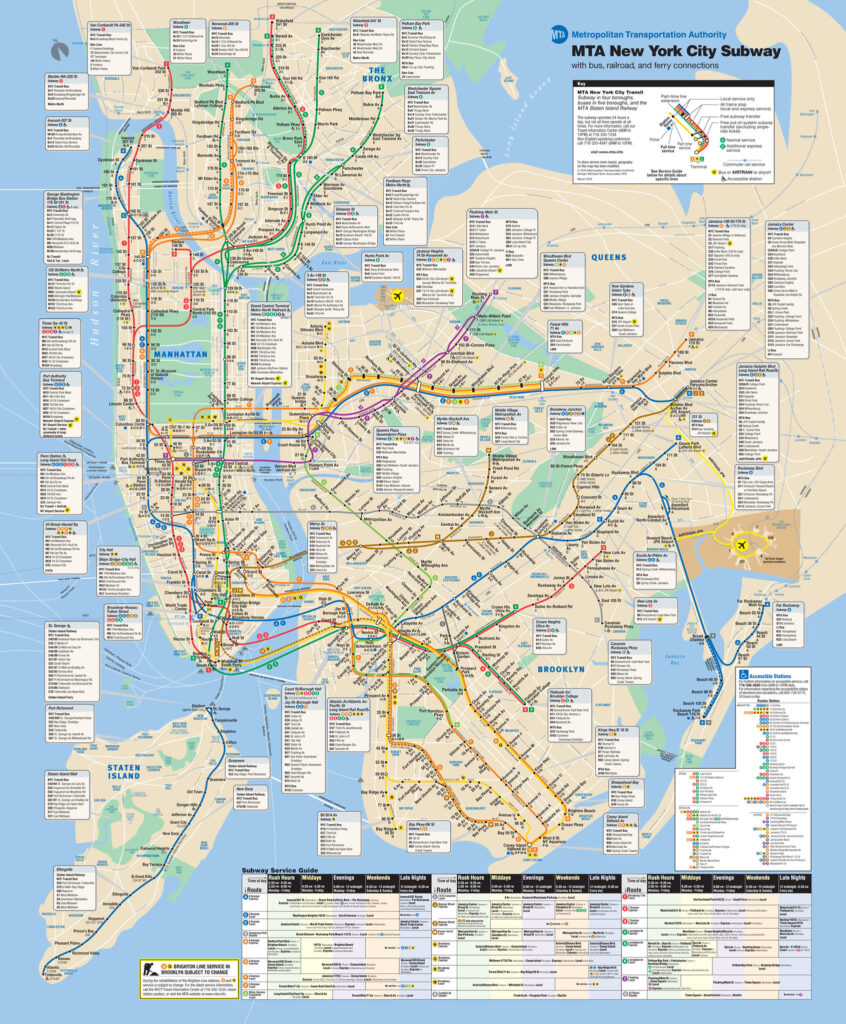
Navigating the Network: Tips for the Efficient Traveler
If you are a tourist visiting landmarks like Central Park or a business traveler heading to Wall Street, understanding how to leverage the subway’s speed is a valuable skill.
- Express vs. Local: Always prioritize express trains when traveling long distances. An express train can skip as many as ten local stations, effectively doubling the average speed of your journey across boroughs.
- Off-Peak Advantage: While the system is consistent, traveling during off-peak hours can lead to faster commutes simply because dwell times at stations are shorter and there is less risk of signal-related congestion.
- Station Selection: Choosing a station served by multiple lines, such as Columbus Circle, offers more flexibility if one line is experiencing a localized delay.
In conclusion, while the New York subway may never be a high-speed rail network, its brilliance lies in its density and ubiquity. It functions as a complex, interconnected machine that keeps the city vibrant and accessible. Whether it is moving at 15 or 55 miles per hour, the true speed of the subway is found in its ability to reliably transport millions of people through the heart of the United States every single day. By understanding the constraints of the tracks and the logistics of the network, travelers can better appreciate the immense engineering effort required to keep the city that never sleeps, running on time.
LifeOutOfTheBox is a participant in the Amazon Services LLC Associates Program, an affiliate advertising program designed to provide a means for sites to earn advertising fees by advertising and linking to Amazon.com. Amazon, the Amazon logo, AmazonSupply, and the AmazonSupply logo are trademarks of Amazon.com, Inc. or its affiliates. As an Amazon Associate we earn affiliate commissions from qualifying purchases.